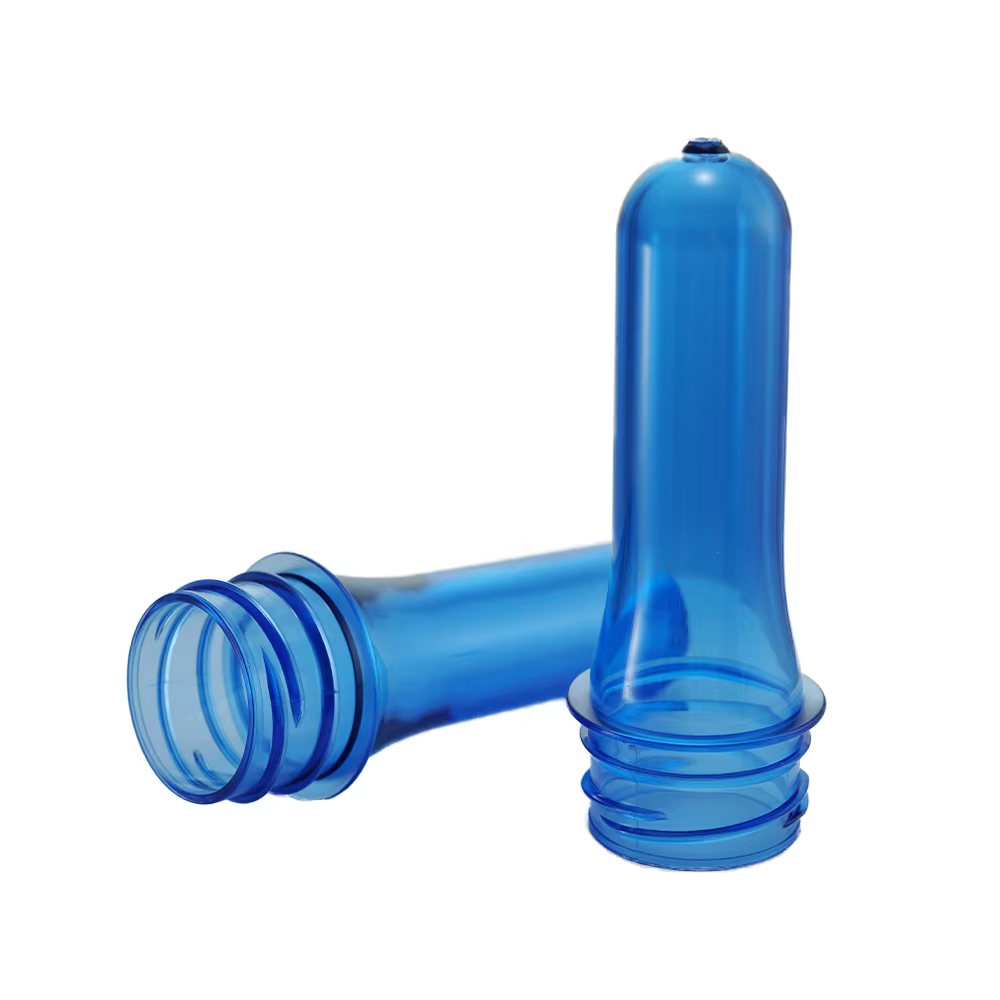
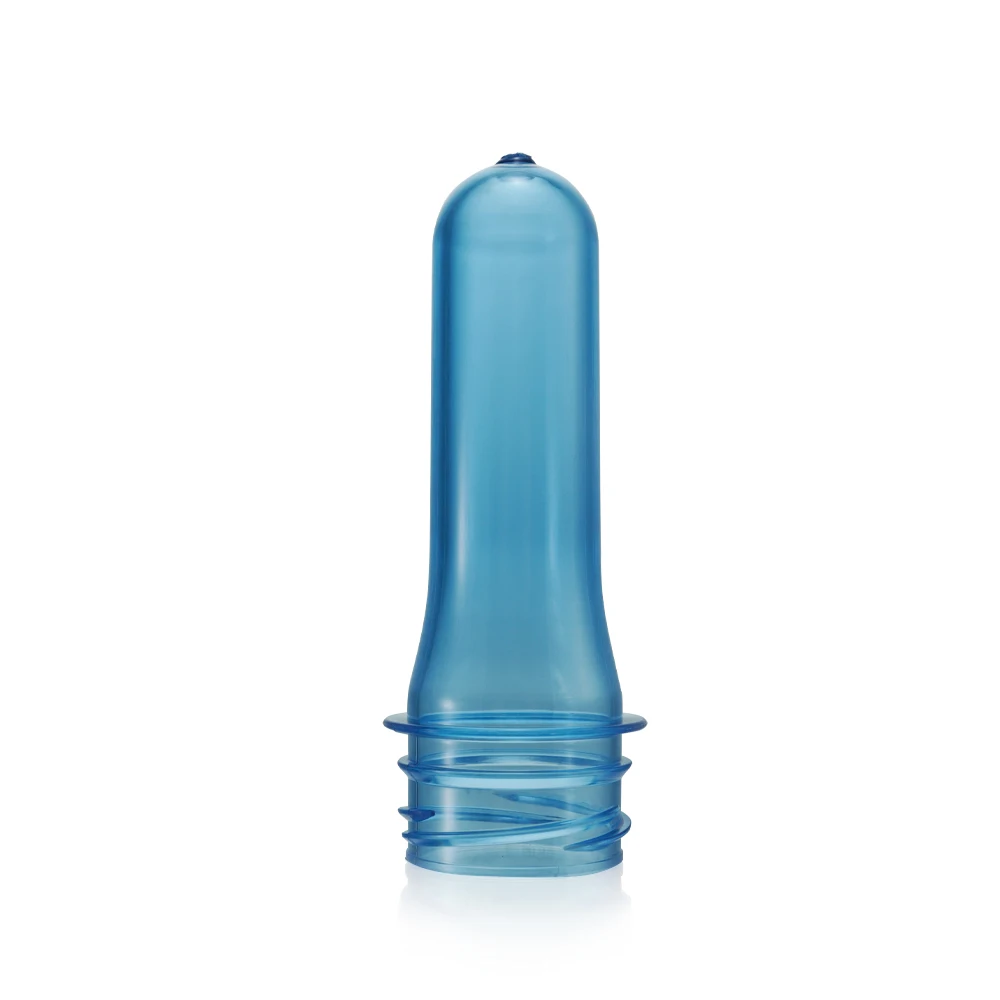
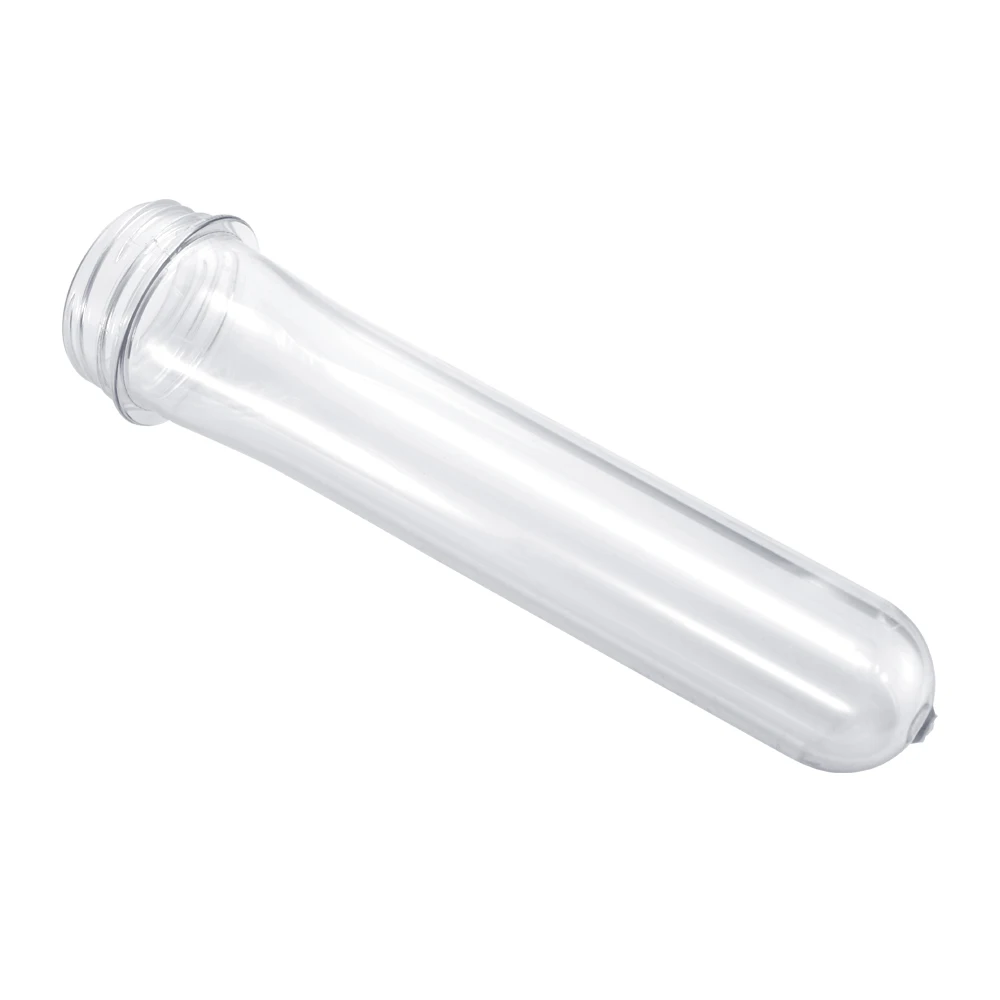
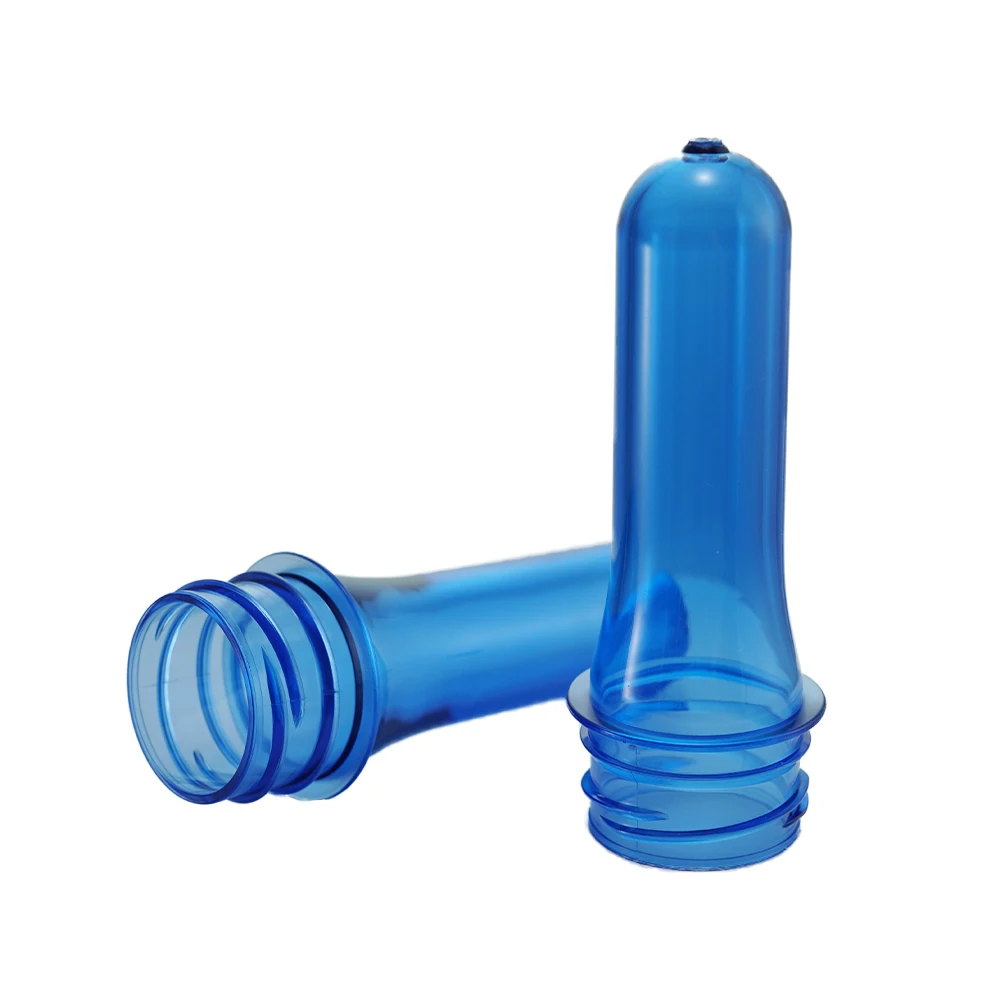
In the packaging industry, exploring “PET preform pricing” extends far beyond seeking a simple figure. It fundamentally involves assessing the foundational costs of your entire packaging operation—the most critical factor determining the profitability, quality, and market success of your bottled products. Therefore, understanding the deeper implications behind pricing is essential for making smarter, more strategic decisions that transcend initial procurement costs.
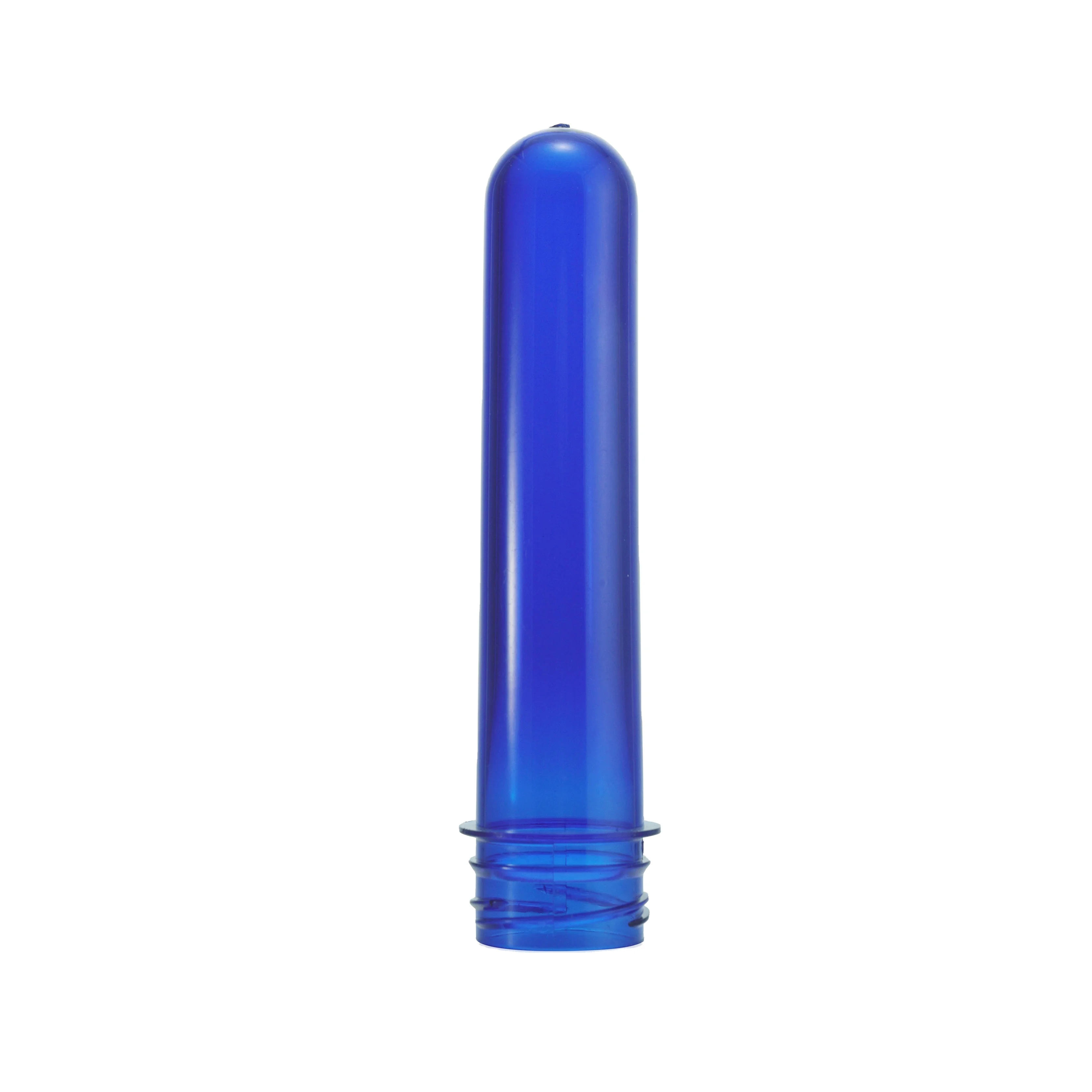
First, selecting the “right” price holds far greater significance than chasing the “lowest” price. The cost of PET preforms directly impacts three critical areas: the final product quality and brand reputation, production line efficiency and total cost of ownership, and supply chain stability. Preforms serve as the blueprint for the final bottle, with their price reflecting the quality of raw materials, injection molding precision, and consistency of bottle necks. Substandard preforms may cause bottle cloudiness, prone-to-denting walls, and leaks from poor sealing—damaging brand quality reputation. Premium preforms ensure crystal-clear, high-strength bottles that run stably on filling lines, effectively safeguarding brand image. From an efficiency perspective, a preform with precise tolerance control and high consistency operates smoothly on high-speed blow molding machines, minimizing downtime and production waste. The resulting efficiency gains can easily offset minor unit price differences. Conversely, inconsistent preforms cause frequent machine stoppages for adjustments, leading to lost production time and material waste, ultimately driving up total costs. Moreover, a reliable supplier offering fair and transparent pricing becomes an invaluable strategic partner. Their pricing incorporates supply chain security that safeguards your production plans and market responsiveness from disruption, delivering immeasurable value for business continuity.
Specifically, PET preform pricing is primarily determined by five key factors. First is the grade and origin of the raw material (PET resin). Fluctuations in virgin PET resin prices on the global market represent the most significant factor, while the use of food-grade recycled material (rPET) also impacts costs. Second is the preform's weight and design. Heavier preforms require more material, and complex designs with specialized barriers (such as UV protection) also increase costs. Third is order volume and consistency. Large, stable orders typically benefit from economies of scale, securing more favorable unit pricing. Fourth is neck finish specifications. Non-standard, customized neck designs necessitate more precise and costly molds. Fifth is the supplier's expertise and quality control. Suppliers with advanced equipment, rigorous quality inspections, and industry certifications may quote slightly higher prices, but this provides robust assurance for product quality, thereby safeguarding your production line.
In summary, the price of PET preforms is not merely a cost but an investment in product quality, production efficiency, and brand reputation. It represents the total value you receive. Therefore, when making procurement decisions, it is essential to fully consider the broader implications behind the price.