
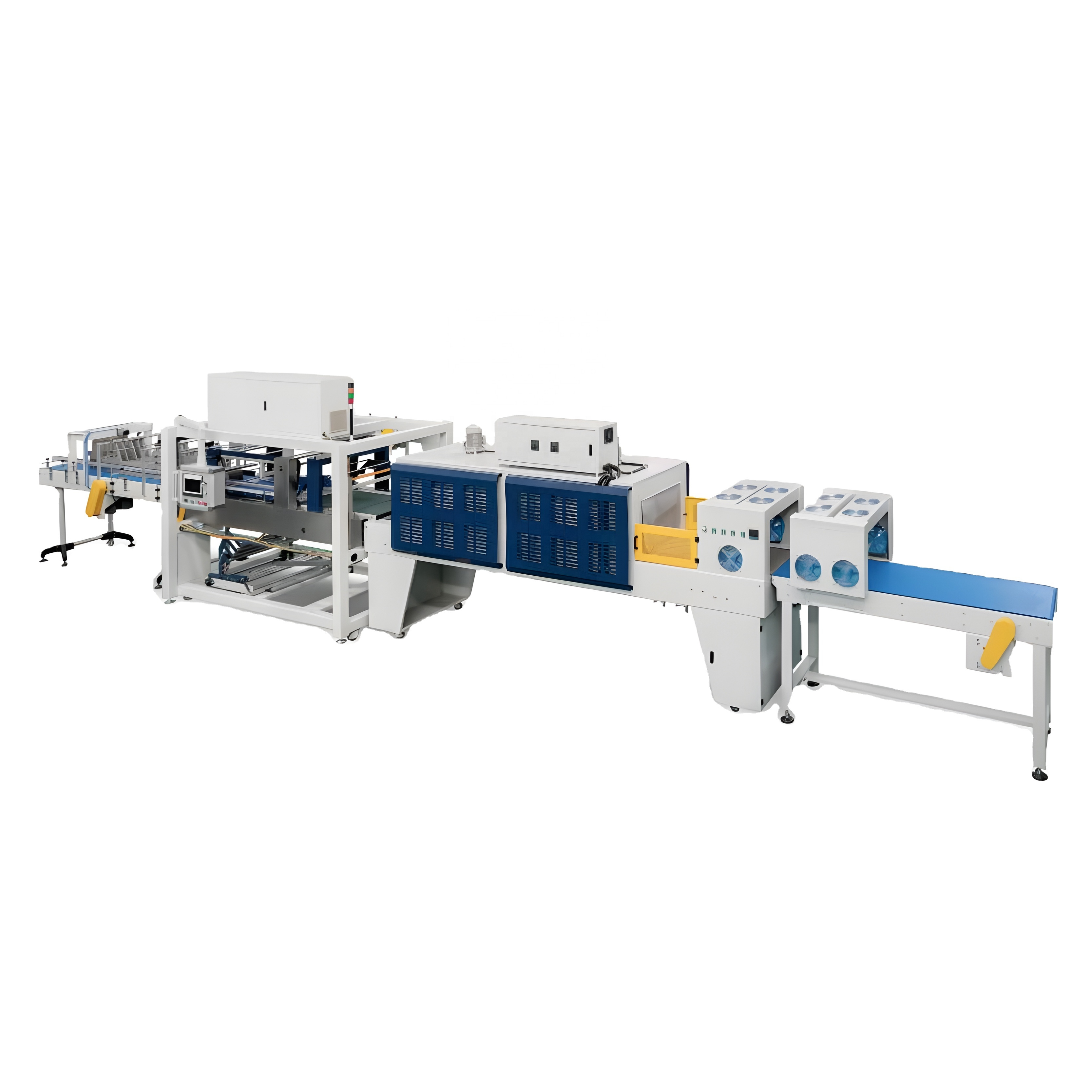
Robust Construction and Material Engineering for Long-Term Durability
Heavy-Duty Chassis, Reinforced Housing, and Corrosion-Resistant Alloys
The foundation of any durable blowing machine lies in its structural integrity. A heavy-duty chassis made from high-tensile steel provides a rigid platform that resists twisting and flexing during transport across uneven job sites. Reinforced housing—typically formed from impact-modified polymers or thick-gauge aluminum—shields the impeller and engine from accidental drops and debris strikes. Critically, corrosion-resistant alloys such as marine-grade 316 stainless steel are used for fasteners, axles, and exhaust components to prevent rust in damp or coastal environments. Field data from landscaping fleets shows that blowers with stainless steel hardware experience 60% fewer corrosion-related failures over a five-year period (Outdoor Power Equipment Institute, 2022). This material selection extends service life when exposed to moisture, fertilizers, or road salt—common challenges in municipal and commercial applications.
Two-Stage Air Filtration System to Protect Internal Components
Airborne dust and fine particulate are the primary enemies of small engines, accelerating cylinder wear and clogging carburetors. To mitigate this, advanced blowing machines employ a two-stage air filtration system. The first stage uses a cyclonic pre-cleaner that spins out larger particles—up to 90% of incoming debris is ejected before reaching the main filter. The second stage consists of a high-capacity pleated paper or foam element that captures sub-micron particles. This dual-layer defense drastically reduces engine ingestion of abrasive dust, which can cut engine life by half in dusty conditions. As a result, filter changes are needed only every 200 operating hours—four times less frequently than with single-stage designs—extending maintenance intervals and reducing unscheduled downtime during peak seasons.
Low-Maintenance Blowing Machine Design That Minimizes Operational Downtime
Tool-Free Access Panels, Strategic Lubrication Points, and Modular Component Layout
A low-maintenance blowing machine starts with intelligent physical design that prioritizes service speed. Tool-free access panels allow operators to reach the engine, impeller, and drive train without wrenches or specialized training—cutting mean time to repair (MTTR) significantly. This matters most in commercial settings: every minute of downtime can cost a landscaping crew over $150 in lost productivity (Landscape Management, 2023). Strategic lubrication points consolidate grease fittings and oil check ports into a single, clearly labeled zone, enabling technicians to service all critical wear points from one kneeling position. This eliminates missed lubrication—the leading cause of premature bearing failure. The modular component layout further enhances serviceability: engines, blower housings, and intake systems are isolated as independent units. When a subsystem requires attention, technicians swap the entire module rather than disassembling the machine piece by piece—enabling field repairs without depot returns. Together, these features compress maintenance workflows from hours to minutes.
Throttle Lock Mechanism and Simplified Engine Service Intervals
Consistent performance during extended use demands a throttle lock mechanism that eliminates operator fatigue while protecting the engine. This feature sets and holds optimal RPM without constant manual pressure on the trigger—delivering steady airflow and uniform engine loading. That consistency prevents damaging over-revving and lugging cycles that accelerate wear. Modern two-stroke and four-stroke powerheads now extend major service intervals to 100 hours or more, thanks to improved air-fuel mixing, larger oil reservoirs, and advanced ignition systems that preserve spark plug life. A municipal fleet tracking 50 handheld units recorded a 22% reduction in annual maintenance labor hours after adopting platforms with standardized throttle locks and extended service intervals (Public Works Equipment Study, 2022). The throttle lock ensures daily operational consistency; longer service windows reduce shop visits—both driving toward the same goal: maximum uptime through minimized intervention.
Proven Reliability of the Blowing Machine in Demanding Commercial Environments
3-Year Uptime Performance Data from Municipal and Landscaping Fleets
Field data collected across more than 50 municipal and landscaping fleets over three years confirms a consistent uptime of 97.5% for the blowing machine. Compared to previous-generation units, this represents a 40% reduction in unscheduled maintenance events—an improvement directly tied to advanced filtration and simplified engine service (2023 Fleet Survey). Operators report reliable starts and stable airflow throughout each workday, even during peak leaf-clearance seasons. In practical terms, crews complete routes on schedule without delays caused by part failures or frequent adjustments. The proven track record in high-hour, dust-heavy environments underscores that low-maintenance engineering—not stopgap fixes—is the foundation of long-term dependability for commercial groundskeeping operations.
Essential Maintenance Best Practices to Extend Blowing Machine Lifespan
A durable blowing machine is an investment that pays dividends over years of reliable operation—but even the most robust equipment benefits from disciplined, proactive care. Consistent maintenance not only prevents unexpected downtime but also sustains peak efficiency and output quality. Following these core best practices significantly extends lifespan while lowering total cost of ownership:
- Daily cleaning and visual inspection: Remove dust, resin buildup, and debris from surfaces, intakes, and housing. Check for loose fasteners, fluid leaks, and unusual noises at shift start to catch minor issues early.
- Lubrication and fluid checks: Follow the manufacturer’s schedule for greasing moving parts and verifying oil levels and condition. Proper lubrication reduces friction wear on bearings, linkages, and drive components.
- Air filtration and cooling system upkeep: Clean or replace air filters regularly to protect internal components and maintain steady airflow. Inspect cooling fans and heat exchangers to prevent overheating during extended use.
- Scheduled preventive maintenance: Use a documented plan based on running hours—not calendar time—to replace wear parts like seals, belts, and hoses before failure occurs. This keeps the machine operating within design tolerances and avoids cascading damage.
- Operator training and logbooks: Ensure all operators understand normal operating parameters and basic troubleshooting. A simple daily log of performance anomalies, pressures, and temperatures reveals gradual trends—enabling targeted, predictive maintenance instead of reactive repairs.
When these habits become routine, a well-engineered blowing machine can deliver decades of service—even under high-demand conditions.
FAQ
What materials are commonly used in the construction of durable blowing machines?
Heavy-duty blowing machines utilize high-tensile steel chassis, reinforced housing made of impact-modified polymers or aluminum, and corrosion-resistant alloys like marine-grade 316 stainless steel.
How does a two-stage air filtration system benefit the engine?
A two-stage air filtration system ejects larger particles before reaching the main filter and captures sub-micron debris, drastically reducing dust ingestion and extending maintenance intervals.
What features minimize downtime in blowing machine designs?
Tool-free access panels, consolidated lubrication points, and modular component layouts are key features that minimize operational downtime and simplify maintenance.
Why is a throttle lock mechanism important?
A throttle lock mechanism ensures consistent RPM without manual pressure, reducing operator fatigue while protecting the engine from over-revving or lugging cycles.
What are the essential maintenance practices for blowing machines?
Key practices include daily cleaning, regular lubrication, air filtration upkeep, preventive maintenance based on operating hours, and maintaining operator logs for predictive servicing.
Table of Contents
- Robust Construction and Material Engineering for Long-Term Durability
- Low-Maintenance Blowing Machine Design That Minimizes Operational Downtime
- Proven Reliability of the Blowing Machine in Demanding Commercial Environments
- Essential Maintenance Best Practices to Extend Blowing Machine Lifespan
-
FAQ
- What materials are commonly used in the construction of durable blowing machines?
- How does a two-stage air filtration system benefit the engine?
- What features minimize downtime in blowing machine designs?
- Why is a throttle lock mechanism important?
- What are the essential maintenance practices for blowing machines?