उच्च-गति ब्लोइंग मशीनें BPH और प्रवाह क्षमता को कैसे अधिकतम करती हैं
चक्र समय, गति रेटिंग्स और PET बोतल के विभिन्न आकारों के लिए वास्तविक दुनिया का BPH आउटपुट
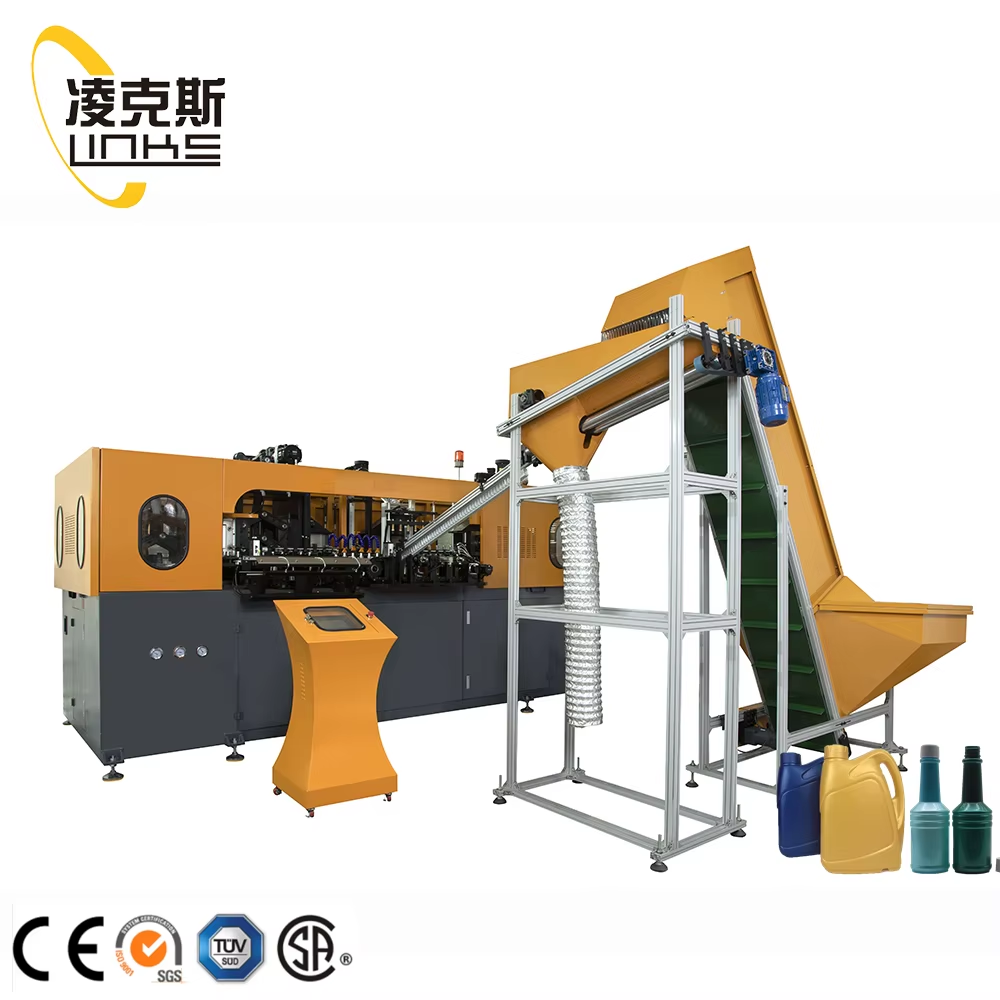
एक ब्लोइंग मशीन की विज्ञापित उत्पादन क्षमता—आमतौर पर बोतल प्रति घंटा (BPH) में व्यक्त की जाती है—उसकी सैद्धांतिक अधिकतम क्षमता को दर्शाती है, जो आदर्श प्रयोगशाला परिस्थितियों के तहत प्राप्त की जा सकती है। हालाँकि, वास्तविक दुनिया में उत्पादन, चक्र समय, बोतल की ज्यामिति और सामग्री के व्यवहार पर निर्भर करता है। छोटी PET बोतलें (जैसे 330 मिलीलीटर) कम थर्मल द्रव्यमान और कम ठंडा होने की आवश्यकता के कारण तेज़ चक्र समय सक्षम करती हैं, जिससे उत्पादन लाइनें घोषित क्षमता के निकट पहुँच सकती हैं। इसके विपरीत, बड़े आकार (1.5 लीटर और उससे अधिक) के लिए गर्म करने, ब्लोइंग और ठंडा करने के चरणों को बढ़ाने की आवश्यकता होती है—जिससे समग्र उत्पादन दर में कमी आती है। हालाँकि निर्माता 30,000 BPH का दावा कर सकते हैं, लेकिन प्रारूप परिवर्तनों, सैनिटेशन चक्रों और थोड़े से गति समायोजन के बाद, अच्छी तरह से संचालित उत्पादन लाइनें आमतौर पर उस आंकड़े का 80–90% हासिल करती हैं। न्यूनतम चक्र समय के लिए डिज़ाइन की गई मशीनें—जो अनुकूलित अवरक्त तापन क्षेत्रों, त्वरित फॉर्म बंद करने की क्षमता और कुशल प्रीफॉर्म हैंडलिंग के माध्यम से प्राप्त की जाती हैं—विविध पैक आकारों के लिए सबसे सुसंगत वास्तविक दुनिया की BPH प्रदान करती हैं।
स्मार्ट स्वचालन और निरंतर उच्च-गति प्रदर्शन के लिए बंद-लूप नियंत्रण
विस्तारित चलाने के दौरान उच्च BPH को बनाए रखने के लिए बुद्धिमान स्वचालन की आवश्यकता होती है—केवल कच्ची गति नहीं। आधुनिक ब्लोइंग मशीनें बंद-लूप नियंत्रण प्रणालियों को लागू करती हैं जो ओवन के तापमान, स्ट्रेच-रॉड बल, ब्लो दबाव और मॉल्ड शीतलन प्रोफाइल जैसे महत्वपूर्ण पैरामीटर्स की निरंतर निगरानी और समायोजन करती हैं। जब भी कोई विचलन होता है—यहाँ तक कि संकीर्ण सहिष्णुता के भीतर भी—प्रणाली वास्तविक समय में स्वयं सुधार कर लेती है, जिससे आकारिक सटीकता और दीवार की मोटाई की स्थिरता बनी रहती है। स्वचालित प्रीफॉर्म फीडिंग, मॉल्ड के अंदर ईजेक्शन और कन्वेयर हैंडऑफ जैसी सुविधाएँ औसत लाइन गति को कम करने वाले हस्तचालित सूक्ष्म विरामों को और अधिक कम कर देती हैं। इस परिणामस्वरूप, ये मशीनें पूर्ण शिफ्ट के दौरान अपनी अधिकतम गति के 95% पर नियमित रूप से संचालित होती हैं—जिससे शिखर प्रदर्शन को गुणवत्ता या स्थिरता के समझौते के बिना दोहराए जा सकने वाली उत्पादकता में बदल दिया जाता है।
पूर्ण गति पर सुसंगत गुणवत्ता को बनाए रखना
उच्च-गति ब्लोइंग मशीनों में वास्तविक समय की निगरानी और लाइन-में दोष का पता लगाना
1,000 बोतल प्रति मिनट से अधिक की गति पर, यहां तक कि एक सेकंड से कम के प्रक्रिया विचरण भी गुणवत्ता हानि को काफी हद तक बढ़ा सकते हैं। आज की उच्च-गति ब्लोइंग मशीनों में वास्तविक समय में, गैर-आक्रामक निगरानी को सीधे उत्पादन प्रवाह में एम्बेड किया गया है। मशीन विज़न प्रणालियां प्रत्येक बोतल की सतह पर असंगतियों—जैसे पिनहोल, जेल और दीवार की मोटाई में असमानताओं—की जांच 20 मिलीसेकंड से भी कम समय में करती हैं। एकीकृत दबाव सेंसर और द्रव्यमान-प्रवाह मीटर ब्लो एयर की स्थिरता की पुष्टि करते हैं, जबकि अवरक्त थर्मल इमेजिंग सभी क्षेत्रों में प्रीफॉर्म की समान गर्मी की पुष्टि करती है। कोई भी विचलन दोषपूर्ण इकाइयों को नीचे की ओर आगे बढ़ने से पहले वायुचालित निकासकों के माध्यम से तुरंत अस्वीकृत कर देता है। यह बंद-लूप डिटेक्शन वास्तुकला सुनिश्चित करती है कि उत्पादन दर उच्च स्तर पर बनी रहे, और सुसंगत—जिससे कचरा, पुनर्कार्य और ग्राहकों के सामने गुणवत्ता संबंधी चूक कम हो जाती है। परिणामस्वरूप पूर्ण क्षमता पर संचालन और बैच-से-बैच दोहराव की संभावना होती है।
शून्य-दोष आउटपुट के लिए सटीक पैरामीटर ट्यूनिंग: तापमान, दबाव और स्ट्रेच-ब्लो समय
उच्च गति पर शून्य-दोष आउटपुट की प्राप्ति तीन परस्पर निर्भर चरों—पूर्व-आकृति (प्रीफॉर्म) के तापमान का गर्म करना, ब्लो एयर दबाव का प्रोफाइल, और स्ट्रेच-रॉड के समय के मिलीसेकंड और डिग्री स्तर के नियंत्रण पर निर्भर करती है। पॉलीएथिलीन टेरेफ्थैलेट (PET) के लिए, आदर्श आकृति निर्माण तब होता है जब प्रीफॉर्म समान रूप से 100–115°C तक पहुँच जाते हैं; ±3°C के विचलन से तनाव के कारण सफ़ेदी, पतले स्थान या फटने की विफलता का ख़तरा हो सकता है। ब्लो दबाव को केवल सेट करने के बजाय सटीक रूप से बढ़ाया जाना चाहिए—ताकि बोतल की ज्यामिति और दीवार की मोटाई के लक्ष्यों के अनुरूप हो सके; दबाव की कमी के कारण पूर्ण विस्तार नहीं हो पाता, जबकि अधिक दबाव के कारण संरचनात्मक विफलता का ख़तरा हो सकता है। स्ट्रेच-ब्लो समय—जो रॉड के प्रवेश और दबाव लगाने के बीच का अंतराल है—को ±2 मिलीसेकंड के भीतर समन्वित किया जाना चाहिए ताकि अक्षीय और त्रिज्या अभिविन्यास संतुलित रहे। उन्नत सर्वो-चालित मशीनें तापीय, दबाव और स्थिति सेंसरों से वास्तविक समय में प्राप्त प्रतिक्रिया का उपयोग करके उत्पादन के दौरान इन तीनों पैरामीटर्स को गतिशील रूप से समायोजित करती हैं। इस स्तर की अनुकूली ट्यूनिंग उच्च गति और शून्य-दोष गुणवत्ता को केवल संगत ही नहीं बनाती—बल्कि एक-दूसरे को पूरक भी बनाती है।
गति और विश्वसनीयता के लिए ब्लोइंग मशीन कॉन्फ़िगरेशन का अनुकूलन
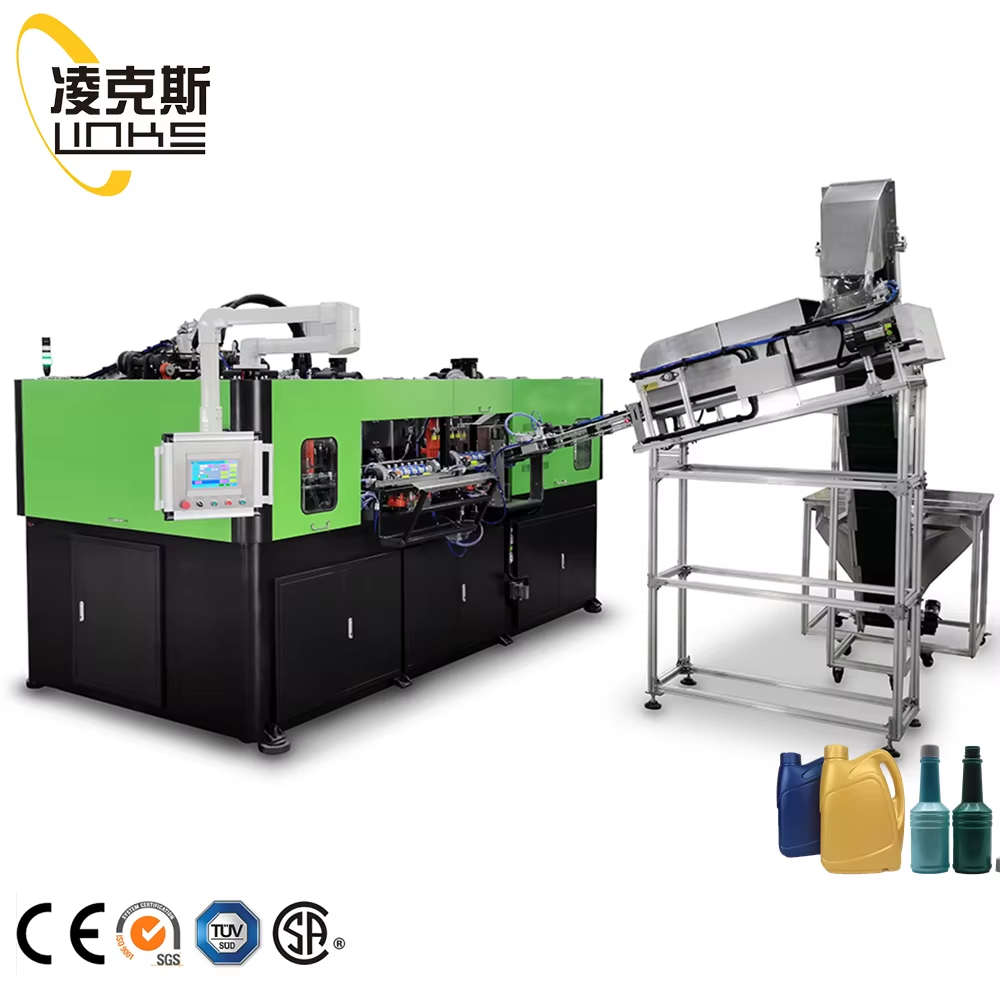
लगातार गति और दीर्घकालिक विश्वसनीयता प्राप्त करने के लिए ऑपरेशनल वास्तविकता पर आधारित कॉन्फ़िगरेशन निर्णय लेने की आवश्यकता होती है—केवल विशिष्टता शीट्स पर नहीं। मुख्य नियंत्रण कारकों में फोरमैन की दीवार की मोटाई के अनुसार क्षेत्र-आधारित तापमान नियंत्रण, प्रत्येक कैविटी के लिए डिजिटल रूप से कैलिब्रेटेड ब्लो दबाव मैपिंग, और फ्लैश या मोल्ड के क्षरण को रोकने के लिए गतिशील क्लैम्पिंग-बल समायोजन शामिल हैं। प्रारंभ से पहले की सत्यापन प्रोटोकॉल—जिसमें मोल्ड संरेखण, हीटर कैलिब्रेशन और सेंसर प्रतिक्रिया की जाँच शामिल है—से टाले जा सकने वाले रुकावटों को रोका जाता है। सर्वो-चालित गति प्रणालियाँ दोहरावयोग्य, ऊर्जा-दक्ष एक्चुएशन प्रदान करती हैं, जो हाइड्रोलिक विकल्पों की तुलना में साइकिल समय को 12% तक कम कर देती हैं। बहु-कैविटी मोल्ड (उदाहरण के लिए, 16- या 24-कैविटी) प्रत्येक साइकिल में आउटपुट को बढ़ाते हैं, बिना लाइन के फुटप्रिंट में वृद्धि किए। ऊपर की ओर प्रीफॉर्म फीडर्स और नीचे की ओर कन्वेयर्स के साथ सुग्गी एकीकरण स्थानांतरण के बोटलनेक्स को कम करता है, जबकि अंतर्निहित कंपन, तापमान और साइकिल-गिनती विश्लेषण द्वारा संचालित भविष्यवाणी आधारित रखरखाव विफलता से हफ्तों पहले ही बेयरिंग के क्षरण या वाल्व के क्षरण की पहचान करता है। ये समन्वित कॉन्फ़िगरेशन विकल्प गति को एक क्षणिक मापदंड से एक टिकाऊ, रखरखाव योग्य क्षमता में बदल देते हैं।
ऊर्जा दक्षता, सामग्री लचीलापन और आधुनिक ब्लोइंग मशीनों के कुल स्वामित्व लागत (टीसीओ) के लाभ
आधुनिक उच्च-गति ब्लोइंग मशीनें तीन एकीकृत क्षमताओं के माध्यम से आकर्षक कुल स्वामित्व लागत (टीसीओ) के लाभ प्रदान करती हैं: प्रति बोतल कम ऊर्जा खपत, यांत्रिक पुनः उपकरणीकरण के बिना व्यापक सामग्री संगतता, और कम रखरखाव आवश्यकता। ये सभी मिलकर लागत अनुशासन और सततता प्रतिबद्धताओं का समर्थन करते हैं—जिससे वे रणनीतिक संपत्ति बन जाते हैं, न कि केवल रणनीतिक उपकरण खरीदें।
पीईटी, एचडीपीई और पीसीआर अनुप्रयोगों में पुनर्जनित ड्राइव और अनुकूलनशील तापन के साथ किलोवॉट-घंटा/बोतल को कम करना
ऊर्जा दक्षता दो मुख्य नवाचारों से उत्पन्न होती है: पुनर्जनन करने वाले सर्वो ड्राइव जो मंदन के दौरान गतिज ऊर्जा को पुनः प्राप्त करते हैं, और अनुकूलनशील अवरक्त तापन प्रणालियाँ जो पूर्व-आकृति की मोटाई, रंग और रेजिन संरचना के आधार पर शक्ति आउटपुट को समायोजित करती हैं। पॉलीएथिलीन टेरेफ्थालेट (PET) उत्पादन में, पुनर्जनन करने वाले ड्राइव लाइन-स्तरीय बिजली की खपत को 15–25% तक कम कर देते हैं। अनुकूलनशील तापन HDPE के लिए ताप-अवधि को अधिकतम 30% तक कम करता है और पोस्ट-कंज्यूमर रीसाइकिल्ड (PCR) PET के लिए तापीय स्थिरता में सुधार करता है—जिसकी परिवर्तनशील नमी सामग्री और दूषण स्तरों के कारण ऐतिहासिक रूप से उच्च अपव्यय दरें होती थीं। वास्तविक समय में तापन प्रोफाइल को स्वचालित रूप से समायोजित करके, ये प्रणालियाँ अति-तापन और अपर्याप्त आकृति दोनों को रोकती हैं, जिससे प्रति बोतल किलोवाट-घंटा (kWh) की खपत पुरानी मशीनों की तुलना में 20–40% कम हो जाती है। महत्वपूर्ण रूप से, यही प्लेटफ़ॉर्म PET, HDPE और PCR सूत्रों को बिना किसी हार्डवेयर परिवर्तन के संभाल सकता है—जिससे सामग्री परिवर्तन के बीच अवधि का नुकसान समाप्त हो जाता है और स्पेयर-पार्ट्स के भंडार को कम किया जा सकता है। ऊर्जा बचत, लचीलापन और अवरोध-प्रतिरोध के इस संगम से बहुवर्षीय उत्पादन जीवनचक्र के दौरान मापने योग्य कुल स्वामित्व लागत (TCO) में सुधार होता है।
अक्सर पूछे जाने वाले प्रश्न
ब्लोइंग मशीनों में BPH आउटपुट को कौन-कौन से कारक प्रभावित करते हैं?
ब्लोइंग मशीनों में वास्तविक दुनिया का BPH आउटपुट साइकिल समय, बोतल की ज्यामिति, सामग्री का व्यवहार और संचालन दक्षता द्वारा प्रभावित होता है। छोटी बोतलें त्वरित साइकिल्स की अनुमति देती हैं, जबकि बड़े आकार के लिए विस्तारित चरणों की आवश्यकता होती है।
आधुनिक ब्लोइंग मशीनें स्थिर गुणवत्ता सुनिश्चित करने के लिए कैसे काम करती हैं?
आधुनिक ब्लोइंग मशीनें दोषों और विचलनों का पता लगाने वाली वास्तविक समय निगरानी प्रणालियों, क्लोज़्ड-लूप नियंत्रण प्रणालियों और सटीक पैरामीटर ट्यूनिंग के माध्यम से स्थिर गुणवत्ता सुनिश्चित करती हैं।
क्या ब्लोइंग मशीनें विभिन्न बोतल सामग्रियों को संभाल सकती हैं?
हाँ, आधुनिक ब्लोइंग मशीनों को PET, HDPE और PCR जैसी विभिन्न सामग्रियों को बिना यांत्रिक पुनः उपकरण स्थापना के संभालने के लिए डिज़ाइन किया गया है, जिससे सामग्री के स्विच करने में आसानी होती है।
ब्लोइंग मशीनें ऊर्जा दक्षता में कैसे योगदान करती हैं?
ब्लोइंग मशीनें ऊर्जा दक्षता में ऊर्जा को पुनः प्राप्त करने वाले रिजनरेटिव ड्राइव्स और प्रीफॉर्म की विशेषताओं के आधार पर शक्ति आउटपुट को अनुकूलित करने वाली अनुकूलन तापन प्रणालियों के माध्यम से योगदान करती हैं।