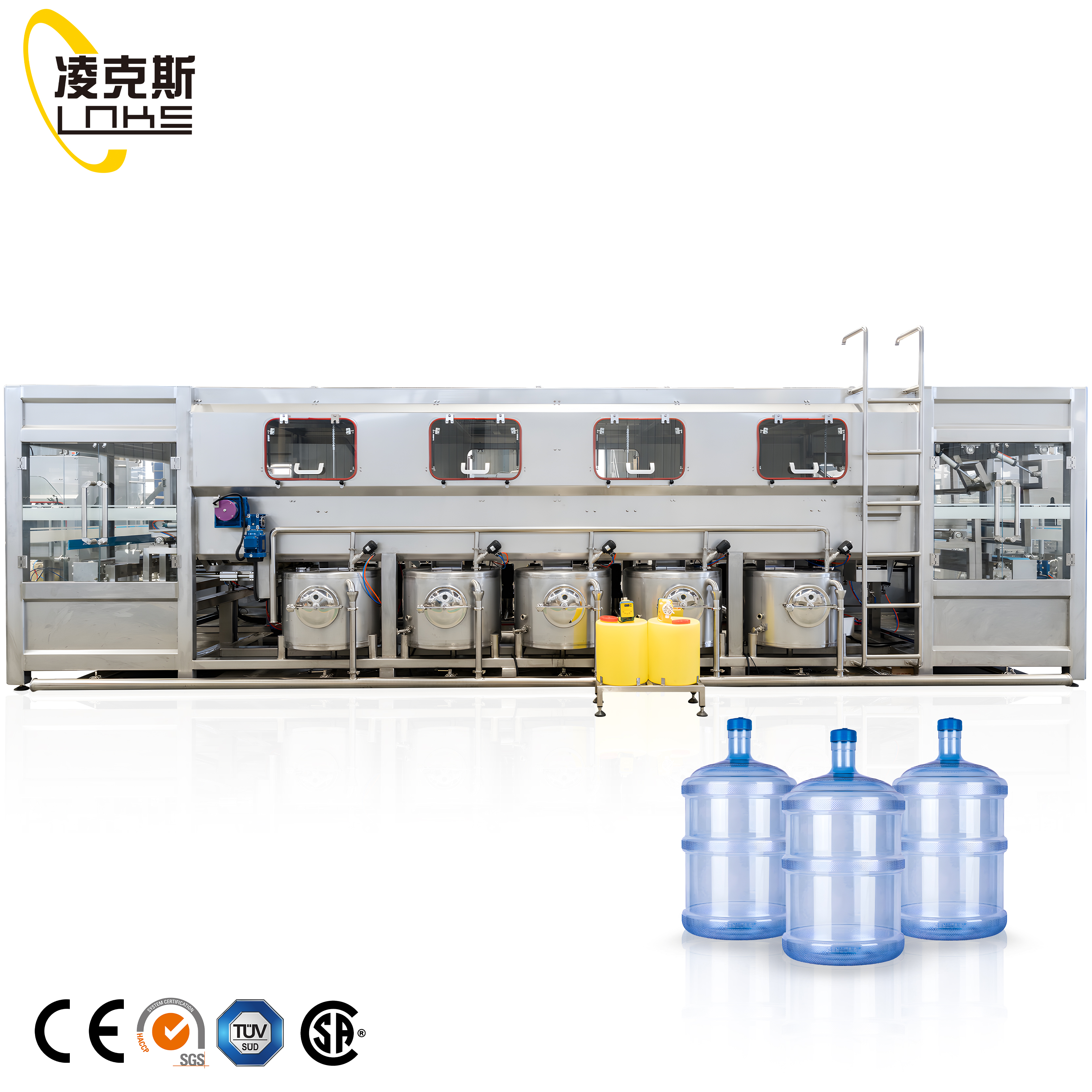
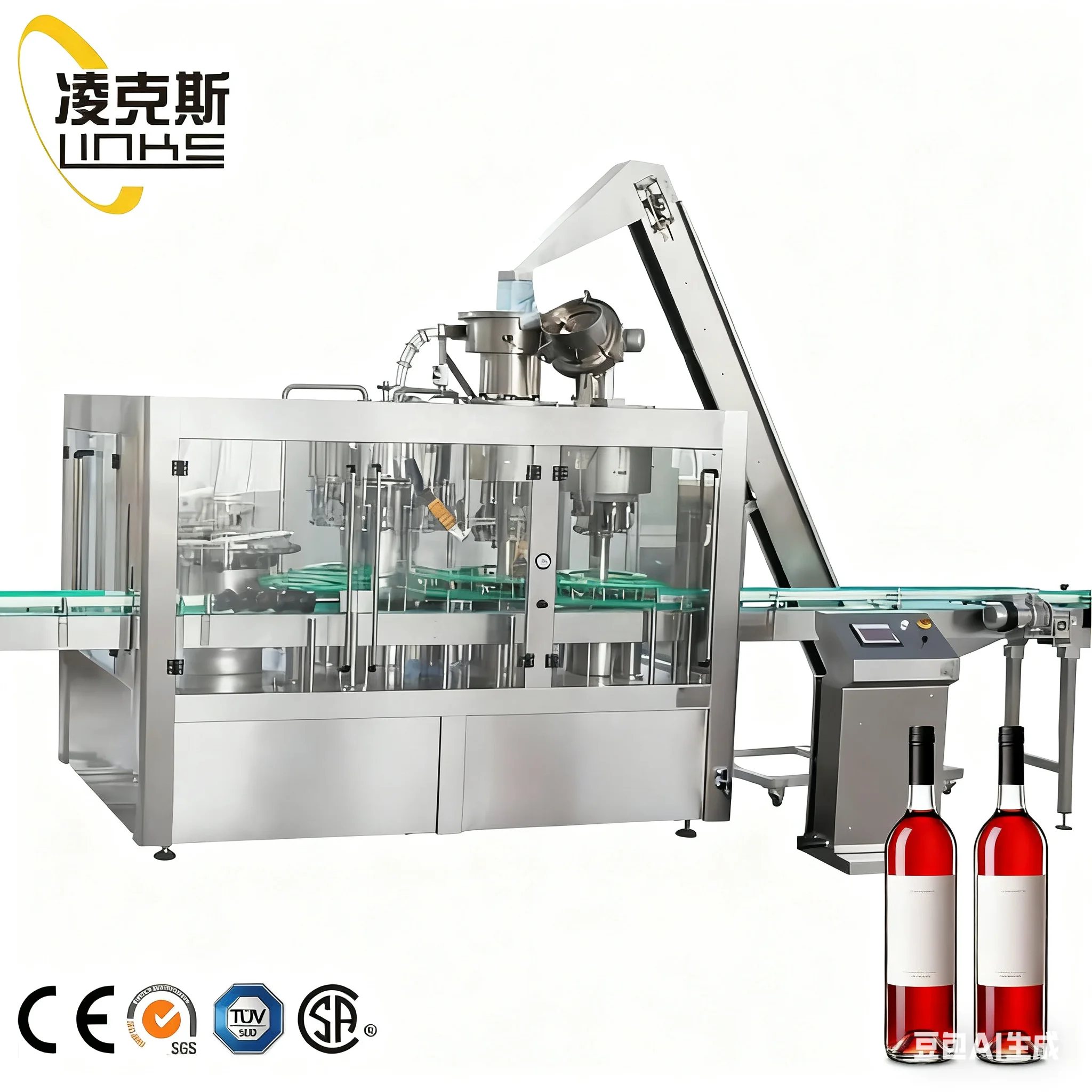
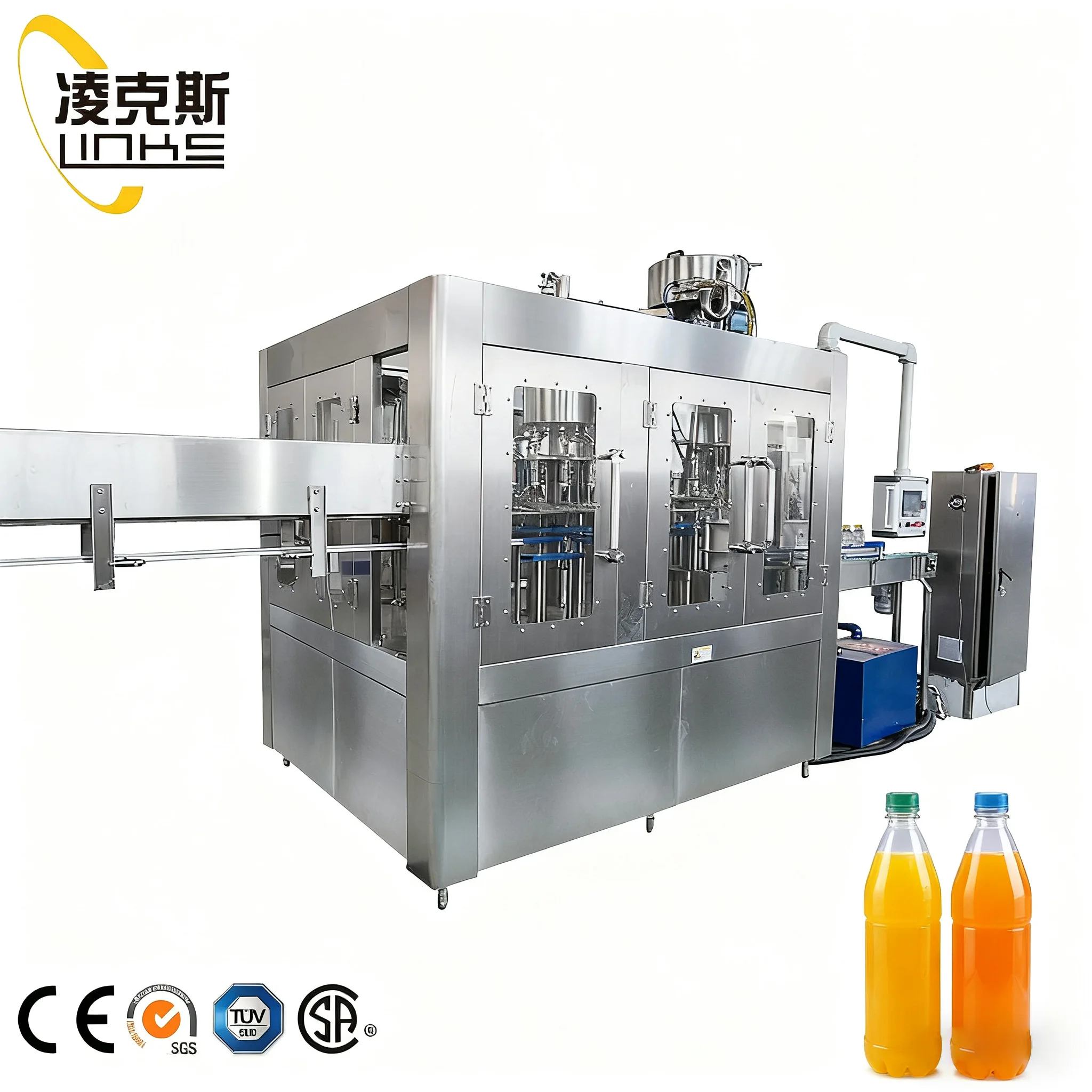
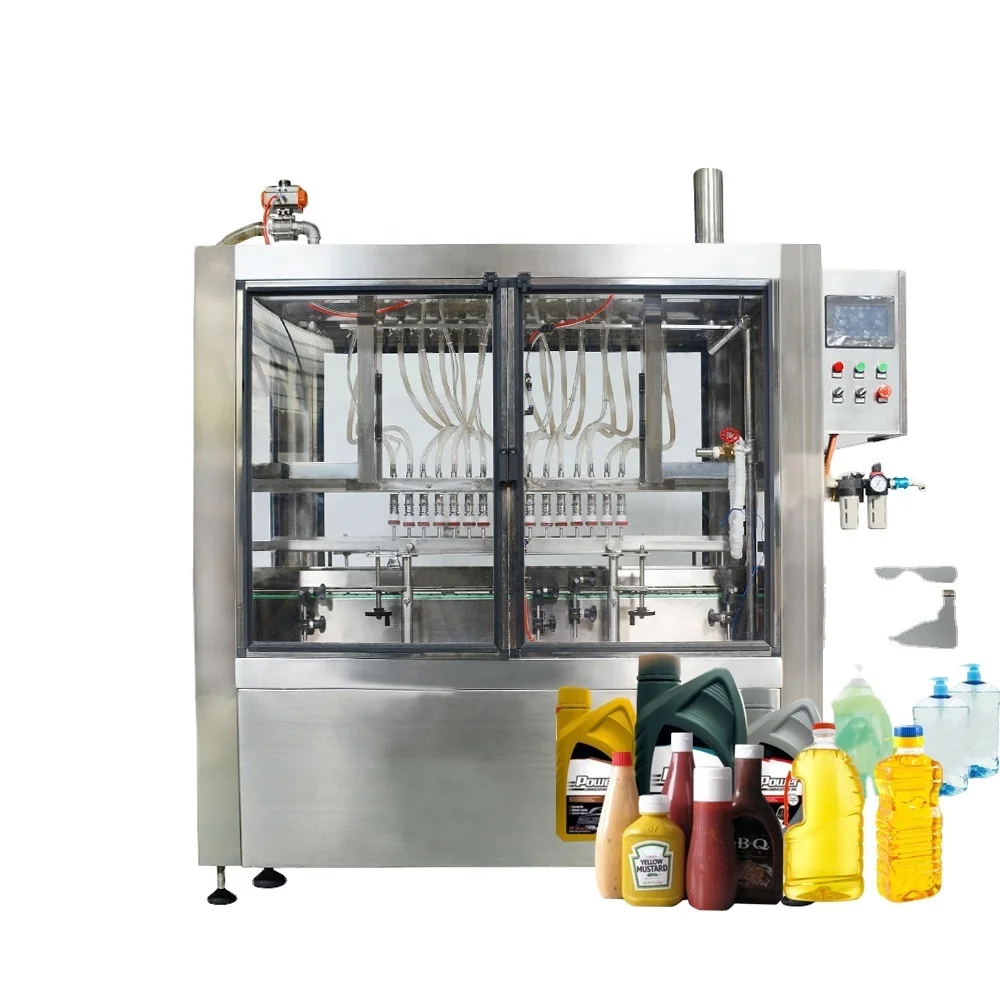
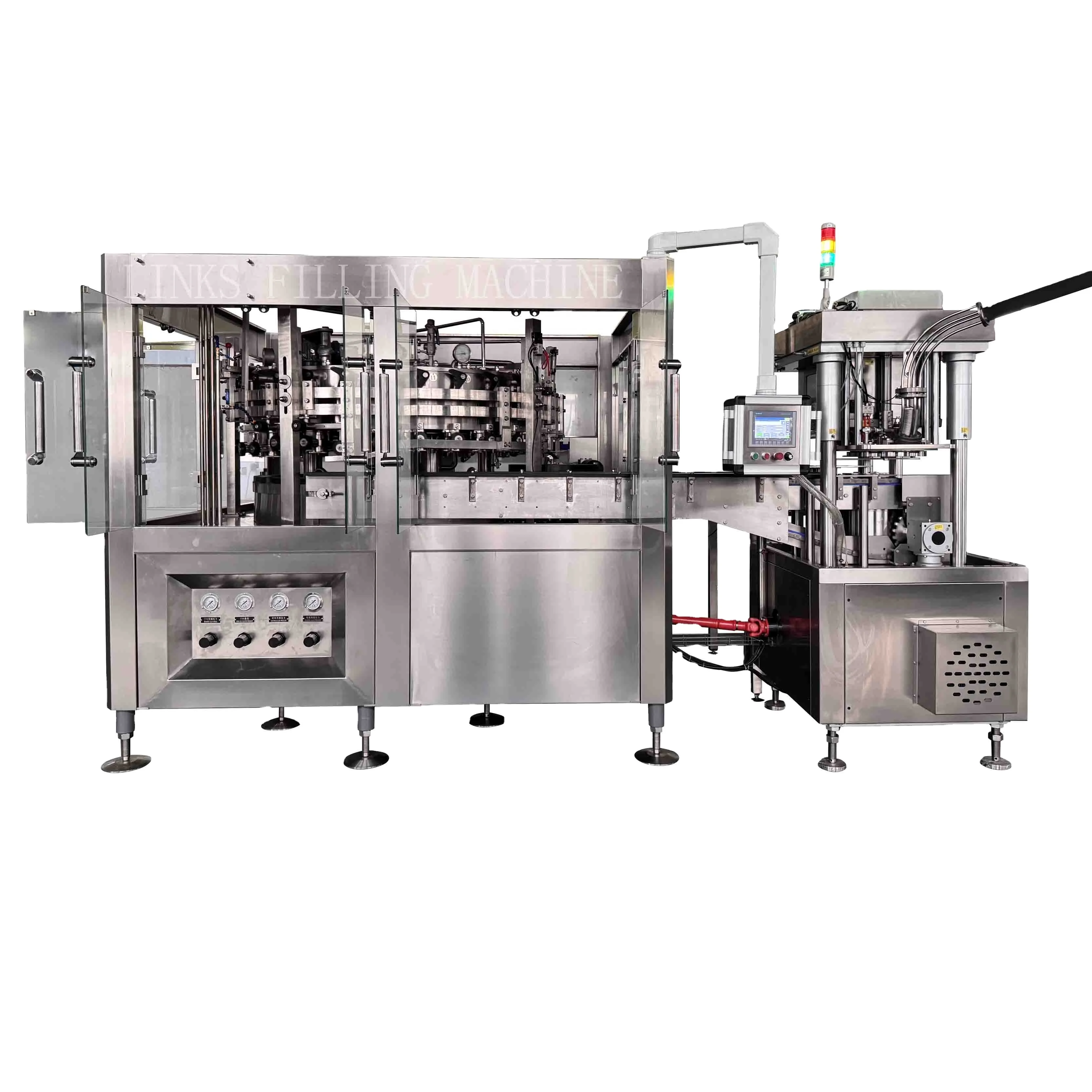
The Core Significance of Automated Watering Technology: Transforming from a Cost Center to a Strategic Asset
In today's fiercely competitive market environment, manual or semi-automated watering processes have become significant bottlenecks to business growth, product quality, and profitability. The emergence of automated watering technology represents far more than a simple equipment upgrade—it signifies a profound strategic transformation, elevating a foundational operational task into a powerful competitive advantage for enterprises. Its importance manifests across several core dimensions:
First, automated filling systems deliver unparalleled operational efficiency and scalability. They eliminate production bottlenecks inherent in manual filling, enabling continuous, high-speed operation that boosts productivity by several orders of magnitude. More importantly, this automated solution offers exceptional scalability. As market demand grows, businesses can effortlessly expand capacity by adjusting equipment parameters alone—without the complexity and costs associated with hiring, training, and managing large workforces. This makes business expansion more agile than ever before.
Second, this technology ensures unparalleled precision and consistent product quality. Human operation inevitably introduces errors, leading to uneven filling volumes that cause product waste or underfilling issues. Precisely programmed, the automatic filling machine guarantees highly consistent filling volumes for every bottle or barrel. This consistency not only directly reduces material waste and lowers costs but is also crucial for maintaining brand reputation and earning consumer trust—the fundamental guarantee of high-quality products.
Third, investing in automated filling equipment translates to significant long-term cost optimization. This is not merely an expense but a rapidly repaying investment. It directly reduces reliance on manual labor for filling operations, saving substantial labor costs. Simultaneously, it further compresses production expenses by minimizing product waste and spillage caused by overfilling. Overall, most enterprises recoup their investment quickly and enjoy substantial long-term profits from automation.
Finally, automated filling systems play an irreplaceable role in hygiene, safety, and compliance. Particularly in industries like food, beverage, and pharmaceuticals, the enclosed automated production process drastically minimizes human contact with products. This reduces microbial contamination risks at the source and effortlessly meets stringent industry regulations such as GMP and FDA standards. Simultaneously, automation alleviates labor intensity for employees, preventing physical injuries from repetitive tasks, and collectively fosters a safer, more standardized production environment.
In summary, the value of automated water filling equipment extends far beyond its functional capabilities. It serves as the cornerstone for enterprises to enhance profitability, ensure product quality, safeguard production safety, and ultimately gain market advantage—representing an inevitable choice for advancing toward modern, intelligent manufacturing.