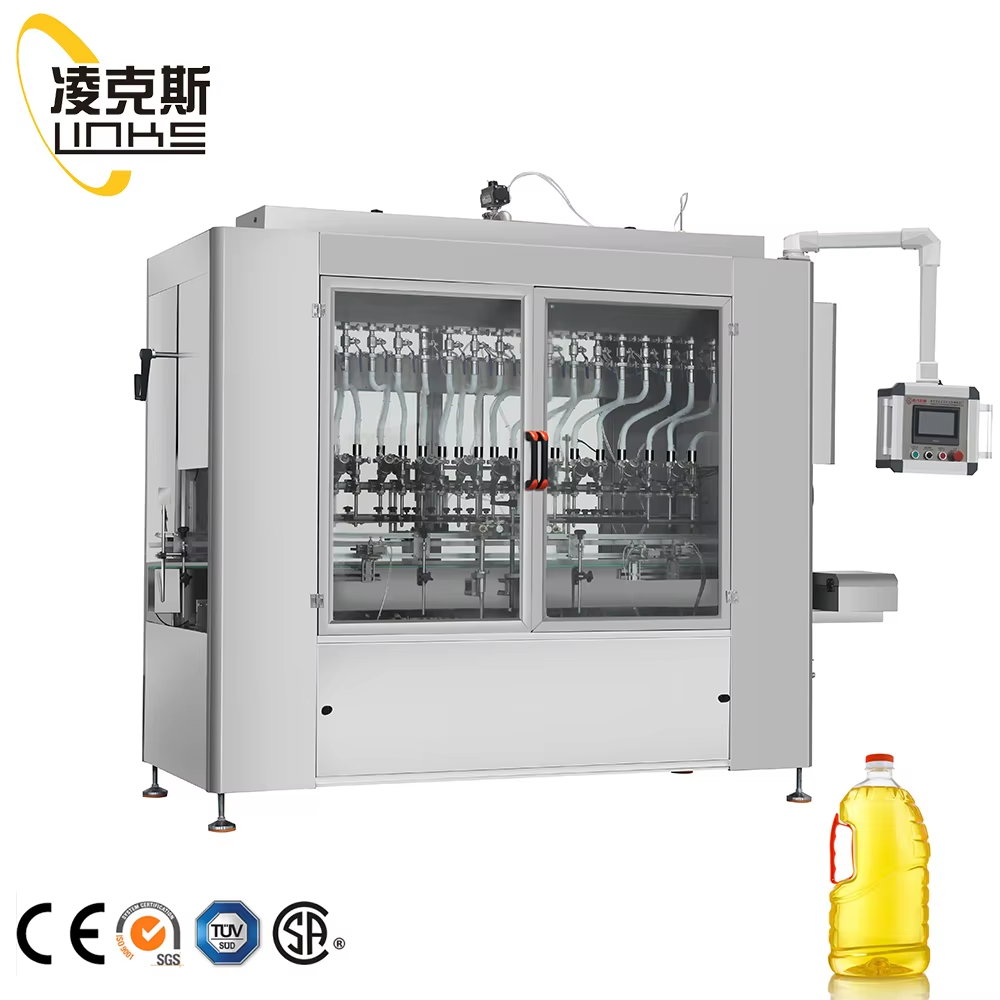
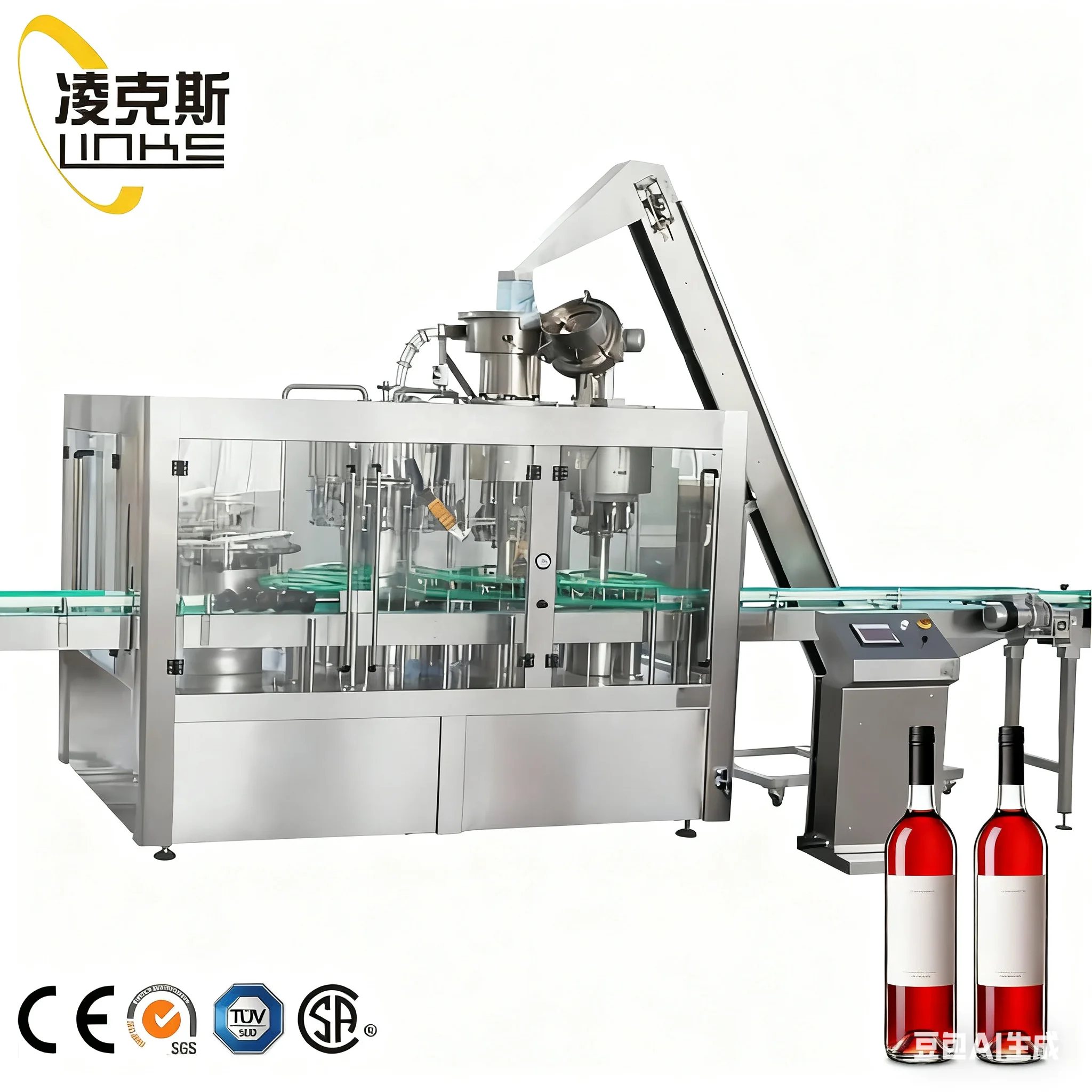
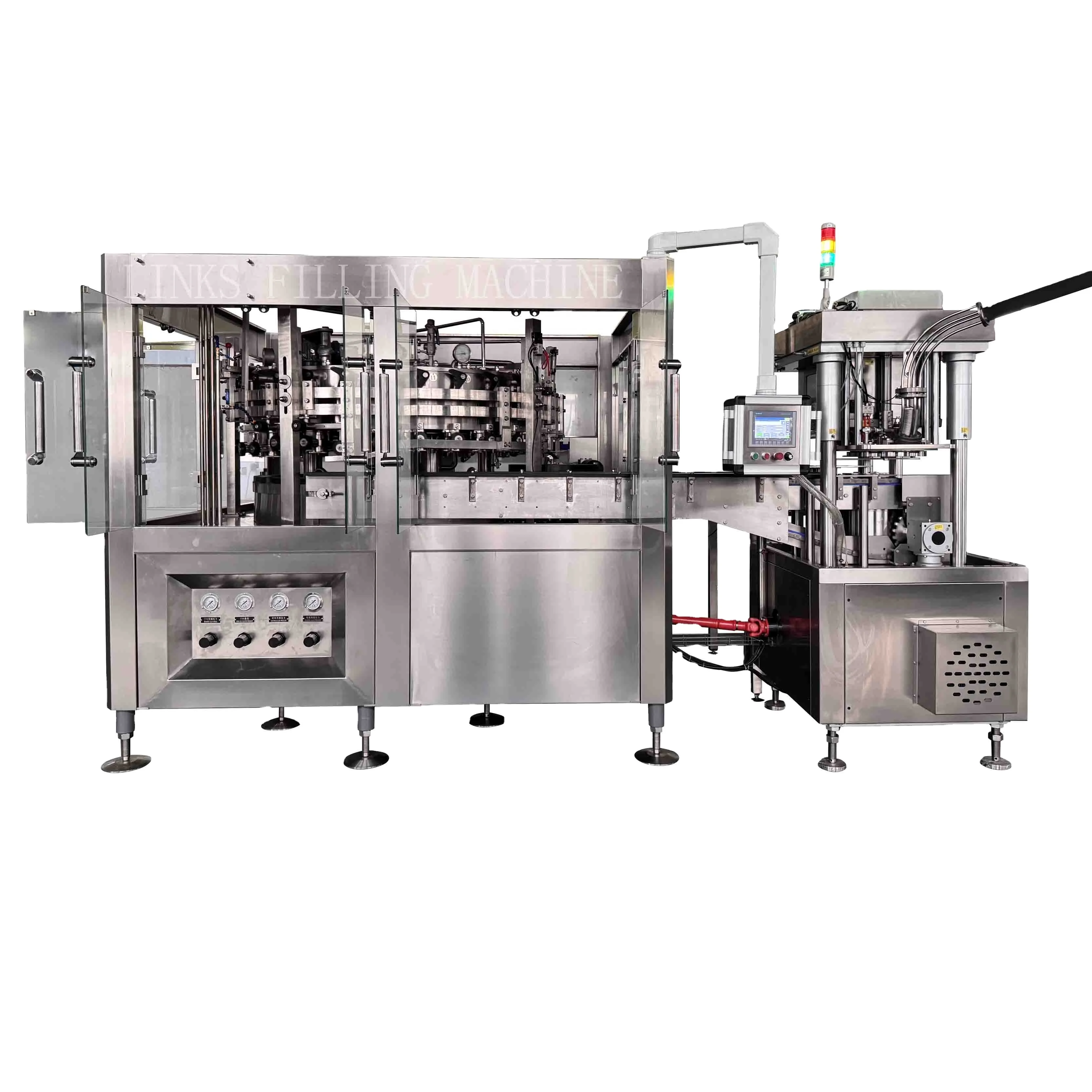
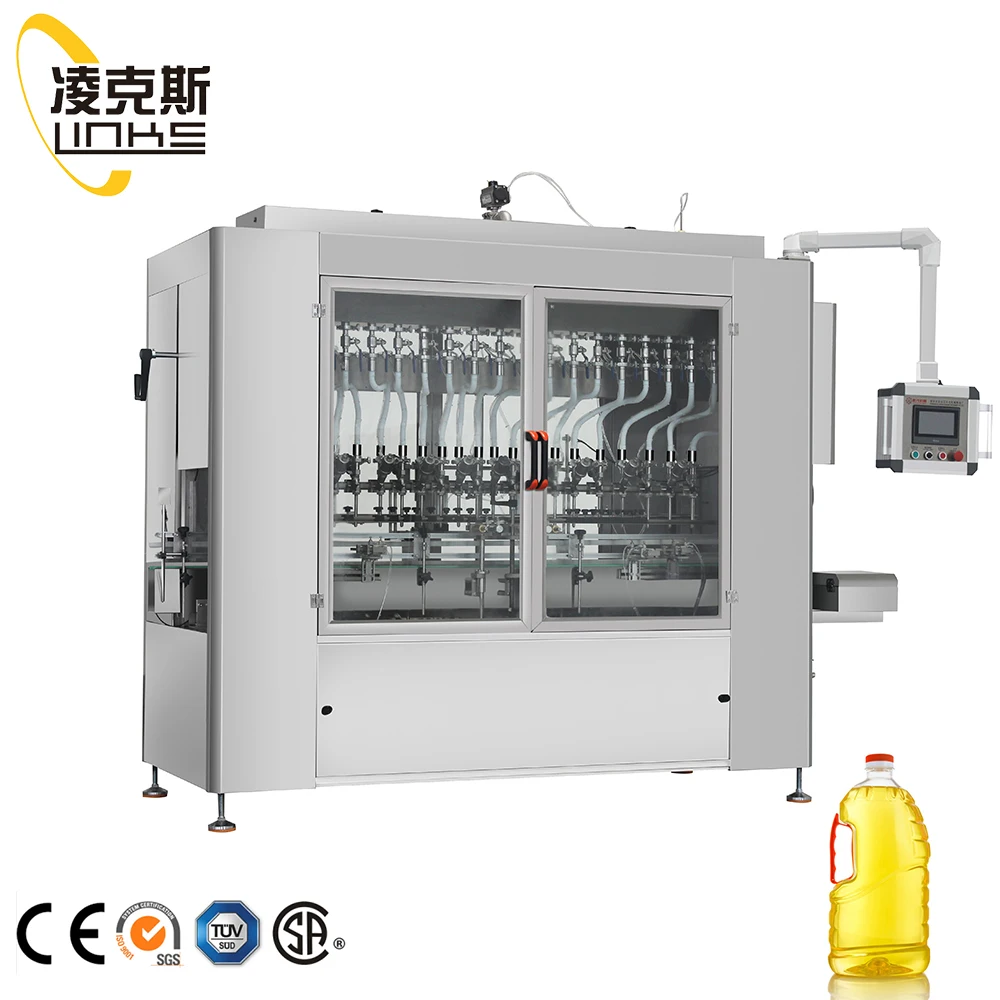
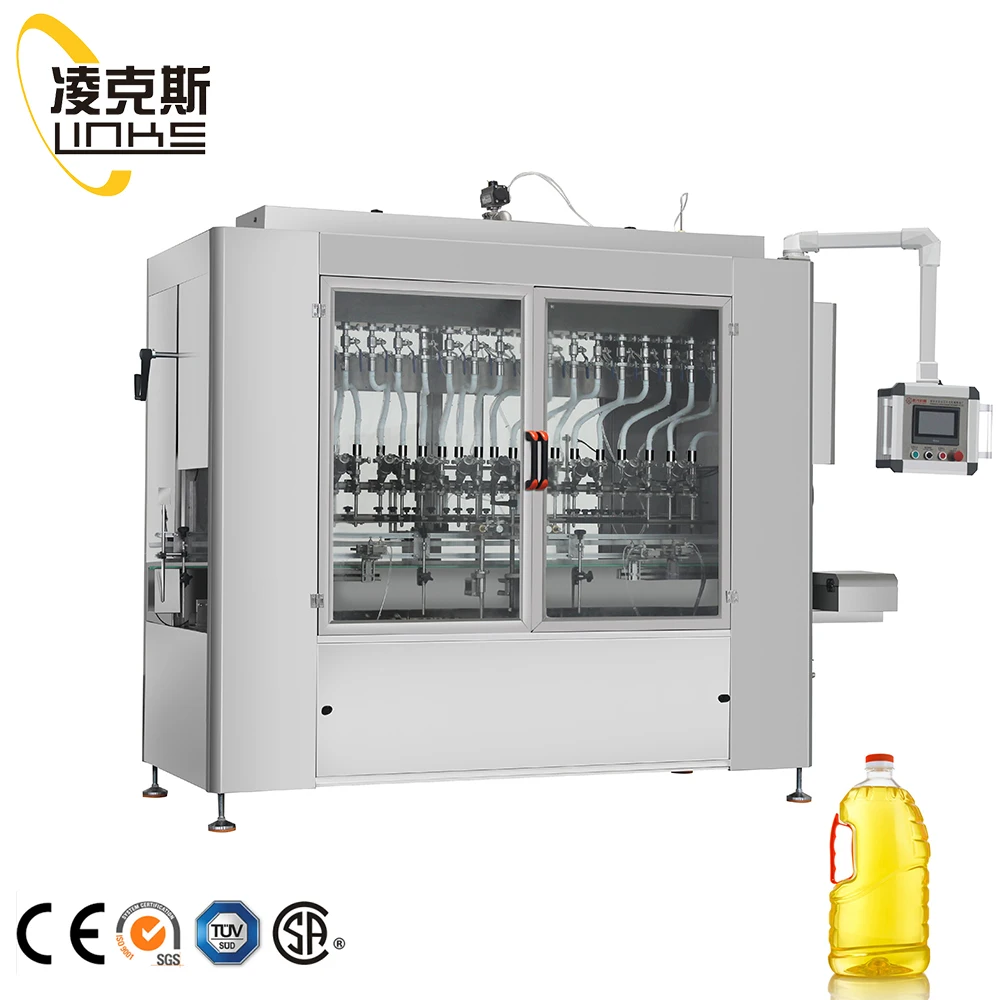
Although named the “Juice Filling Machine,” this equipment is actually a versatile, high-efficiency solution suitable for countless liquid products. Delve into its comprehensive application range, and you'll discover how this investment can help you expand your product line, enter new markets, and lay a solid foundation for your company's long-term growth.
Its core applications naturally span the fruit and vegetable juice sector, seamlessly handling everything from oxygen-sensitive premium cold-pressed juices to pulp-containing concentrated juices and fruit purees. It accommodates diverse shelf-life processes, including pasteurization and ultra-high-temperature (UHT) sterilization. More importantly, its application prospects have rapidly expanded into multiple thriving beverage categories. This includes plant-based beverages experiencing surging market demand, such as almond milk, oat milk, and coconut milk; as well as functional beverages like vitamin water, electrolyte drinks, and ready-to-drink teas. For carbonated beverages, specific models can also handle the filling of carbonated soft drinks.
Furthermore, the equipment's potential extends into the food and dairy sectors. It efficiently handles liquid milk, drinkable yogurt, kefir, and other dairy products, while also accommodating viscous sauces like ketchup, syrups, and dressings, as well as various edible oils. In highly demanding specialty industrial and pharmaceutical sectors, models featuring high hygiene standards and precise volume control are indispensable. These can fill cosmetic tonics, oral liquids, and even certain chemical reagents and cleaning agents, demonstrating the technology's precision and reliability.
It's important to understand that specific application scenarios directly determine your equipment requirements, significantly impacting the final price of a juice filling machine. For instance, basic models suffice for simple juice or water filling, offering a relatively low investment threshold. For carbonated beverages or viscous sauces, models equipped with pressure-resistant systems or more robust piston pumps are required, resulting in higher costs. In industries with stringent hygiene standards like dairy or pharmaceuticals, aseptic filling equipment made entirely of stainless steel and featuring fully automated cleaning systems is necessary, representing a higher investment level. Therefore, understanding “price” hinges on closely linking it to your “product characteristics and production requirements.”