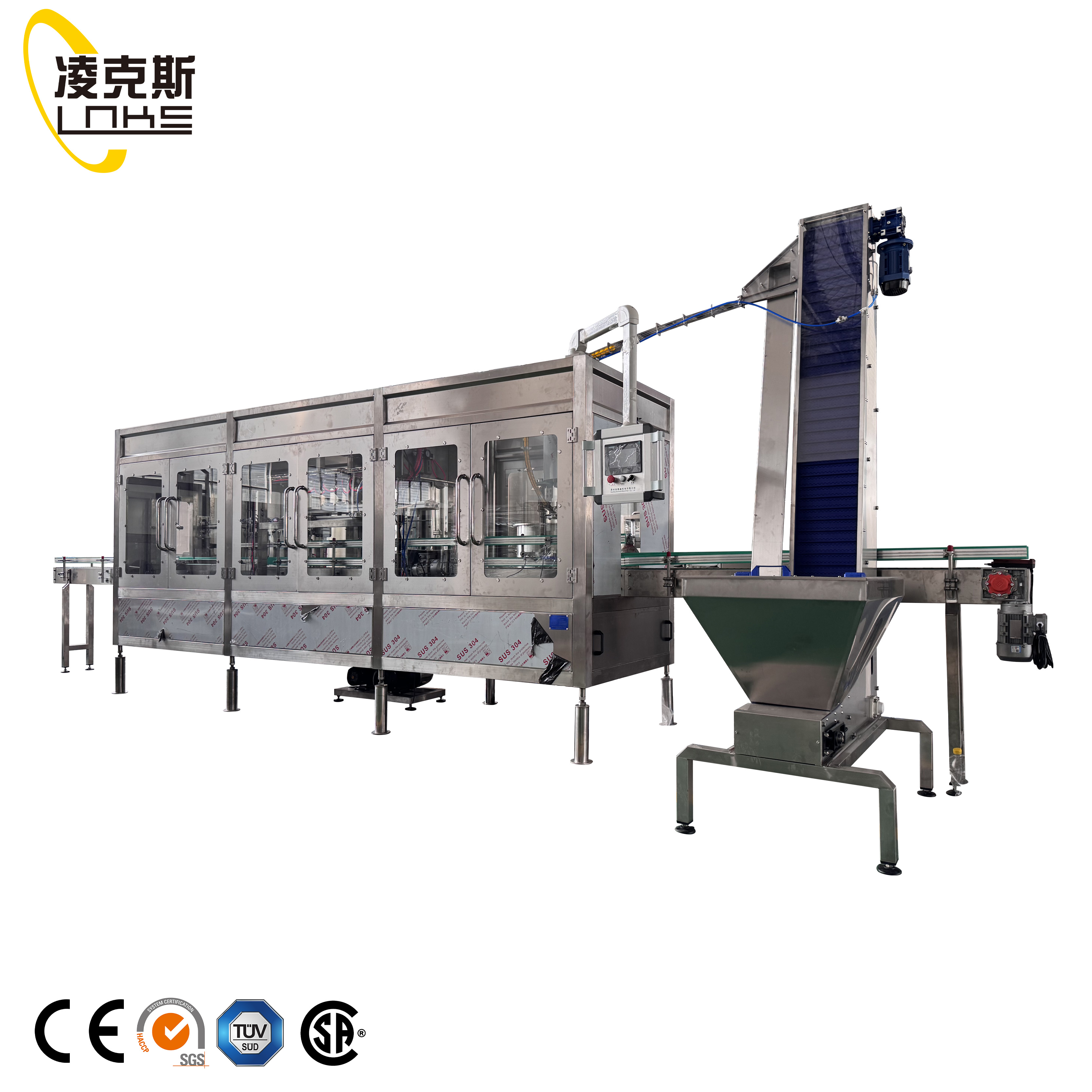
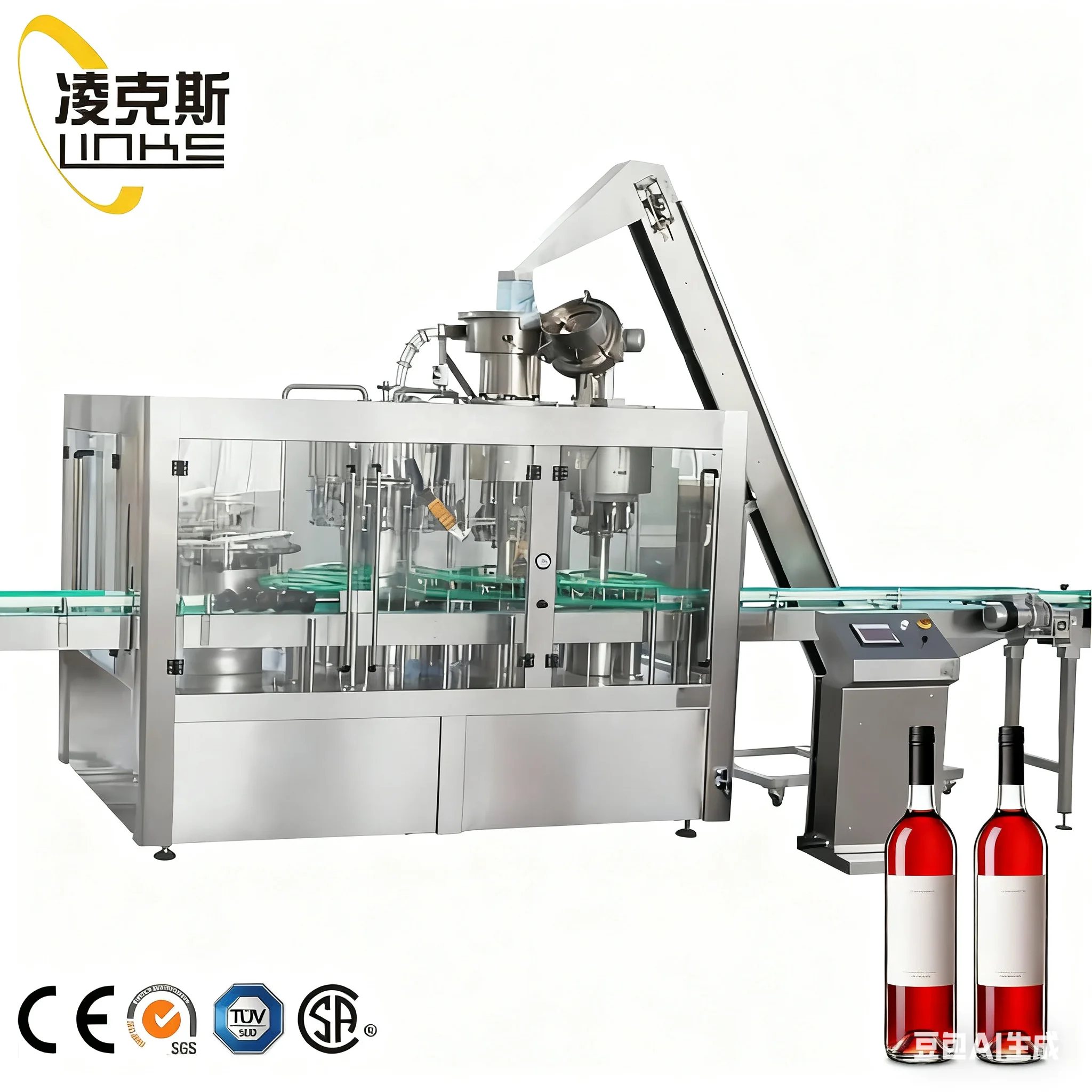
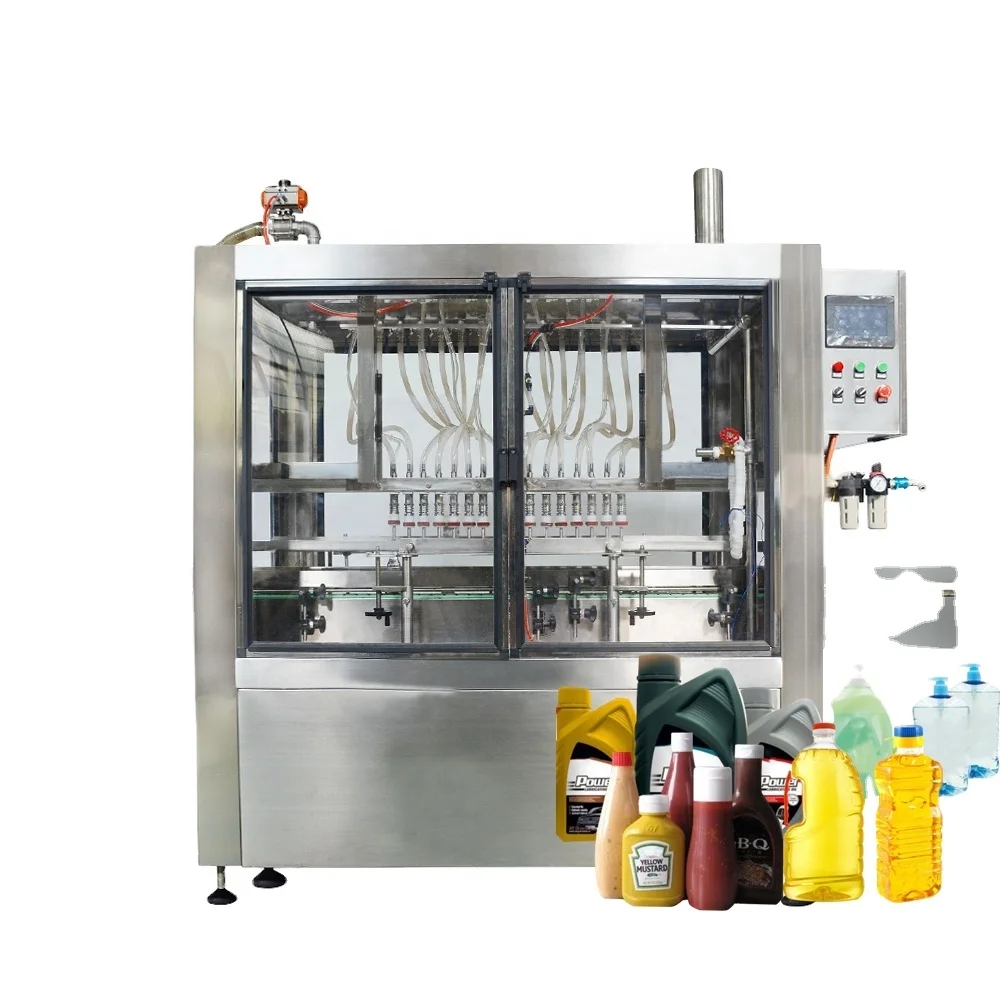
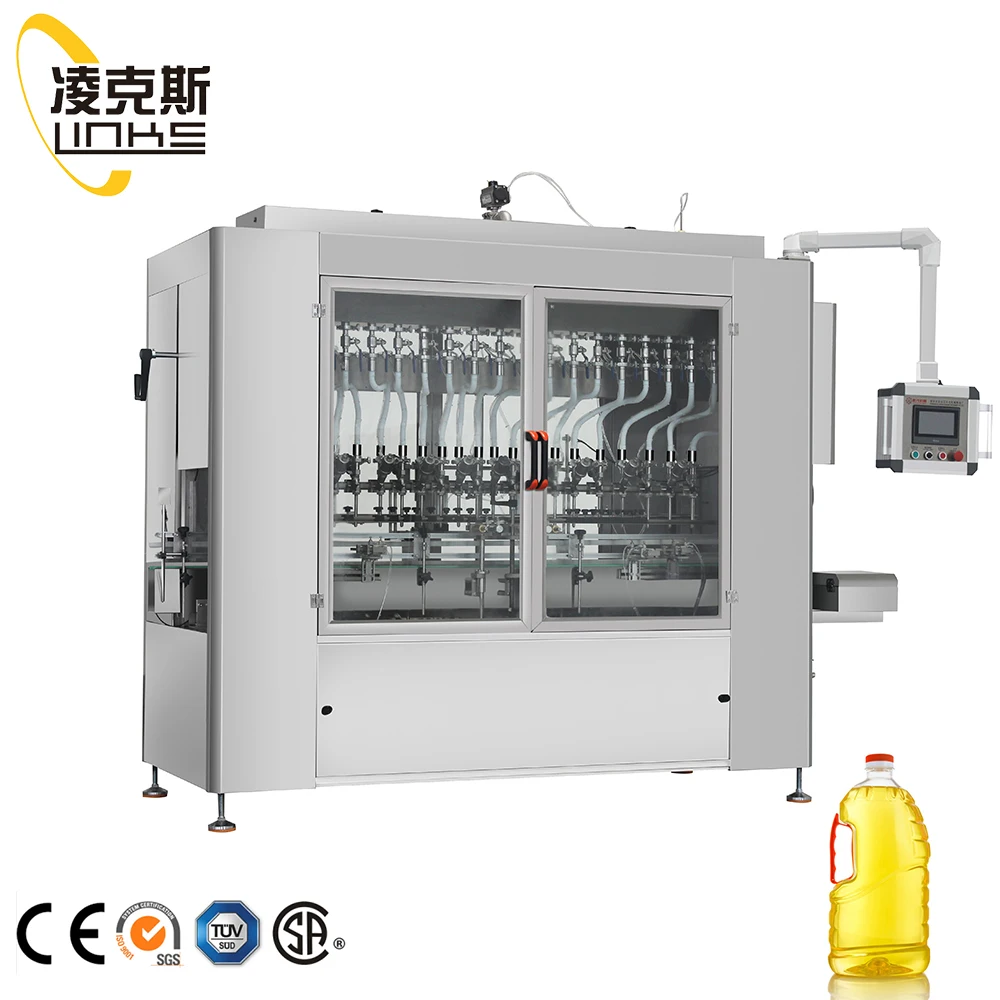
In today's fiercely competitive market environment, automatic liquid filling machines have long transcended their role as mere equipment, evolving into core strategic assets that enable businesses to achieve growth, ensure quality, and enhance competitiveness. Their significance is first demonstrated through fundamental improvements in production efficiency and scalability. By replacing manual operations prone to bottlenecks, these machines enable continuous, stable production at rates of hundreds or even thousands of bottles per hour. This not only dramatically increases output but also equips businesses with the agility to effortlessly handle market demand fluctuations and rapid expansion.
Beyond speed, their unparalleled precision forms the cornerstone of corporate quality control. Across pharmaceuticals, cosmetics, food, and chemical industries, automated filling machines ensure consistent product volumes in every bottle or can, eliminating human error. This directly reduces waste of expensive materials and, more critically, guarantees product standardization. It safeguards brand reputation by preventing customer complaints and commercial losses stemming from volume discrepancies.
From an economic perspective, automated filling significantly optimizes operational costs. It substantially reduces reliance on repetitive manual labor, allowing human resources to be redeployed to higher-value roles. Simultaneously, precise filling inherently minimizes product loss at the source, directly improving corporate profit margins. Furthermore, in terms of safety and hygiene, machine automation minimizes direct contact between personnel and products. This is crucial for maintaining sterile production environments, reducing contamination risks, and protecting employees from exposure to potentially hazardous chemicals.
Finally, modern automatic liquid filling machines offer exceptional flexibility in responding to market shifts. They can rapidly adapt to different container specifications (such as bottles, jars, and tubes) and varying product viscosities (from water-based liquids to viscous pastes), enabling businesses to swiftly seize new market opportunities with minimal changeover costs. In summary, investing in an automatic liquid filling machine is not merely a simple equipment purchase but a strategic decision for future growth. By enhancing efficiency, ensuring quality, reducing costs, and increasing flexibility, it builds a lasting and powerful competitive advantage for businesses.