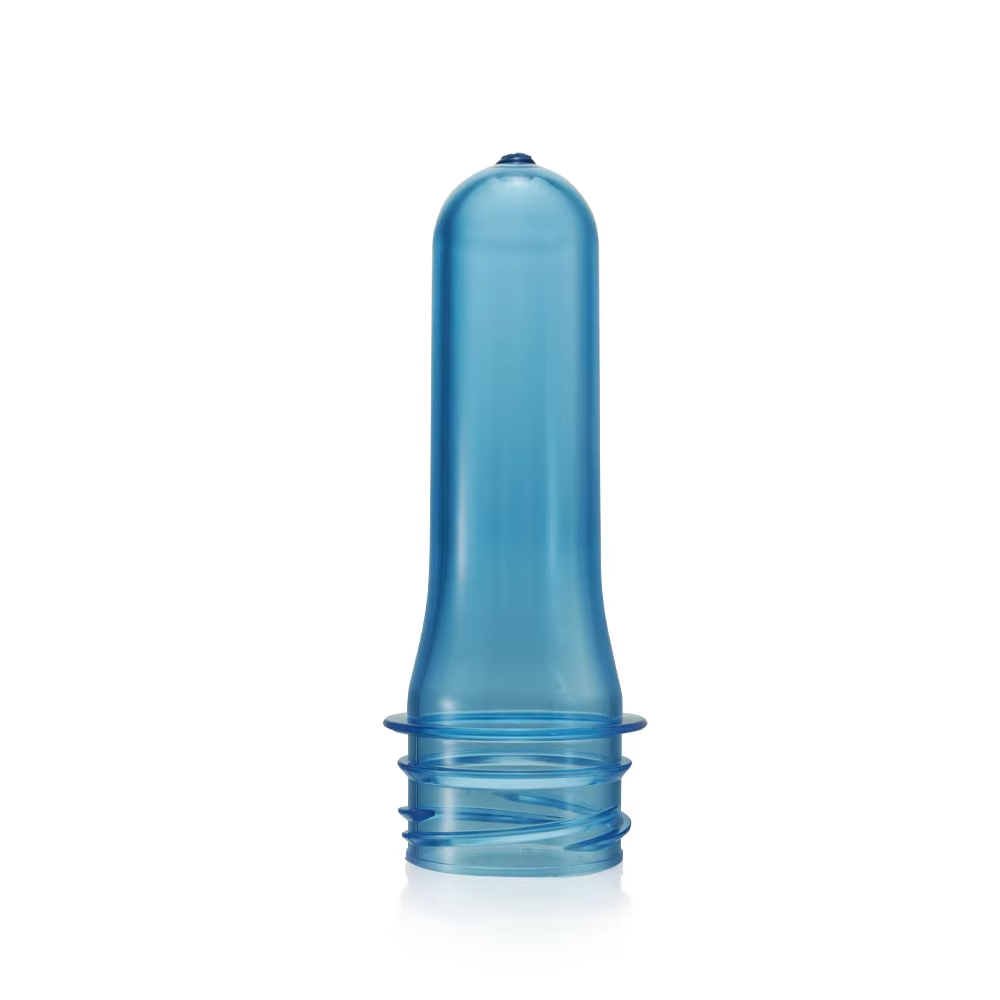
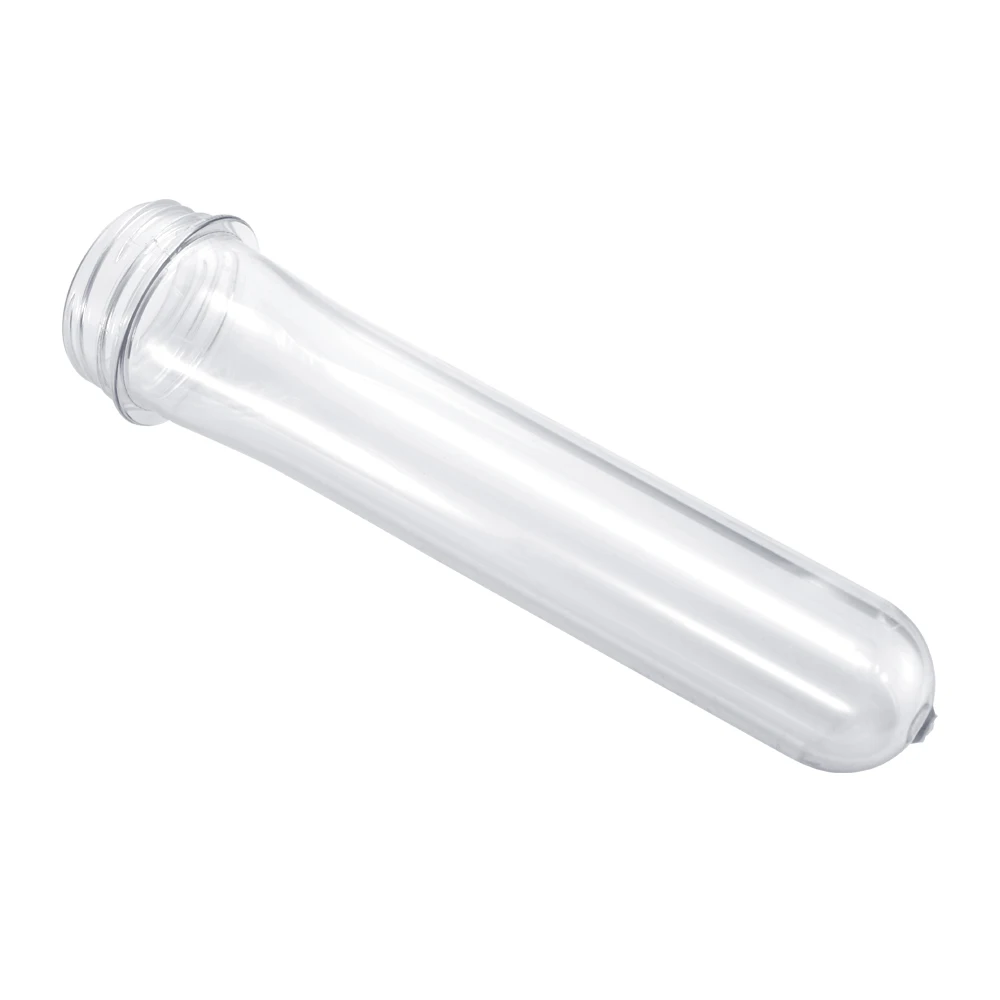
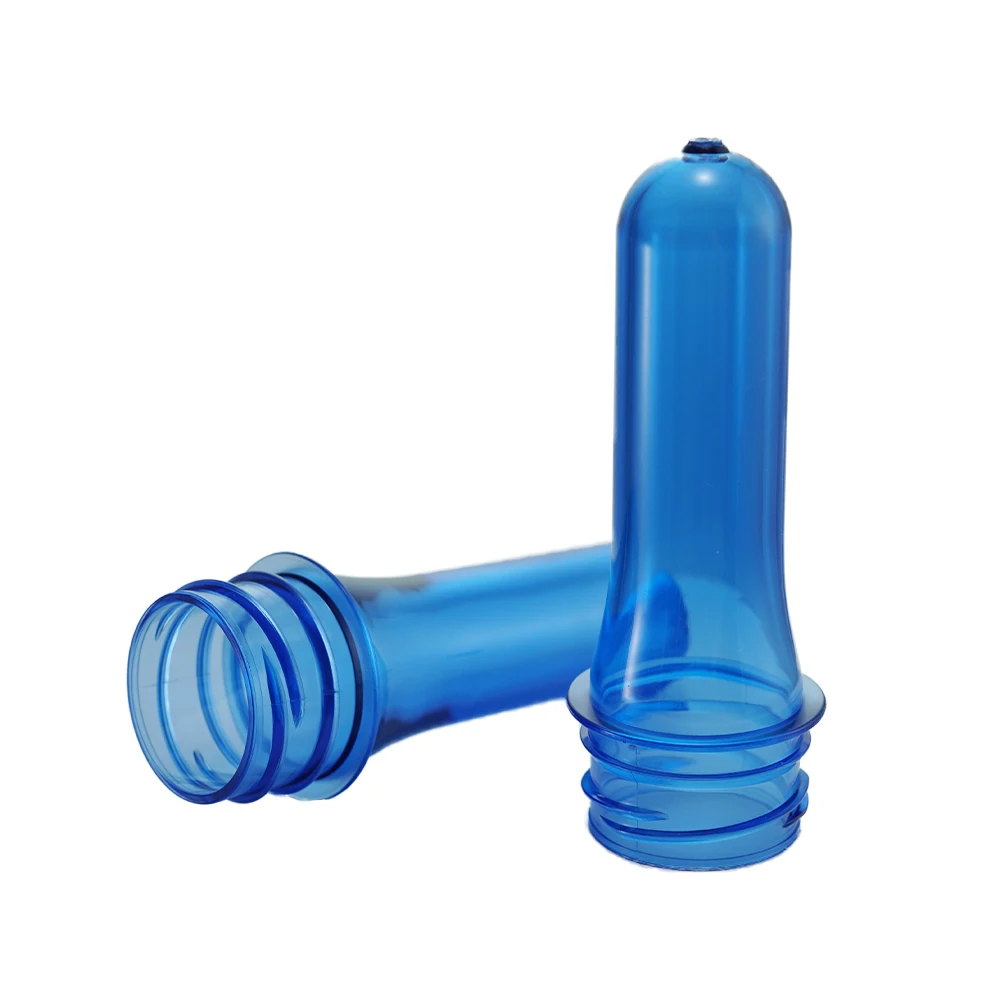
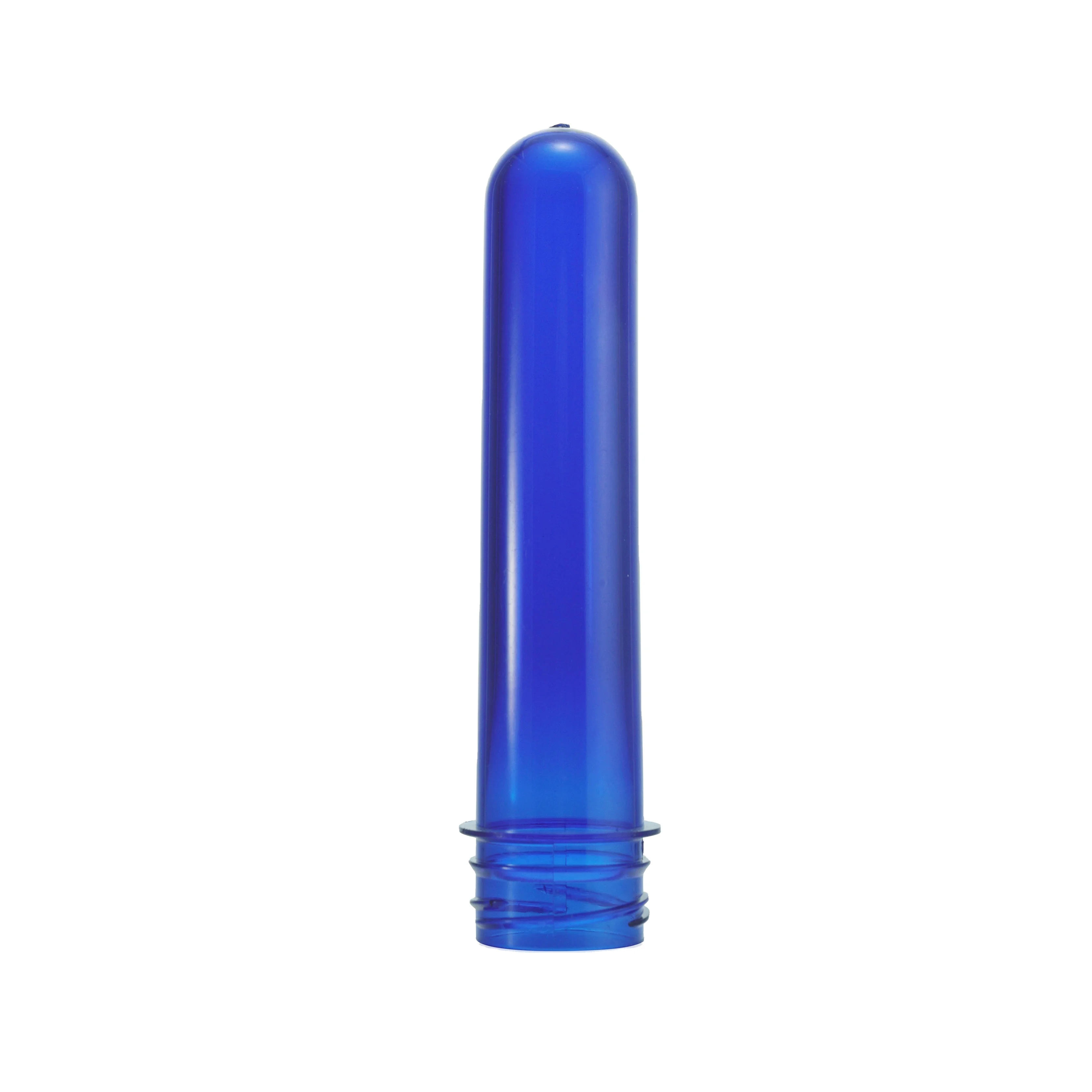
The price of PET preforms is far more than a simple figure; it serves as a core economic indicator influencing the entire packaging industry for beverages, water, edible oils, and more. Its most direct significance lies in its profound impact on manufacturers' profits. As the foundational raw material for producing finished bottles, the cost of preforms is directly factored into the total product cost. For high-volume products like bottled water and carbonated beverages, even a few cents' fluctuation in preform pricing can translate into hundreds of thousands or even millions of yuan in annual profit variations when scaled across massive production volumes. Thus, accurately tracking preform costs forms the foundation for cost control, budget planning, and procurement negotiations—directly determining a company's bottom line.
More significantly, PET preform pricing serves as a barometer for global commodity markets, particularly petrochemical feedstock prices. The primary raw materials for preforms—purified terephthalic acid (PTA) and ethylene glycol (MEG)—are derived from oil and natural gas. Consequently, fluctuations in international crude oil prices, geopolitical events, supply chain disruptions, and energy policy adjustments rapidly impact PTA and MEG market prices, ultimately reflecting in preform quotations. Monitoring preform prices equates to gauging global macroeconomic trends, enabling enterprises to anticipate cost shifts and formulate more forward-looking strategic decisions.
Moreover, preform pricing is intrinsically linked to quality and technological sophistication. Price often serves as an indirect indicator of quality and performance. Pursuing rock-bottom prices may entail hidden risks—such as higher scrap rates during bottle blowing, production line downtime, or finished bottles exhibiting insufficient strength or poor transparency. These “hidden costs” frequently outweigh initial procurement savings. Conversely, a reasonably priced, high-quality preform ensures the final product possesses excellent transparency, barrier properties (preventing carbon dioxide escape in carbonated beverages or oxidation in juices), and mechanical strength. This safeguards production efficiency and brand reputation.
In today's market, price is increasingly becoming a key driver of sustainability and innovation. Preforms made from recycled PET (rPET) materials typically carry a higher cost due to their eco-friendly attributes. Simultaneously, innovations like “lightweighting” technology (producing preforms with equivalent strength using less material) may increase the unit price per preform but reduce the cost per gram of PET material. This achieves dual objectives: controlling total costs while advancing environmental sustainability and carbon reduction. Therefore, understanding these underlying price drivers helps companies better plan and communicate their sustainability strategies.
Finally, the delivered price of preforms reflects the overall health of the supply chain, encompassing all costs from manufacturer to factory—including transportation, logistics, and tariffs. A supplier with stable, transparent pricing typically indicates a more reliable and resilient supply chain, which is crucial for ensuring production continuity and avoiding losses from supply disruptions. In summary, examining “PET preform pricing” fundamentally involves a comprehensive assessment of cost competitiveness, market trends, product quality, innovation capabilities, and supply chain stability. Deeply understanding its multifaceted implications empowers businesses to make wiser, more profitable, and sustainable strategic decisions.