Dual-Container Compatibility in Automatic Bottle Filling Machines
Design of Filling Machines for Multiple Bottle Types (PET and Glass)
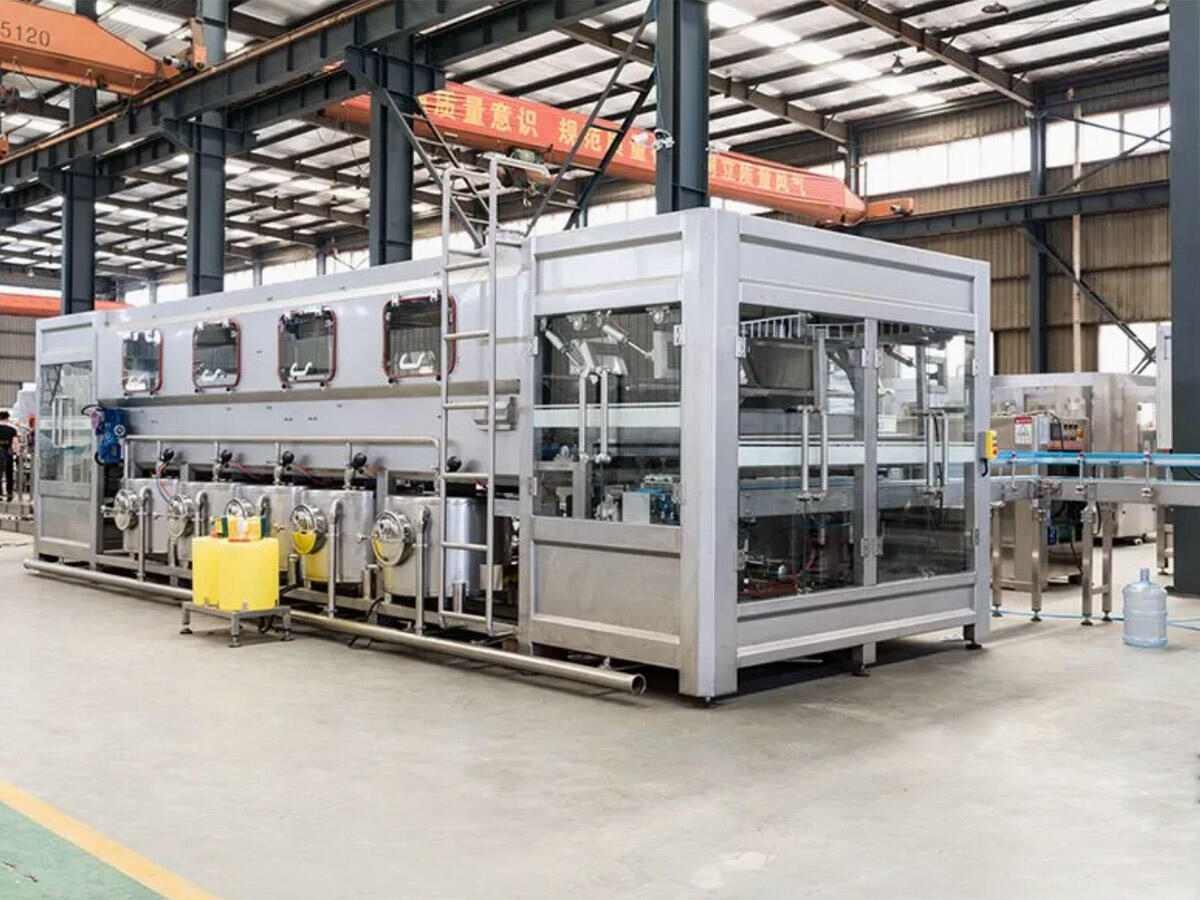
Today's automatic bottle filling equipment has gotten pretty good at switching between different container types thanks to their adaptable design. Most modern machines sit on sturdy stainless steel frames with those adjustable nozzles that can cope with the soft squishiness of PET bottles compared to the hard edges of glass containers. The sensors these machines use are really accurate too, lining up each bottle within about half a millimeter. And when it comes time to switch from one product to another, the computer controlled parts inside can tweak the fill levels in just over two seconds flat. A recent report from the Beverage Machinery folks says something like 78 percent of plants have gone for this dual compatibility approach lately because it makes sense for production efficiency. Makes me wonder if that number will keep climbing as more companies look for ways to save money without sacrificing quality.
Material Handling Challenges for PET and Glass Bottles in Automated Systems
PET bottles need special care because they tend to bend when moving along production lines, which means manufacturers often install low pressure grippers for safer transport. Glass products are completely different story though. These fragile items absolutely need shock absorbing conveyor rails just to avoid cracking during transit. For heavier glass containers, vacuum assisted lifters work wonders at keeping things stable. Meanwhile, those lighter weight PET formats benefit from retractable guide systems that provide needed support without over constraining them. Some facilities have switched to overhead conveyor systems recently, and according to Packaging Trends report from last year, this change alone cut down on PET bottle deformation issues by around forty percent across several plants.
Structural Adaptability for Varying Bottle Weights and Sizes
Glass bottles often tip the scales at around 1.2 kilograms which means production lines need those heavy duty star wheels to handle them properly. For PET bottles though, manufacturers typically go with polycarbonate guides since these plastic containers are much lighter in weight. When it comes to adjusting container heights, modern systems use servo driven mechanisms that can handle everything from tiny 15 mm containers all the way up to 330 mm ones without anyone needing wrenches or other hand tools. The real magic happens with modular counterweight setups that keep things stable no matter what volume is being filled. These systems work reliably whether filling just 50 ml samples or full 2000 ml containers, and they maintain their accuracy across different bottle sizes and materials too. Most plants find this kind of flexibility essential when dealing with mixed product runs.
Quick-Change Components Enabling Fast Switchovers Between Container Types
Tool-free clamp systems allow format changes in under 7 minutes—66% faster than legacy models. Color-coded nozzle kits and RFID-tagged fixtures automatically communicate settings to the PLC, reducing setup errors. Facilities using memory-preset changeover modules report 92% fewer alignment issues, enabling seamless transitions between products like glass spirits and PET juices.
Precision Filling Techniques for Carbonated and Non-Carbonated Beverages
Comparison of Gravity, Vacuum, and Counter-Pressure Filling Methods
Automatic filling machines primarily use three techniques:
- Gravity filling is ideal for non-carbonated beverages such as juices, achieving 99.5% fill accuracy by relying on product weight.
- Vacuum filling handles viscous liquids like syrups and oils at speeds of 150–300 BPM with ±0.5% volume consistency.
- Counter-pressure filling is standard for carbonated drinks, preserving CO₂ levels between 4.5–5.5 g/L while keeping foam formation below 1%.
A 2023 Beverage Production Study found that counter-pressure systems reduce product waste by 18% compared to gravity methods when filling carbonated beverages.
Counter-Pressure Filling for Carbonated Beverages in PET and Glass Containers
Advanced counter-pressure systems pre-pressurize bottles to 2.8–3.2 bar before filling, creating equilibrium between internal pressure and liquid flow. This method:
- Prevents CO₂ loss in PET bottles during high-speed operations (up to 12,000 BPH)
- Eliminates oxidation in glass beer bottles through inert gas purging
- Maintains consistent headspace within ±1 mm across both container types
Minimizing Foaming and Product Loss When Filling Still vs. Carbonated Drinks
Temperature-controlled filling zones minimize foaming—maintained at 1–3°C for carbonated drinks and 15–20°C for still beverages. Dual-flow valves separate liquid and gas phases during dispensing, resulting in:
| Metric | Carbonated | Non-Carbonated |
|---|---|---|
| Foam Height | <5mm | N/A |
| Product Loss | 0.8% | 0.3% |
| Recovery Time | 12s | 3s |
These features significantly reduce spillage and improve line efficiency.
Real-Time Control Systems for Accurate Fill-Level Adjustments
Ultrasonic sensors and AI-powered flow modeling compensate for minor bottle variations (±2mm) and changing liquid viscosity. As documented in a 2024 Food Engineering Report, modern control systems deliver:
- Fill accuracy of ±0.25% across 50ml–2L containers
- Carbonation consistency within ±0.15 g/L CO₂ in PET bottles
- Format changeover times under 8 minutes for glass-to-PET transitions
IoT-enabled valves update parameters every 15ms, reducing overflow incidents by 63% compared to traditional pneumatic controls.
Automation and Line Integration for Maximum Efficiency
Integrated control systems in Automatic Bottle Filling Machine workflows
PLC-based automation synchronizes rinsing, filling, and capping sequences for both PET and glass containers. By monitoring temperature and viscosity in real time, these systems automatically adjust fill volumes within ±0.5%, eliminating the need for manual recalibration across different beverages.
Synchronized conveyance and bottleneck reduction in mixed-container lines
Dual-track linear conveyors equipped with photo-eye sensors maintain precise spacing during format switches, ensuring 99.7% synchronization in hybrid production environments. This allows continuous operation when alternating between small glass bottles (330ml) and large PET containers (2L), preventing bottlenecks.
Energy-saving configurations and high-speed performance up to 12,000 bottles/hour
Variable frequency drives cut energy consumption by 18% during partial loads while sustaining output rates of 12,000 containers per hour. Rotary filler designs with optimized cam profiles reduce mechanical motion waste by 23% compared to older reciprocating systems, enhancing both speed and sustainability.
Predictive maintenance and data-driven optimization: Reducing downtime by 30%
Vibration sensors detect bearing wear 72+ hours before failure, and fill-weight trend analysis identifies seal degradation early. These predictive tools, supported by data analytics, lower unplanned downtime by 30% in bottling plants (Industry Report 2023).
Modular design for plug-and-play integration with upstream and downstream units
Standardized M12 connectors and ETHERNET/IP protocols enable integration with existing palletizers, labelers, and shrink-wrappers in under three hours. Quick-disconnect filler heads and tool-less rail adjustments reduce format changeovers to just 11 minutes, maximizing operational agility.
End-to-End Production: From Filling to Packaging and Labeling
Modern Automatic Bottle Filling Machine systems integrate cleaning, filling, capping, and labeling into unified workflows. Industry studies show this integration reduces contamination risks by 63% compared to manual handling (Vanguard Packaging 2023). Servo-driven actuators and machine vision ensure ±0.5ml fill accuracy across PET and glass containers, supporting end-to-end consistency.
Adapting Fill Parameters for Wine, Juice, Water, and Soft Drinks
Fill methods vary based on beverage characteristics. For instance:
| Beverage Type | Fill Method | Temperature Control | Foam Reduction Tech |
|---|---|---|---|
| Wine | Gravity + Nitrogen | 12-18°C | Vacuum chambers |
| Carbonated | Counter-pressure | 4-7°C | Snorkel tube design |
Real-time viscosity sensors dynamically adjust flow rates—from 200ml/s for water to 85ml/s for thick juices—minimizing product waste and optimizing throughput.
Case Study: Full Line Deployment Cutting Labor Costs by 45%
A 2023 automation case study revealed that integrated bottling lines reduced staffing needs from 12 to 3 operators per shift in a juice production facility. The upgrade delivered:
- 85% faster changeovers (4 minutes vs. 25 minutes)
- 29% higher throughput (8,400 bottles/hour)
- 72 fewer downtime events monthly
This demonstrates how full-line automation improves efficiency and lowers operating costs.
Advancements in Filling Machine Technology
The team at Zhangjiagang Links Machine recently rolled out some pretty impressive servo-driven capping machines that can manage more than fifteen different closure types without needing any physical adjustments to the machinery itself. What really stands out though are their combined filling and capping systems which come with built-in vision technology. Independent tests showed these systems cut down on labeling mistakes by almost 90%, which makes a huge difference when talking about production quality control. Another cool feature is how these machines have modular designs that let manufacturers upgrade old equipment lines with smart sensors. This means companies can track overall equipment effectiveness in real time while getting extra years out of their existing machinery and seeing noticeable improvements in how well everything runs day to day.
FAQ Section
What is the advantage of dual-container compatibility in bottle filling machines?
Dual-container compatibility allows the equipment to efficiently switch between different bottle types, such as PET and glass, enhancing production flexibility and cost-effectiveness by accommodating various product runs without sacrificing quality.
How do modern filling machines manage different bottle weights and sizes?
Modern systems utilize servo-driven mechanisms and modular counterweight setups, enabling them to adjust for multiple container heights and weights efficiently, ensuring stability and fill accuracy.
What are the benefits of counter-pressure filling methods for carbonated beverages?
Counter-pressure filling preserves CO₂ levels and minimizes foaming by pre-pressurizing the bottles, reducing product waste and ensuring consistent quality in both PET and glass containers.
How do integrated control systems improve bottling efficiency?
PLC-based automation synchronizes key processes, such as rinsing, filling, and capping, automatically adjusting for temperature and viscosity variations to enhance fill accuracy and eliminate manual recalibration needs.
What advancements have been made in filling machine technology?
Recent developments include servo-driven capping machines and combined filling and capping systems with built-in vision technology, significantly reducing labeling errors and enhancing production quality control.
Table of Contents
- Dual-Container Compatibility in Automatic Bottle Filling Machines
- Precision Filling Techniques for Carbonated and Non-Carbonated Beverages
-
Automation and Line Integration for Maximum Efficiency
- Integrated control systems in Automatic Bottle Filling Machine workflows
- Synchronized conveyance and bottleneck reduction in mixed-container lines
- Energy-saving configurations and high-speed performance up to 12,000 bottles/hour
- Predictive maintenance and data-driven optimization: Reducing downtime by 30%
- Modular design for plug-and-play integration with upstream and downstream units
- End-to-End Production: From Filling to Packaging and Labeling
-
FAQ Section
- What is the advantage of dual-container compatibility in bottle filling machines?
- How do modern filling machines manage different bottle weights and sizes?
- What are the benefits of counter-pressure filling methods for carbonated beverages?
- How do integrated control systems improve bottling efficiency?
- What advancements have been made in filling machine technology?