How High-Speed Water Filling Machines Achieve Scalable, Reliable Output
Precision Gravity and Servo-Controlled Filling: Enabling 20,000–36,000 BPH Without Sacrificing Consistency
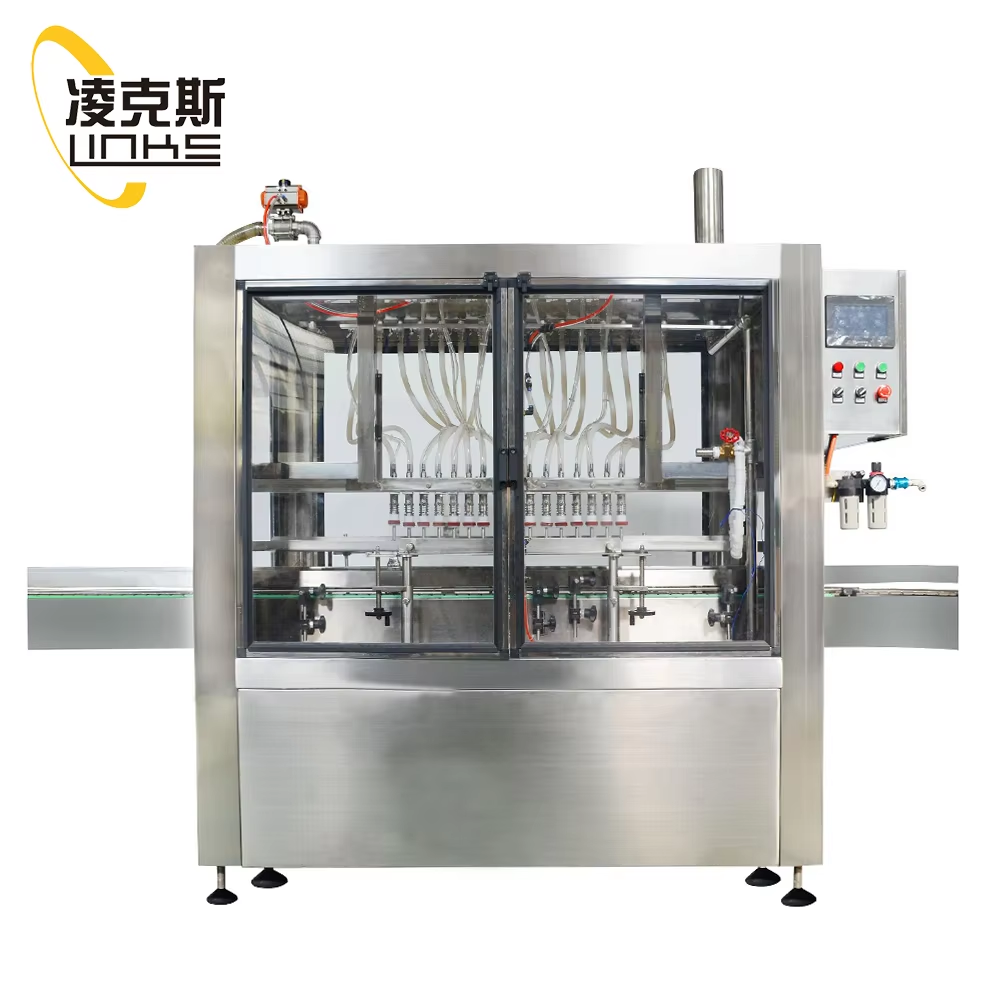
Modern water filling equipment blends gravity reservoirs with precision servo actuators, capable of handling around 20k to 36k bottles each hour while keeping volume accuracy within about quarter of a percent even when running at maximum speed. These systems differ from traditional pump setups because they avoid those annoying pressure issues that lead to either too much liquid or too little, plus all that pesky foaming problem. The machines actually have these real time sensors and load cells constantly watching the flow rate, sending information back to PLC controllers which then tweak the valves as needed. Bottlers see something like 95% less variation in fills compared to older pneumatic systems, plus better protection for containers made from PET, glass, or HDPE materials against things like oxidation damage. And let's not forget the money savings aspect either. Industry reports from last year show that cutting down just 1% overfill waste translates to roughly forty grand saved every year on a single production line for companies dealing with large volumes.
Resolving the Speed–Hygiene Paradox: Integrated Sterilization and Non-Contact Filling Design
Water filling machines today manage to balance speed with safety thanks to three key hygiene features built right into their design. The first is these CIP and SIP systems that run approved cleaning agents throughout every part that touches the product. They knock out almost all microbes at around 99.99% efficiency and do it without taking anything apart. Next up are those nozzles that don't actually touch the bottles during filling. Instead they position themselves just half a millimeter away from the bottle opening using infrared tech, which stops those pesky biofilms from forming anywhere there might be contact. And finally there's this sterile air curtain system that keeps blowing clean air over the whole filling area. Plants that have installed this setup consistently get full marks on their hygiene checks from outside auditors. What's really impressive is how these machines maintain such high standards while still keeping production speeds up to 36 thousand bottles per hour.
Seamless Integration of the Water Filling Machine into End-to-End Production Lines
Synchronized Workflow: From Bottle Infeed to Sealing–How Real-Time Sensor Feedback Eliminates Bottlenecks
Getting high speed water bottling right means everything works together smoothly from when bottles first enter the system all the way through to sealing. These days most advanced bottling lines have sensors installed at every key point along the production chain including where bottles come in, during filling, when caps go on, labels get applied, and finally sealing. All these sensors track important stuff like where each bottle is positioned, how full it gets, how tight those caps are secured, and whether conveyors stay properly aligned. The information collected goes straight to central control units which then tweak speeds and timing as needed. Take for instance when capping stations notice bottles arriving late, they'll actually tell the labeling machines to slow down just enough to avoid problems. With this kind of responsive feedback loop, manufacturers can maintain around 99.8% efficiency even at impressive rates of 30,000 bottles per hour. They manage this by stopping issues like jammed lines, misplaced bottles, or slowdowns between processes. What really makes a difference though is the special nozzles used in water filling machines. These designs allow continuous pouring without interruption, keeping spillage below 0.1% and maintaining fill levels accurate to within plus or minus 1 milliliter. This setup lets plants scale up production without needing extra hands or sacrificing speed.
Meeting Global Hygiene and Accuracy Standards in High-Speed Water Bottling
CIP/SIP Compatibility, ISO 22000 Validation, and Sterile Zone Engineering in Modern Water Filling Machines
Compliance with global food safety standards is embedded–not bolted on–in today’s high-speed water filling machines. Three core engineering pillars ensure consistency and regulatory readiness:
- CIP/SIP automation, which delivers repeatable, validated sterilization cycles without manual disassembly–reducing microbial risk by 99.9% (2024 food safety audit data);
- ISO 22000-aligned component design, ensuring every element–from filler nozzles to conveyor belts–meets HACCP-defined critical control points; and
- Sterile zone engineering, using positive-pressure air filtration (99.97% particulate capture) and antimicrobial seals to isolate the filling chamber from ambient contaminants.
Together, these systems enable sustained 30,000 BPH operation while meeting FDA, EU 1935/2004, and WHO drinking water quality requirements–contributing to a 78% reduction in recalls for purified water lines, per independent validation studies.
Selecting the Right Water Filling Machine: Key Evaluation Criteria for Large-Scale Operations
For large-volume bottling plants, selecting the right water filling machine demands rigorous evaluation across five interdependent criteria:
- Production Capacity Alignment: Match machine throughput (20,000–36,000 BPH) precisely to facility targets. Under-specification creates systemic bottlenecks–costing up to $740k annually in lost productivity, per Ponemon Institute 2023 analysis.
- Hygiene Certification Readiness: Prioritize machines engineered for seamless CIP/SIP integration and full ISO 22000 validation–not retrofitted add-ons–to mitigate microbial risk and audit failures.
- Automation Maturity: Fully servo-controlled fillers cut labor costs by 30% versus semi-automatic models in high-throughput environments, while improving repeatability and reducing human error.
- Container Flexibility: Verify compatibility with diverse materials (PET, glass, HDPE) and shapes–including wide-mouth, tapered, or lightweight bottles–without requiring mechanical reconfiguration or production stoppages.
- Total Lifecycle Value: Go beyond upfront cost. Evaluate energy consumption, predictive maintenance capabilities, spare parts availability, and modular scalability–plants applying this holistic lens achieve 95% operational uptime and maintain fill accuracy within ±0.5% variance across shifts and product changes.
FAQ
What are the advantages of precision gravity and servo-controlled filling?
Precision gravity and servo-controlled filling offer high-speed bottling while ensuring volume accuracy, minimizing wastage, and reducing pressure-related issues that can cause overfilling or underfilling.
How do modern water filling machines maintain hygiene at high speeds?
Modern machines use integrated sterilization systems such as CIP and SIP, along with non-contact filling technologies to maintain hygiene without compromising speed, achieving efficiency rates of up to 99.99%.
What criteria should large-scale bottling plants consider when selecting a water filling machine?
Large-scale plants should consider production capacity alignment, hygiene certification readiness, automation maturity, container flexibility, and total lifecycle value when selecting water filling machines.
Table of Contents
- How High-Speed Water Filling Machines Achieve Scalable, Reliable Output
- Seamless Integration of the Water Filling Machine into End-to-End Production Lines
- Meeting Global Hygiene and Accuracy Standards in High-Speed Water Bottling
- Selecting the Right Water Filling Machine: Key Evaluation Criteria for Large-Scale Operations
- FAQ