
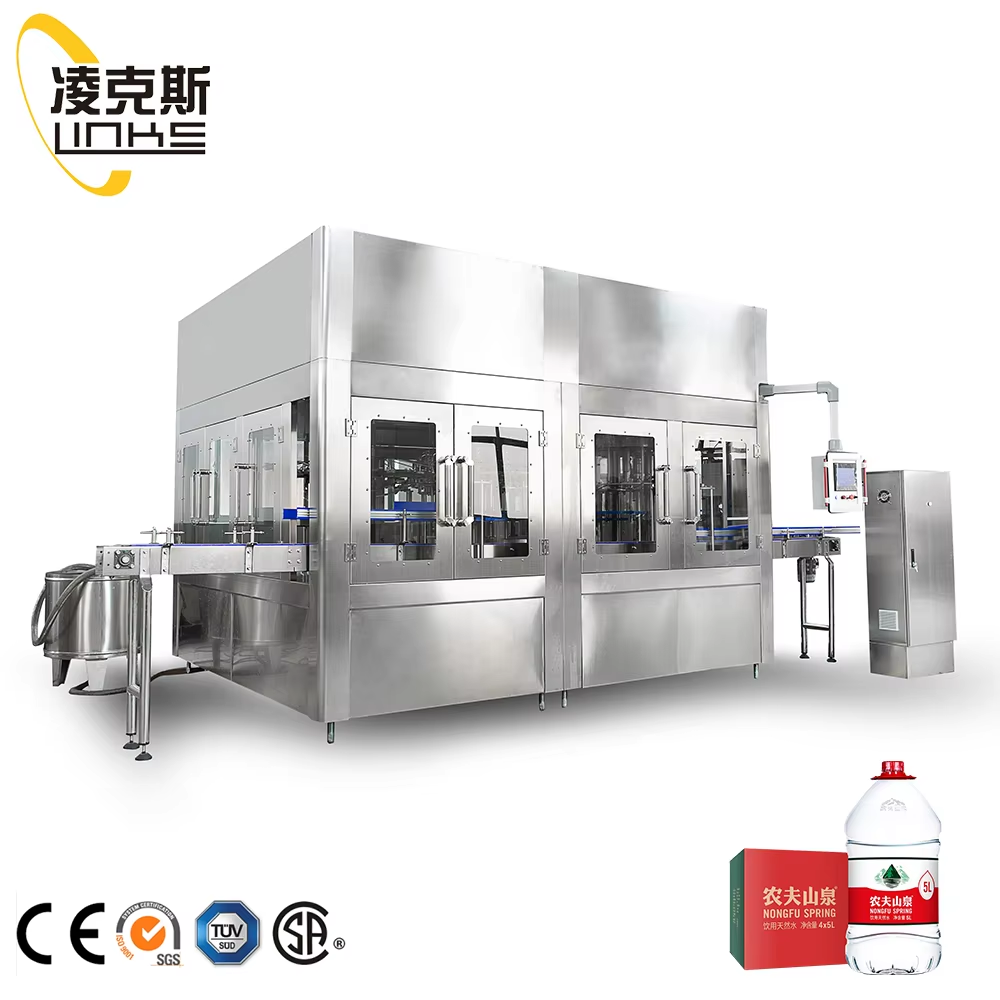
How Energy-Saving Water Filling Machines Cut Power Use Without Sacrificing Output
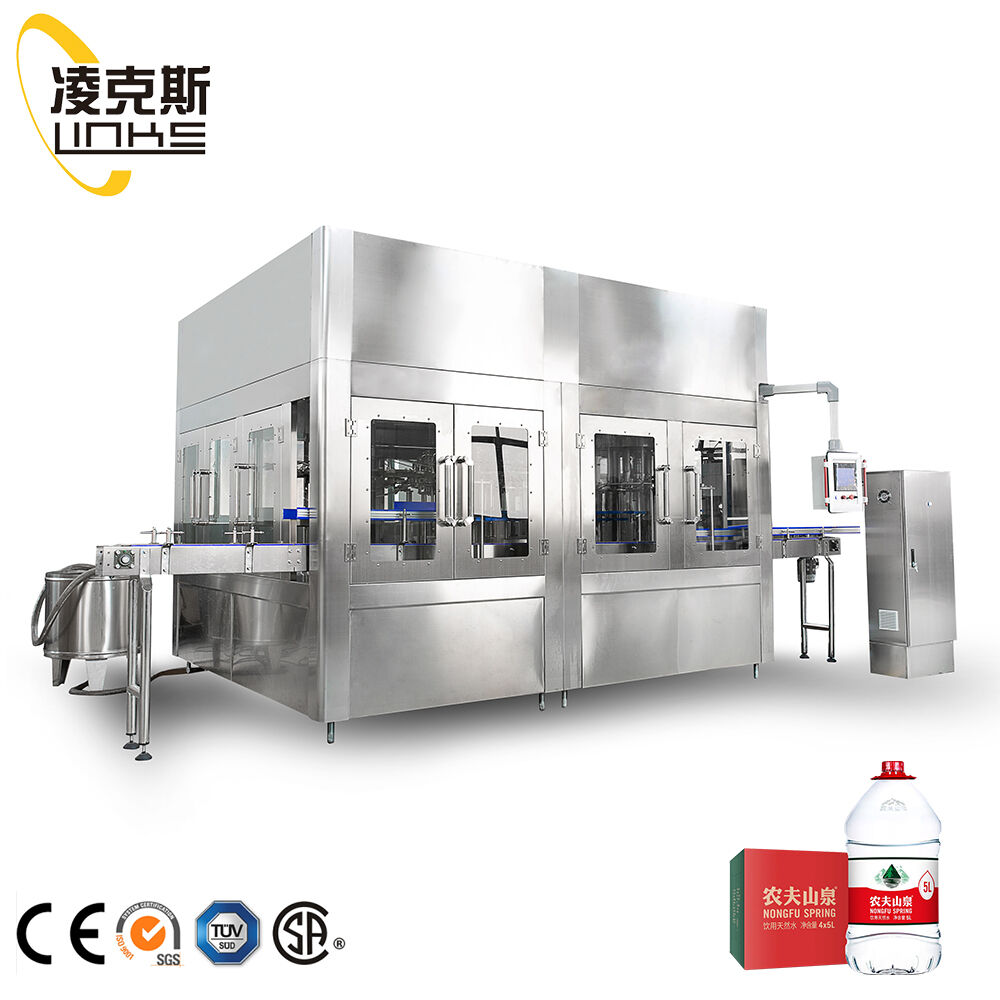
Isobaric and Gravity Filling: Low-Energy Alternatives to Pressure-Driven Systems
Isobaric filling keeps pressure steady so liquids flow smoothly without needing those big energy guzzling pumps. Gravity filling works differently it uses height differences to move products naturally from one place to another. Both approaches cut down on electricity use somewhere around 40 to 50 percent when compared with older pressure based systems. They also get rid of the need for heavy duty pumps which means less wear and tear on equipment over time. What's really impressive is how these techniques handle large volumes say about 2000 bottles every hour while still getting fills right and keeping things moving at good pace. These are basic building blocks for today's water filling machines that save energy. Manufacturers find them useful because they work well whether producing just a few batches or running full scale operations day after day.
Smart Power Management via VFDs and Load-Sensing Motors
VFDs or Variable Frequency Drives work by changing how fast motors run according to what's actually needed at any given moment, which means no wasted energy when machines are just sitting there doing nothing. These systems work hand in hand with load sensing motors that adjust torque depending on things like bottle weight and how much liquid goes inside them, so they don't eat up extra power when there's not much going on. According to various studies in the field, simply installing VFDs can reduce motor energy consumption somewhere between 20% and 30%. Add load sensing tech into the mix and factories report improvements in their overall efficiency of around 25% give or take. The result? Machines keep producing consistently good results without burning through unnecessary electricity, making these setups great for businesses looking to scale up or down as markets change and customer needs evolve.
PET vs. Glass Compatibility: Engineering an Energy-Saving Water Filling Machine for Dual-Format Lines
Mechanical Adaptations for Thermal Expansion, Weight, and Fragility
Water filling machines that save energy tackle the basic material challenges by designing specifically for different materials rather than trying to retrofit existing systems. When it comes to PET bottles, they actually expand about half a tenth of a percent for every degree Celsius increase in temperature. That means the nozzles need special adjustments to handle these changes without letting water leak out when temperatures swing around. Glass is totally different though. The expansion rate is basically nothing compared to PET at just 0.0009% per degree, but what glass lacks in expansion it makes up for in weight. A glass container weighs five times what a similar sized PET bottle does, so manufacturers have to reinforce their equipment and install protective barriers against breakage. The smart fill heads on these machines adjust pressure automatically depending on what kind of container they're dealing with. For flexible PET, the pressure stays low around 0.8 pounds per square inch, but jumps up to 3.2 psi for rigid glass containers. These specific modifications keep energy waste below half a percent when switching between formats while still keeping products safe throughout the process.
Low-Breakage Glass Handling Through Precision Pressure Control and Gentle Conveyance
The latest vacuum pressure hybrid systems can hit around 99.3% fill accuracy even at only 12 PSI, which is about 60% less pressure than what traditional glass filling equipment requires. This drop in pressure helps eliminate those dangerous hydraulic surges that often cause unexpected energy spikes throughout the facility. The system includes servo driven rollers covered in soft microfiber material that keeps impact forces below 2G when moving glasses along the line. At the same time, 3D vision technology guides each piece into perfect position right before it gets capped. Special variable frequency drive controlled grippers adjust their grip strength on the fly based on thickness measurements taken as items pass through. All these innovations work together to cut down overall energy usage by roughly 28%, all while maintaining impressive throughput rates of 400 bottles per minute. So despite dealing with fragile materials, manufacturers don't have to sacrifice speed or productivity anymore.
3-in-1 Integrated Architecture: Maximizing Energy Efficiency in Washing-Filling-Capping
The 3-in-1 design of energy saving water filling machines brings together washing, filling, and capping functions all within one compact system. This setup cuts down on those pesky transfer losses between different machines while also making everything easier to maintain and control. What really makes these systems stand out though is how they recycle resources across stages. After rinse water gets filtered, it goes right back into the pre-wash cycle, which means factories can save anywhere from 30 to almost half their fresh water usage. Thermal energy from sterilization steam isn't wasted either it heats up the incoming wash water through special heat exchangers. Even when motors slow down, there's value captured there too regenerative braking turns kinetic energy back into electricity, dropping overall power consumption by around 12 to 18 percent according to recent studies published last year. All these efficiencies mean lower energy bills per bottle produced without any compromise on production speed or meeting strict hygiene standards.
Scalable and Future-Ready Design: Modular Energy-Saving Water Filling Machine Solutions
Beverage manufacturers can grow their production capacity step by step thanks to modular design approaches. Some setups even allow output expansion of around three times without needing to replace whole production lines or stop current operations. The system relies on standardized parts that work like building blocks - think about those interchangeable filling heads, servo controlled conveyors, and nozzles that change quickly when needed. These components help maintain consistent product flow regardless of configuration changes. Switching from old style pneumatic systems to modern servo electric ones saves about 40% in energy costs. Variable frequency drives adjust power supply based on what's actually needed at any given moment, cutting down wasted energy during slow seasons or lower demand periods. Looking ahead, smart factory designs come equipped with internet connected sensors that predict when maintenance is required, which cuts unexpected breakdowns by roughly a quarter. Plus these systems are built with compatibility in mind so they can easily incorporate new technologies like artificial intelligence optimizations and digital twin simulations without tearing apart existing infrastructure.
FAQ
What is the benefit of using isobaric and gravity filling systems?
Isobaric and gravity filling systems reduce electricity consumption by 40 to 50% compared to traditional pressure-based systems.
How do VFDs contribute to energy-saving?
VFDs adjust motor speeds based on actual need, reducing wasted energy significantly, leading to an energy reduction of 20% to 30%.
What are the challenges with PET vs. Glass in water filling machines?
PET needs special nozzle adjustments to handle temperature-induced expansion, while glass requires reinforced equipment due to weight concerns.
How does the 3-in-1 design improve efficiency?
The 3-in-1 architecture integrates washing, filling, and capping functions, reducing transfer losses and recycling resources to save up to 50% on water usage.
Table of Contents
- How Energy-Saving Water Filling Machines Cut Power Use Without Sacrificing Output
- PET vs. Glass Compatibility: Engineering an Energy-Saving Water Filling Machine for Dual-Format Lines
- 3-in-1 Integrated Architecture: Maximizing Energy Efficiency in Washing-Filling-Capping
- Scalable and Future-Ready Design: Modular Energy-Saving Water Filling Machine Solutions
- FAQ