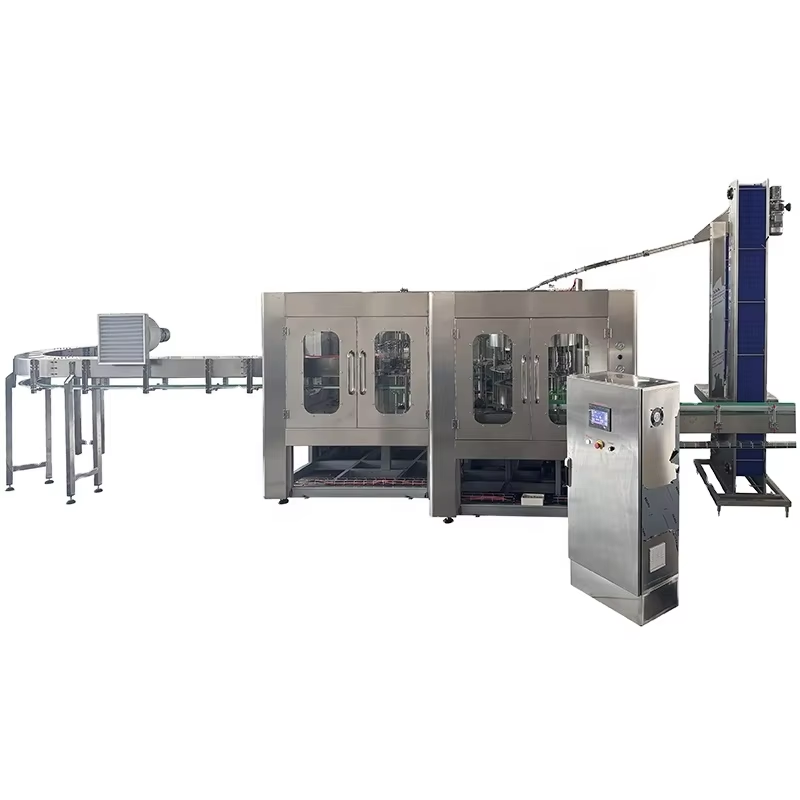
ເປັນຫຍັງຂວດທີ່ມີຂະໜາດຕ່າງໆຈຶ່ງຕ້ອງການແຖວການບັນຈຸເຂົ້າຂວດເຄື່ອງດື່ມທີ່ຖືກອອກແບບໃໝ່
ຄວາມຕ້ອງການທີ່ເພີ່ມຂຶ້ນຂອງຜູ້ບໍລິໂພກຕໍ່ຂວດນ້ອຍ, ຂວດ PET ທີ່ເປັນມິດຕໍ່ສິ່ງແວດລ້ອມ ແລະ ຮູບແບບທີ່ເໝາະສຳລັບການນຳໄປກິນ/ດື່ມໃນເວລາເດີນທາງ
ຄວາມມັກຂອງຜູ້ບໍລິໂພກກຳລັງປ່ຽນແປງໄປຢ່າງຊັດເຈນເຂົ້າຫາຮູບແບບການຫຸ້ມຫໍ່ທີ່ຫຼາກຫຼາຍ - ລວມທັງຂວດນ້ອຍ, ຂວດ PET ທີ່ເບົາແລະເປັນມິດຕໍ່ສິ່ງແວດລ້ອມ, ແລະ ຂະໜາດທີ່ເໝາະສຳລັບການນຳໄປກິນ/ດື່ມດຽວເທື່ອ. ມີຫຼາຍກວ່າ 50% ຂອງຜູ້ຜະລິດເຄື່ອງດື່ມໃນປັດຈຸບັນທີ່ຕ້ອງການອຸປະກອນທີ່ສາມາດຈັດການກັບຂວດທີ່ມີປະລິມານຕ່ຳກວ່າ 500 ມລ. ອີງຕາມ ລາຍງານການນະວັດຕະກຳດ້ານການຫຸ້ມຫໍ່ເຄື່ອງດື່ມປີ 2023 ໂດຍ Smithers. ຄວາມຕ້ອງການນີ້ສະທ້ອນເຖິງແນວໂນ້ມທີ່ກວ້າງຂວາງຂຶ້ນໃນດ້ານຄວາມຍືນຍົງ, ການຄວບຄຸມປະລິມານ, ແລະ ຄວາມສະດວກສະບາຍ—ແຕ່ມັນທ້າທາຍໂຄງສ້າງການບັນຈຸທີ່ມີຢູ່ເດີມໂດຍກົງ. ເສັ້ນຜະລິດດັ້ງເດີມ ຖືກອອກແບບມາສຳລັບການຜະລິດຈຳນວນຫຼາຍຂອງຂວດມາດຕະຖານ 500–750 ມລ. ຂອງ PET ຫຼື ຂວດແກ້ວ ແຕ່ບໍ່ມີຄວາມຫຼື້ນເຮັດໃຫ້ສາມາດປ່ຽນໄປລະຫວ່າງ SKU ຕ່າງໆ ທີ່ມີຄວາມສູງ, ເສັ້ນຜ່າສູນກາງ, ຮູບຮ່າງເບື້ອງລຸ່ມ, ແລະ ຄຸນສົມບັດຂອງວັດສະດຸທີ່ແຕກຕ່າງກັນໄດ້ຢ່າງມີປະສິດທິພາບ. ຜົນທີ່ໄດ້ຮັບແມ່ນເວລາທີ່ໃຊ້ໃນການປ່ຽນແປງເສັ້ນຜະລິດເພີ່ມຂຶ້ນ, ຄວາມສ່ຽງທີ່ຈະເກີດການສົ່ງຜິດ ຫຼື ການຕື່ມທີ່ບໍ່ຖືກຕ້ອງເພີ່ມຂຶ້ນ, ແລະ ປະສິດທິພາບຂອງເສັ້ນຜະລິດຫຼຸດລົງ—ເຮັດໃຫ້ການອອກແບບໃໝ່ຢ່າງເລິກເຊິ່ງບໍ່ພຽງແຕ່ເປັນປະໂຫຍດເທົ່ານັ້ນ, ແຕ່ຍັງເປັນສິ່ງຈຳເປັນດ້ານການດຳເນີນງານ.
ຄວາມທ້າທາຍດ້ານການດຳເນີນງານ: ການຄວບຄຸມຄວາມໄວ, ຄວາມຫຼື້ນ, ແລະ ຄວາມບໍລິສຸດ
ການປັບຕົວໃຫ້ເຂົ້າກັບຂະໜາດຂອງຂວດທີ່ແຕກຕ່າງກັນ ນຳມາສູ່ຂໍ້ຈຳກັດດ້ານການດຳເນີນງານທີ່ເຊື່ອມຕໍ່ກັນຢ່າງໃກ້ຊິດສາມດ້ານ: ຄວາມໄວໃນການຜະລິດ, ຄວາມຫຼື້ນໄຫຼທາງກົ່າຍ, ແລະ ຄວາມປອດໄພດ້ານສຸຂາພັບ. ການເຕີມຂອງທີ່ມີຄວາມໄວສູງຕ້ອງຮັກສາຄວາມຖືກຕ້ອງຢ່າງເຂັ້ມງວດເຖິງແມ່ນວ່າຮູບຮ່າງຈະບໍ່ເປັນປົກກະຕິ—ເປັນສິ່ງທີ່ສຳຄັນຢ່າງຍິ່ງສຳລັບເຄື່ອງດື່ມທີ່ມີກາຊີນ, ເຊິ່ງການປັບຄວາມຫວ່າງເທິງ (headspace) ຫຼື ປະລິມານການເຕີມທີ່ບໍ່ເທົ່າທຽນກັນຈະສົ່ງຜົນຕໍ່ການຮັກສາກາຊີນ ແລະ ຄວາມສະຖຽນຂອງຜະລິດຕະພັນໃນເວລາເກັບຮັກສາ. ການປັບຄ່າລະບົບກົ່າຍໃໝ່ເມື່ອປ່ຽນຮູບແບບຂອງຂວດມັກຈະຕ້ອງມີການເຂົ້າໄປຈັດການດ້ວຍມື, ເຊິ່ງເຮັດໃຫ້ເວລາການປ່ຽນແປງເຄື່ອງຈັກເສັ້ນທັງໝົດເພີ່ມຂຶ້ນເຖິງ 40% ຕາມຂໍ້ມູນຈາກ ສະຖິຕິສຳຫຼັບປີ 2024 ຂອງສະຖາບັນຜູ້ຜະລິດເຄື່ອງຈັກດ້ານການຫໍ່ຫຸ້ມ (PMMI) ໃນຂະນະດຽວກັນ ການອອກແບບຖັງທີ່ບໍ່ມາດຕະຖານ—ເຊັ່ນ: ຖັງ eco-PET ທີ່ມີຮູບຮ່າງປັບຕາມຮ່າງກາຍ ຫຼື ຖັງອາລູມິເນີ້ມທີ່ມີເນື້ອພື້ນເປັນເຄື່ອງໝາຍ—ຈະສ້າງເປັນຊ່ອງທີ່ເຮັດຄວາມສະອາດໄດ້ຍາກ ເຊິ່ງເພີ່ມຄວາມສ່ຽງຕໍ່ການເກີດຈຸລັງຊີວະຖ້າບໍ່ໄດ້ຮັບການຈັດການໃນຂະບວນການອອກແບບເສັ້ນຜະລິດ. ການບູລະນາການລະບົບການຕິດຕາມທີ່ເຊື່ອມຕໍ່ກັບອິນເຕີເນັດຂອງທຸກສິ່ງ (IoT) ໄດ້ພິສູດວ່າມີປະສິດທິຜົນໃນການຫຼຸດຜ່ອນຄວາມສ່ຽງດັ່ງກ່າວ: ຂໍ້ມູນປ້ອນກັບຄືນຈາກເຊັນເຊີເປັນເວລາຈິງກ່ຽວກັບອຸນຫະພູມການເຮັດໃຫ້ເປັນຢາງ, ຄວາມກົດດັນຂອງການລ້າງ, ແລະ ຄວາມຊື້ນຂອງສິ່ງແວດລ້ອມ ຊ່ວຍຮັກສາຄວາມສອດຄ່ອງຕາມຂໍ້ກຳນົດຂອງ FDA ແລະ EFSA ແລະ ຫຼຸດຄວາມສ່ຽງຈາກການປົນເປືືອນຈຸລັງຊີວະລົງ 42% ເຊິ່ງໄດ້ຮັບການຢືນຢັນໃນວາລະສານທີ່ ວາລະສານວິສາວະກຳອາຫານ (2023).
ສະຖາປັດຕະຍະກຳການບໍ່ລີກນ້ຳອັດເປັນເຄື່ອງດື່ມທີ່ມີຄວາມຍືດຫຸ່ນສູງ ເພື່ອການປ່ຽນ SKU ຢ່າງລຽບງ່າຍ
ໂມດູນການຕື່ມເຕັມທີ່ສາມາດເຊື່ອມຕໍ່ໄດ້ທັນທີ ພ້ອມຫົວຕື່ມທີ່ປັບຄ່າອັດຕະໂນມັດ
ເສັ້ນການບໍລິການຂອງເຄື່ອງດື່ມທີ່ທັນສະໄໝໃຊ້ໂມດູນເຕີມຂວາງທີ່ຖືກອອກແບບຢ່າງເປັນລະບົບເພື່ອໃຫ້ເຂົ້າກັນໄດ້ຢ່າງແທ້ຈິງ—ມາພ້ອມກັບການຕິດຕັ້ງລ່ວງໆ ແລະ ການປັບຄ່າລ່ວງໆ ແລະ ມີຄວາມເຂົ້າກັນໄດ້ກັບສະຖານທີ່ທາງກົກ ແລະ ສະຖານທີ່ທາງໄຟຟ້າທີ່ມາດຕະຖານ. ຜູ້ປະຕິບັດການສາມາດປ່ຽນຫຼືເພີ່ມໂມດູນໃໝ່ໄດ້ພາຍໃນ 15 ນາທີ, ເຮັດໃຫ້ການຂຽນໂປຣແກຣມໃໝ່ ແລະ ການຈັດຕັ້ງທາງກົກທີ່ໃຊ້ເວລາຫຼາຍຊົ່ວໂມງຫຼຸດລົງ. ແຕ່ລະໂມດູນມີຫົວເຕີມທີ່ປັບຄ່າອັດຕະໂນມັດ ເຊິ່ງປັບຕົວຢ່າງເປັນໄປໄດ້ຕາມຄຸນສົມບັດເฉະເພາະຂອງຜະລິດຕະພັນ—ລວມທັງຄວາມໜືດ, ການອັດຕາການເຕີມ CO₂, ແລະ ອຸນຫະພູມ—ເພື່ອຮັບປະກັນຄວາມຖືກຕ້ອງໃນການເຕີມທີ່ຄົງທີ່ພາຍໃນ ±0.5% ໃນທຸກໆຮູບແບບ. ສິ່ງນີ້ເຮັດໃຫ້ການຕັ້ງຄ່າດ້ວຍວິທີທົດລອງແລະຂໍ້ຜິດພາດດ້ວຍຕົວເອງຫຼຸດລົງ ແລະ ຮັກສາປະສິດທິພາບໃນຄວາມໄວສູງ (ເຖິງ 1,000 bpm) ໂດຍບໍ່ຕ້ອງເສຍຄວາມຖືກຕ້ອງ. ຢ່າງສຳຄັນ, ໂມດູນເຫຼົ່ານີ້ສາມາດໃຊ້ໄດ້ທັງກັບການເຕີມເຢັນ ແລະ ການນຳໃຊ້ຮ່ວມກັບ HPP, ເຮັດໃຫ້ເປັນທີ່ເໝາະສົມສຳລັບການພັດທະນາຕໍ່ໄປຂອງເຄື່ອງດື່ມທີ່ບໍ່ມີເຊື້ອແລະເຄື່ອງດື່ມທີ່ມີຄຸນປະໂຫຍດ.
ເຄື່ອງສົ່ງທີ່ຖອດອອກໄດ້ຢ່າງວ່ອງໄວ ແລະ ລ້ອມດາວທີ່ປັບໄດ້ສຳລັບຂວາງ PET, ກາເວັດ, ແລະ ອາລູມິເນີ້ມທີ່ມີຄວາມຈຸ 150–750 mL
ເພື່ອຮັບໃຊ້ຮູບແບບໃໝ່ທັງໝົດ—ຈາກຖັງສຳລັບອະລູມິເນຍມ 150 ມລ. ຈົນເຖິງຂວດແກ້ວຄຸນນະພາບສູງ 750 ມລ.—ເຄື່ອງສົ່ງແບບປັບໄດ້ (modular conveyors) ແລະ ລ້ອມແບບດາວ (starwheels) ຈຶ່ງເປັນມາດຕະຖານໃນປັດຈຸບັນ. ສ່ວນຂອງເຄື່ອງສົ່ງທີ່ຖອນອອກໄດ້ຢ່າງວ່ອງໄວ (Quick-release conveyor segments) ອະນຸຍາດໃຫ້ປັບຄວາມກວ້າງຂອງແຖວໄດ້ໂດຍບໍ່ຕ້ອງໃຊ້ເຄື່ອງມື, ເຮັດໃຫ້ການປ່ຽນຈາກການຈັດເລີຍງຂວດທີ່ແອບແຄບໄປເຖິງຂວດທີ່ກວ້າງໄດ້ຢ່າງລຽບງ່າຍ. ລ້ອມແບບດາວມີຄູ່ມືປັບທີ່ມີສີຕ່າງກັນ ແລະ ສູດຕັ້ງຄ່າທີ່ບັນທຶກໄວ້ໃນ PLC, ດັ່ງນັ້ນການປ່ຽນຈາກຂວດ PET, ຂວດແກ້ວ ແລະ ຂວດອະລູມິເນຍມ ຈຶ່ງຕ້ອງເຮັດການປັບພຽງເລັກນ້ອຍເທົ່ານັ້ນ—ບໍ່ຈຳເປັນຕ້ອງປັບປຸງໃໝ່ທັງໝົດ. ສ່ວນປະກອບເຫຼົ່ານີ້ຮັກສາເວລາ, ການຈັດກາງ ແລະ ຄວາມຫ່າງທີ່ຖືກຕ້ອງຂອງຂວດໃນຂະນະທີ່ຖືກຖ່າຍເຂົ້າໄປໃນເຄື່ອງເຕີມ ແລະ ເຄື່ອງປິດ, ເພື່ອປ້ອງກັນບັນຫາການຕິດຂັດ, ການຫົກເທ, ຫຼື ຂໍ້ບົກຜ່ອງດ້ານຄຸນນະພາບທີ່ເກີດຈາກການຈັດຕັ້ງທີ່ບໍ່ຖືກຕ້ອງ. ລະບົບນີ້ສະເໜີຄວາມຫຼາກຫຼາຍໃນການປັບໃຊ້ຮູບແບບຕ່າງໆ ໂດຍບໍ່ຫຼຸດທອນຄວາມເຊື່ອຖືໄດ້ດ້ານເຄື່ອງຈັກ ຫຼື ການອອກແບບທີ່ສອດຄ່ອງກັບມາດຕະຖານດ້ານສຸຂະອະນາໄມ—ເຊິ່ງເປັນສິ່ງສຳຄັນຫຼາຍໃນການຮັກສາຄວາມບໍລິສຸດທີ່ເຂົ້າເກີບຕາມມາດຕະຖານ FDA/EFSA ທົ່ວທັງໝົດຂອງເຂດທີ່ສຳຜັດ.
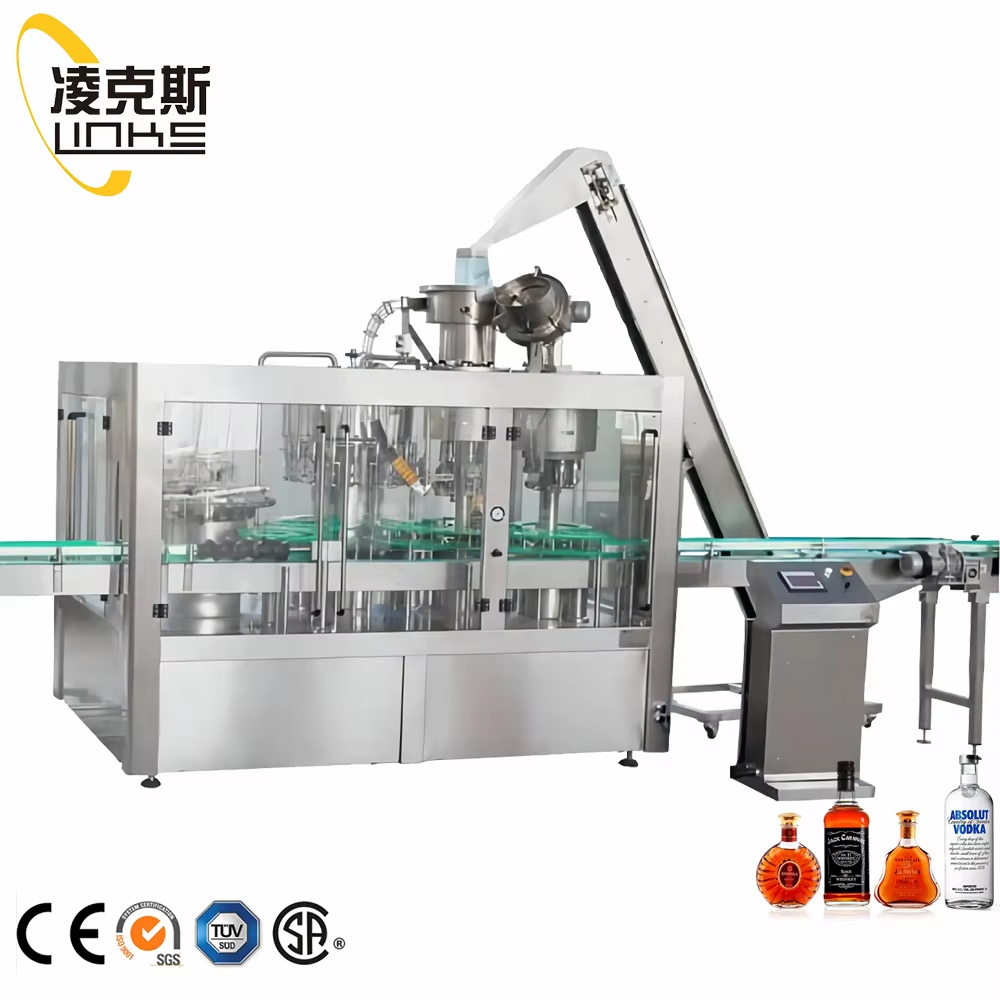
ການອັດຕະໂນມັດອັຈຈະລິຍະ: ການເຕີມທີ່ມີຄວາມຖືກຕ້ອງສູງ, ການຄວບຄຸມແບບເປັນເອກະລາດ (aseptic control), ແລະ ການປະກັນຄວາມສອດຄ່ອງໃນເວລາຈິງ
ການບັນຈຸເຂົ້າຂວດເຄື່ອງດື່ມທີ່ມີຟອງເປັນສ່ວນປະກອບ ໂດຍບໍ່ຕ້ອງໃຫ້ຄວາມຮ້ອນກ່ອນ ແລະເຂົ້າກັນໄດ້ກັບເຕັກນິກ HPP ໂດຍໃຊ້ຫົວຈ່າຍທີ່ປັບຄວາມດັນໄດ້
ການເຕີມທີ່ມີຄວາມຖືກຕ້ອງສູງສຳລັບເຄື່ອງດື່ມທີ່ມີຟອງຕ້ອງການຫຼາຍກວ່າຄວາມໄວ—ມັນຕ້ອງການການປັບຕົວຢ່າງສະຫຼາດຕໍ່ກັບການປ່ຽນແປງຂອງຜະລິດຕະພັນທີ່ເກີດຂຶ້ນໃນເວລາຈິງ. ອຸປະກອນເຕີມທີ່ປັບຕົວຕາມຄວາມດັນຈະສັງເກດການປ່ຽນແປງຂອງຄວາມດັນຂອງຟອງ, ອຸນຫະພູມ ແລະ ຄວາມໜືດໃນເວລາຈິງຢ່າງຕໍ່ເນື່ອງ, ແລະ ປັບອັດຕາການໄຫຼອັດຕະໂນມັດເພື່ອປ້ອງກັນການເກີດຟອງ, ການລົ້ນເຕັມ ຫຼື ການເຕີມບໍ່ພໍ. ຄວາມສາມາດນີ້ສະໜັບສະໜູນທັງລະບົບການເຕີມທີ່ອຸນຫະພູມປົກກະຕິ ແລະ ລະບົບການປຸງແຕ່ງທີ່ມີຄວາມດັນສູງ (HPP), ເພື່ອຮັກສາຄຸນລັກສະນະຂອງລົດຊາດ, ຍືດເວລາອາຍຸການເກັບຮັກສາ, ແລະ ສອດຄ່ອງກັບຂໍ້ກຳນົດທີ່ເຂັ້ມງວດດ້ານການເປັນເອກະສານ. ເມື່ອຈັບຄູ່ກັບເຄື່ອງເຕີມທີ່ຂັບເຄື່ອນດ້ວຍເຊີໂວ (servo-driven piston fillers), ລະບົບນີ້ສາມາດບັນລຸຄວາມຖືກຕ້ອງໃນການເຕີມພາຍໃຕ້ ±0.5% ທົ່ວທັງຂອບເຂດ 150–750 ມລ. ເຊິ່ງຊ່ວຍຫຼຸດຈຳນວນການເຕີມເກີນ, ຫຼຸດການສູນເສຍ, ແລະ ຮັບປະກັນປະສົບການທີ່ສອດຄ່ອງກັນຂອງຜູ້ບໍລິໂພກ. ຕ່າງຈາກລະບົບອຸປະກອນເຕີມທີ່ມີອຸປະກອນເຕີມທີ່ບໍ່ສາມາດປັບຕົວໄດ້, ເທັກໂນໂລຊີທີ່ປັບຕົວຕາມຄວາມດັນຈະເຮັດໃຫ້ບໍ່ຈຳເປັນຕ້ອງປ່ຽນອຸປະກອນເຕີມທີ່ເໝາະສົມກັບແຕ່ລະຮູບແບບ, ດັ່ງນັ້ນຈຶ່ງເຮັດໃຫ້ການປ່ຽນແປງຮູບແບບເກີດຂຶ້ນໄດ້ໄວຂຶ້ນ ແລະ ສາມາດຢືນຢັນເສັ້ນຜະລິດຕະພັນໄດ້ງ່າຍຂຶ້ນ.
ການຕິດຕາມທີ່ເຊື່ອມຕໍ່ກັບເຄື່ອງມືອິນເຕີເນີດຂອງສິ່ງຂອງ (IoT) ສາມາດຫຼຸດຜ່ອນຄວາມສ່ຽງຈາກຈຸລິນະພາບໄດ້ 42% ແລະຮັບປະກັນການຕິດຕາມຢ່າງເປັນທາງການຕາມຂໍ້ກຳນົດຂອງ FDA/EFSA
ເຊີນເຊີ IoT ທີ່ຖືກຝັງຢູ່ໃນລະບົບສະຫນອງການຕິດຕາມແບບຕໍ່ເນື່ອງ ແລະ ມີຄວາມທັນເວລາສູງສຸດຕໍ່ທຸກໆປັດໄຈທີ່ສຳຄັນຂອງຂະບວນການ: ຄວາມແຕກຕ່າງຂອງລະດັບການເຕີມ, ການຫຼຸດລົງຂອງຄວາມດັນກາໂບນເຊີເຣີນ, ອຸນຫະພູມຂອງວົງຈອນການເຜົາເຜີຍ, ຄວາມນຳໄຟຟ້າຂອງນ້ຳທີ່ໃຊ້ລ້າງ, ແລະ ຄວາມຊຸ່ມຊື້ນຂອງສະພາບແວດລ້ອມໃນເຂດທີ່ມີເຄື່ອງເຕີມແລະເຄື່ອງປິດ. ຂໍ້ມູນເຫຼົ່ານີ້ຈະຖືກສົ່ງໄປຍັງແຜງຄວບຄຸມສູນກາງ ເພື່ອໃຫ້ສາມາດກວດພົບຄວາມເປັນໄປໄດ້ທີ່ຈະເກີດຂຶ້ນໄດ້ທັນທີ ແລະ ດຳເນີນການປັບປຸງທີ່ເໝາະສົມທັນທີ ເຊິ່ງເປັນສ່ວນໜຶ່ງຂອງການຫຼຸດຜ່ອນຄວາມສ່ຽງຈາກຈຸລິນະພາບໄດ້ 42% ດັ່ງທີ່ໄດ້ຖືກຢືນຢັນໃນປີ 2023 ວາລະສານວິສາວະກຳອາຫານ ລະບົບນີ້ສາມາດສ້າງບັນທຶກການຜະລິດດິຈິຕອນທີ່ເປັນໄປຕາມຂໍ້ກຳນົດອັດຕະໂນມັດ ໂດຍບັນທຶກຂໍ້ມູນກ່ຽວກັບສ່ວນປະກອບທີ່ໃຊ້, ການຕັ້ງຄ່າຂອງເຄື່ອງຈັກ, ການເຮັດວຽກຂອງຜູ້ປະຕິບັດງານ ແລະ ສະພາບແວດລ້ອມ—ເຊິ່ງສາມາດປະຕິບັດຕາມຂໍ້ກຳນົດດ້ານການຕິດຕາມຂອງ FDA 21 CFR Part 11 ແລະ EFSA ໂດຍບໍ່ຈຳເປັນຕ້ອງໃຊ້ບັນທຶກດ້ວຍມື. ລະບົບຍັງມີການເຕືອນການບຳລຸງຮັກສາແບບຄາດເດີ່ນ, ການປັບຄ່າພາລາມິເຕີຈາກໄລຍະໄກ, ແລະ ການວິເຄາະ OEE ທີ່ເຊື່ອມຕໍ່ກັນ ເຊິ່ງຊ່ວຍຫຼຸດຜ່ອນເວລາທີ່ເຄື່ອງຈັກບໍ່ສາມາດໃຊ້ງານໄດ້ຢ່າງບໍ່ໄດ້ວາງແຜນ ແລະ ເຮັດໃຫ້ການປ້ອງກັນຊື່ສຽງຂອງຍີ່ຫໍ້ເຂັ້ມແຂງຂຶ້ນໃນຕະຫຼາດທີ່ມີການຄວບຄຸມທີ່ເຂັ້ມງວດຂຶ້ນ ແລະ ມີຄວາມຕ້ອງການດ້ານຄວາມເປີດເຜີຍທີ່ສູງຂຶ້ນ.
ຄຳຖາມທີ່ຖືກຖາມເລື້ອຍໆ
ເປີດເຫດໃດທີ່ມີຄວາມຕ້ອງການທີ່ເພີ່ມຂື້ນສຳລັບຂະໜາດຂວດທີ່ປັບແຕ່ງໄດ້ໃນອຸດສາຫະກຳເຄື່ອງດື່ມທີ່ບໍ່ມີເຫຼົ້າ?
ຄວາມຕ້ອງການຂອງຜູ້ບໍລິໂພກກຳລັງປ່ຽນແປງ, ດ້ວຍແນວໂນ້ມທີ່ສັງເກດເຫັນໄດ້ວ່າມີການນິຍົມຂວດຂະໜາດນ້ອຍ, ຂວດ PET ທີ່ເປັນມິດຕໍ່ສິ່ງແວດລ້ອມ, ແລະ ຮູບແບບທີ່ເໝາະສຳລັບການນຳໄປກິນ/ດື່ມໃນເວລາເດີນທາງ. ການປ່ຽນແປງນີ້ເກີດຈາກແນວໂນ້ມທົ່ວໄປທີ່ກ່ຽວຂ້ອງກັບຄວາມຍືນຍົງ, ການຄວບຄຸມຂະໜາດສ່ວນ, ແລະ ຄວາມສະດວກສະບາຍ.
ບັນຫາດ້ານການດຳເນີນງານທີ່ເກີດຂື້ນເມື່ອຕ້ອງປັບຕົວເຂົ້າກັບຂະໜາດຂວດທີ່ແຕກຕ່າງກັນມີຫຍັງບ້າງ?
ບັນຫາຫຼັກໆ ລວມມີການຮັກສາຄວາມໄວໃນການຜະລິດ, ການຮັບປະກັນຄວາມຫຼາກຫຼາຍດ້ານເຄື່ອງຈັກ, ແລະ ການຮັກສາຄວາມສະອາດທີ່ດີເລີດໃນທຸກໆຮູບແບບ ແລະ ຂະໜາດຂວດ.
ເຕັກໂນໂລຊີອັດຕະໂນມັດອັຈລິຍະສາດສົ່ງຜົນດີຕໍ່ແຖວການບໍລິການຂວດເຄື່ອງດື່ມທີ່ບໍ່ມີເຫຼົ້າແນວໃດ?
ເຕັກໂນໂລຊີອັດຕະໂນມັດອັຈລິຍະສາດ, ເຊັ່ນ: ການຕິດຕາມທີ່ເຊື່ອມຕໍ່ກັບເຄືອຂ່າຍອິນເຕີເນັດຂອງທຸກສິ່ງ (IoT) ແລະ ປຸ່ມເປີດ-ປິດທີ່ປັບຄວາມດັນໄດ້, ສາມາດຍົກເວີງຄວາມຖືກຕ້ອງໃນການເຕີມຂວດ, ຫຼຸດຄວາມສ່ຽງຈາກຈຸລັງທີ່ເປັນອັນตรາຍ, ຮັບປະກັນການປະຕິບັດຕາມຂໍ້ກຳນົດ, ແລະ ອະນຸຍາດໃຫ້ຕິດຕາມເປັນເວລາຈິງເຖິງປັດໄຈທີ່ສຳຄັນໃນຂະບວນການຜະລິດ, ສິ່ງນີ້ຈະຊ່ວຍປັບປຸງປະສິດທິພາບ ແລະ ຄວາມປອດໄພ.
ເປີດເຫດໃດທີ່ສຳລັບການອອກແບບທີ່ມີລັກສະນະແບບປະກອບ (modular architecture) ຈຶ່ງມີຄວາມສຳຄັນຕໍ່ແຖວການບໍລິການຂວດເຄື່ອງດື່ມທີ່ບໍ່ມີເຫຼົ້າ?
ສະຖາປັດຕະຍາການທີ່ມີຄວາມຫຼາກຫຼາຍຊ່ວຍໃຫ້ການບູລະນາການສ່ວນປະກອບໃໝ່ ເຊັ່ນ: ແທງເຕີມ (filler modules) ເຂົ້າໄປໃນລະບົບໄດ້ຢ່າງໄວວາ ແລະ ງ່າຍດາຍ ເຊິ່ງຊ່ວຍໃຫ້ການປ່ຽນແປງລະຫວ່າງຮູບແບບຂອງຂວດຕ່າງໆ ເກີດຂຶ້ນໄດ້ຢ່າງລຽບງ່າຍ. ສິ່ງນີ້ຊ່ວຍຫຼຸດຜ່ອນເວລາທີ່ລະບົບບໍ່ເຮັດວຽກ ແລະ ສົ່ງເສີມປະສິດທິພາບການຜະລິດໃຫ້ດີຂຶ້ນ.
ບົດສາລະບານ
- ເປັນຫຍັງຂວດທີ່ມີຂະໜາດຕ່າງໆຈຶ່ງຕ້ອງການແຖວການບັນຈຸເຂົ້າຂວດເຄື່ອງດື່ມທີ່ຖືກອອກແບບໃໝ່
- ສະຖາປັດຕະຍະກຳການບໍ່ລີກນ້ຳອັດເປັນເຄື່ອງດື່ມທີ່ມີຄວາມຍືດຫຸ່ນສູງ ເພື່ອການປ່ຽນ SKU ຢ່າງລຽບງ່າຍ
- ການອັດຕະໂນມັດອັຈຈະລິຍະ: ການເຕີມທີ່ມີຄວາມຖືກຕ້ອງສູງ, ການຄວບຄຸມແບບເປັນເອກະລາດ (aseptic control), ແລະ ການປະກັນຄວາມສອດຄ່ອງໃນເວລາຈິງ
-
ຄຳຖາມທີ່ຖືກຖາມເລື້ອຍໆ
- ເປີດເຫດໃດທີ່ມີຄວາມຕ້ອງການທີ່ເພີ່ມຂື້ນສຳລັບຂະໜາດຂວດທີ່ປັບແຕ່ງໄດ້ໃນອຸດສາຫະກຳເຄື່ອງດື່ມທີ່ບໍ່ມີເຫຼົ້າ?
- ບັນຫາດ້ານການດຳເນີນງານທີ່ເກີດຂື້ນເມື່ອຕ້ອງປັບຕົວເຂົ້າກັບຂະໜາດຂວດທີ່ແຕກຕ່າງກັນມີຫຍັງບ້າງ?
- ເຕັກໂນໂລຊີອັດຕະໂນມັດອັຈລິຍະສາດສົ່ງຜົນດີຕໍ່ແຖວການບໍລິການຂວດເຄື່ອງດື່ມທີ່ບໍ່ມີເຫຼົ້າແນວໃດ?
- ເປີດເຫດໃດທີ່ສຳລັບການອອກແບບທີ່ມີລັກສະນະແບບປະກອບ (modular architecture) ຈຶ່ງມີຄວາມສຳຄັນຕໍ່ແຖວການບໍລິການຂວດເຄື່ອງດື່ມທີ່ບໍ່ມີເຫຼົ້າ?