The Importance of Filling Machine Costs: A Strategic Perspective Beyond Price Tags
When business owners search for “filling machine costs,” they are often grappling with a more fundamental business question: “How much do I need to invest to establish a scalable and profitable filling production line?” The initial purchase price is merely one variable in this complex equation. Deeply understanding the true significance of this cost enables you to make strategic investments that drive business growth, rather than merely consuming capital.
First, filling machine costs form the foundation of production budgeting, directly impacting the viability of business plans. Miscalculated costs can lead to flawed financial planning—underestimating expenses may leave you strapped for cash in subsequent raw materials, packaging, and marketing. Accurate cost figures are also essential for realistic business forecasting, enabling precise per-bottle cost calculations, competitive pricing strategies, and profitable timeline projections. A seemingly “cheap” machine may actually incur extremely high long-term per-bottle costs due to inefficiency and sluggish operation.
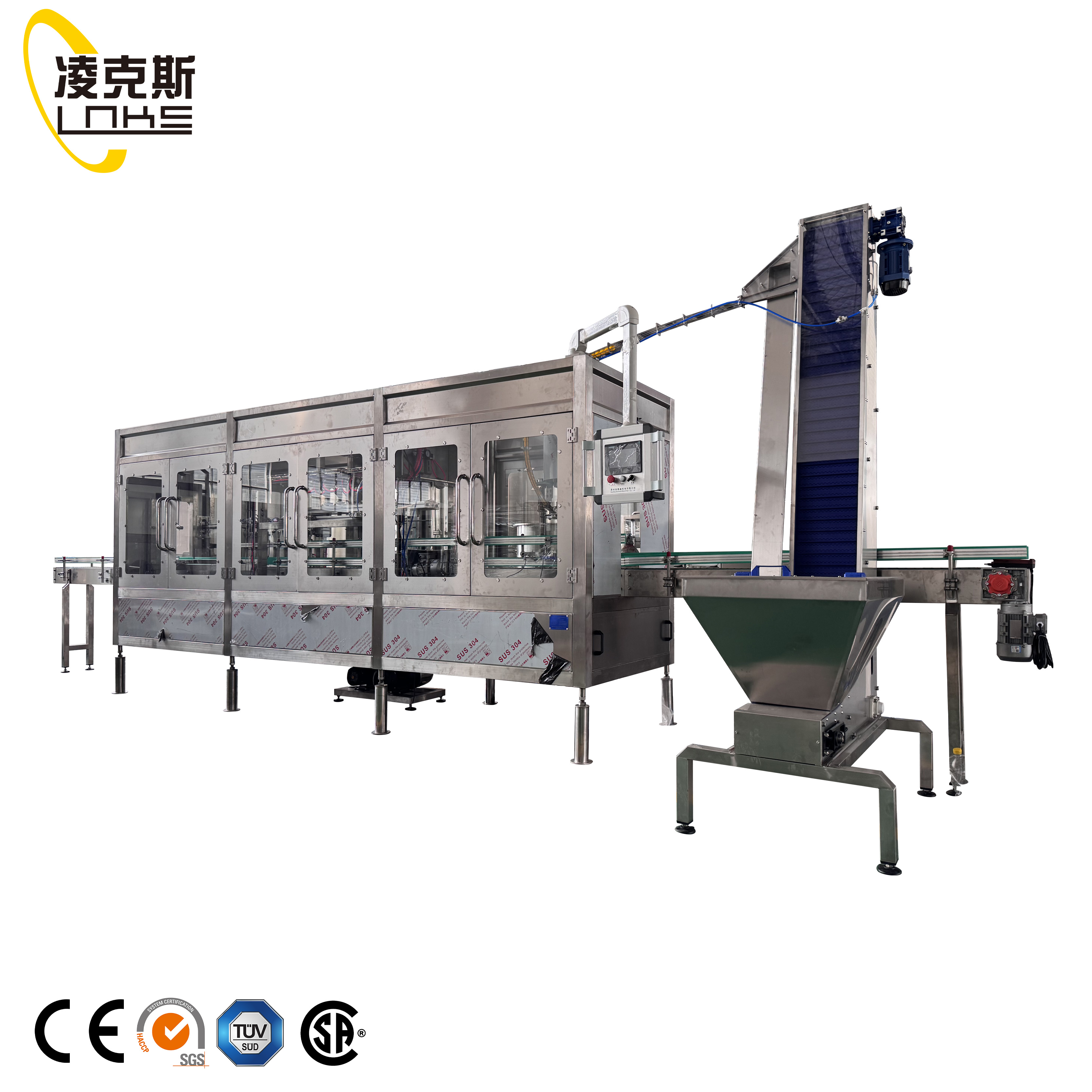
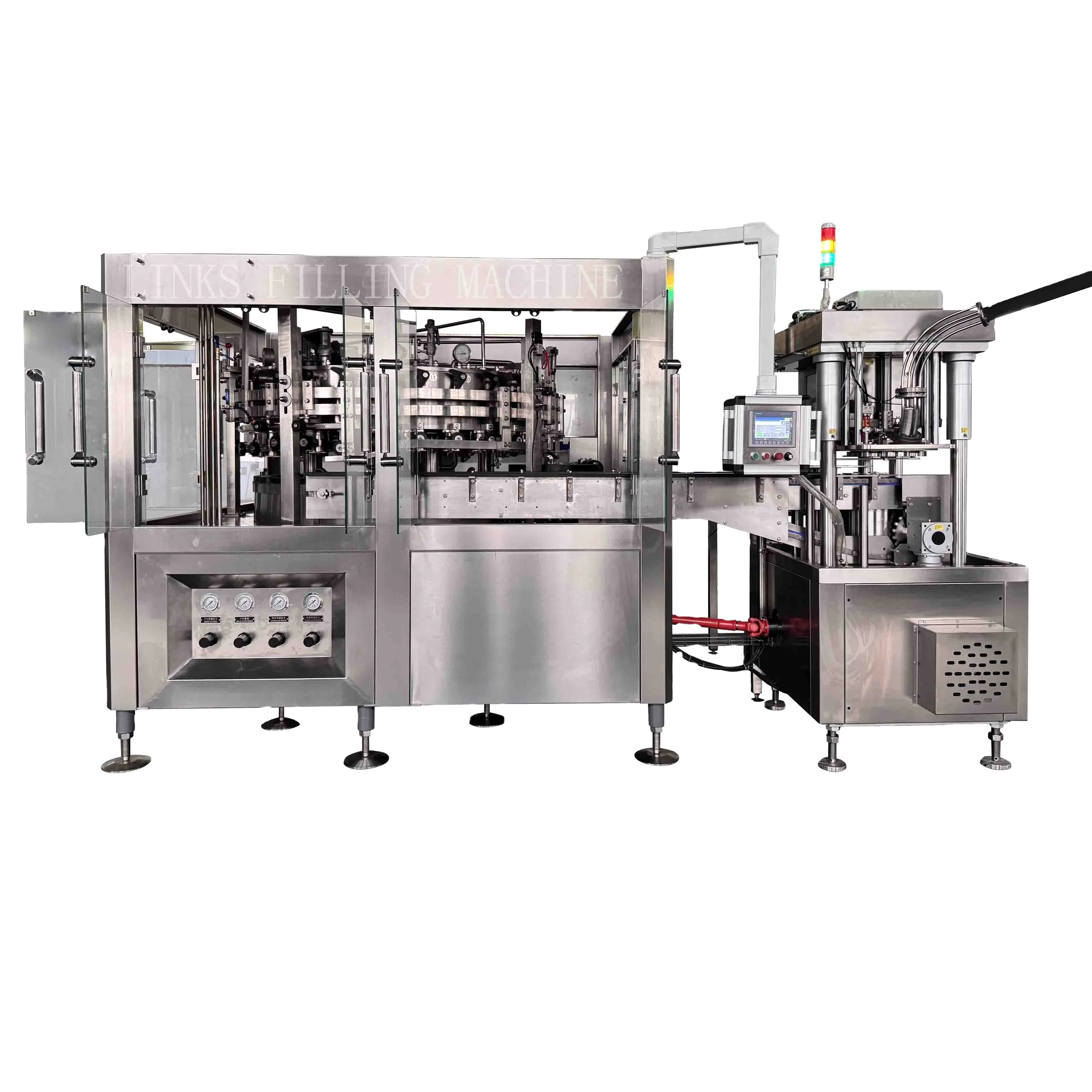
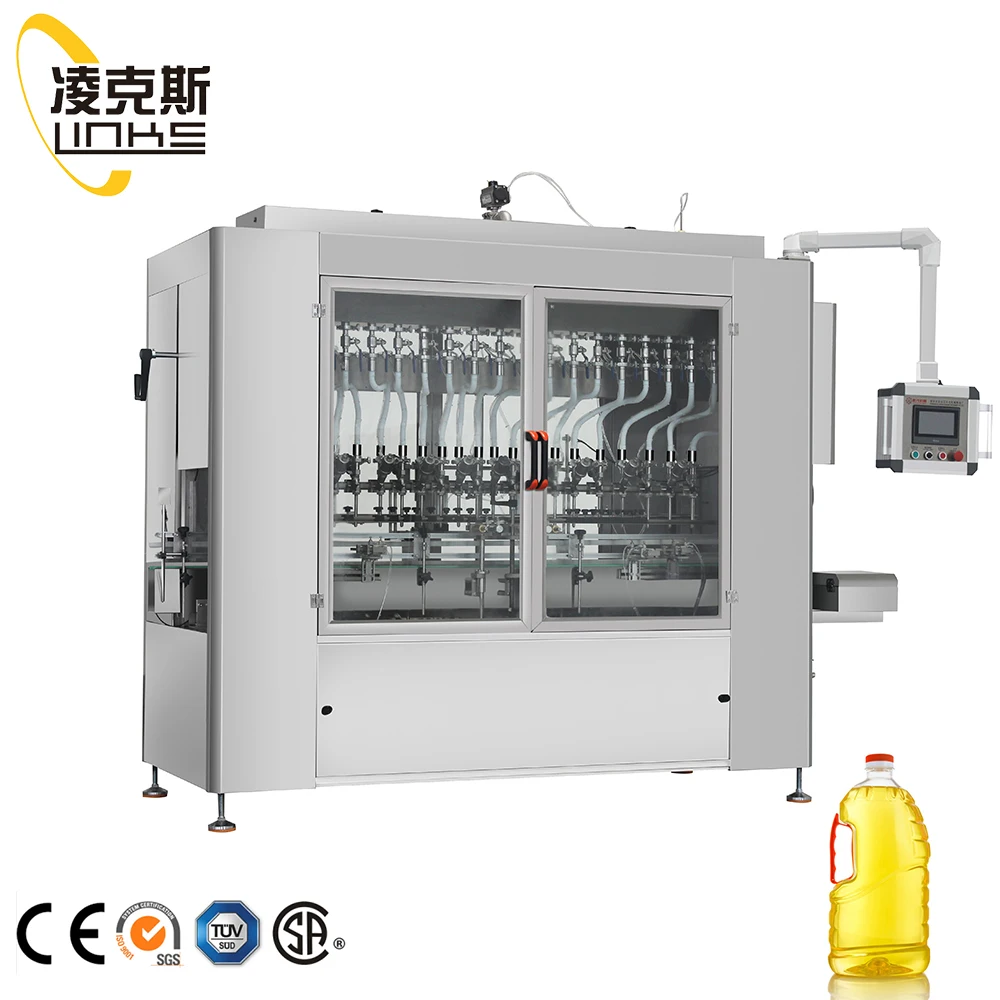
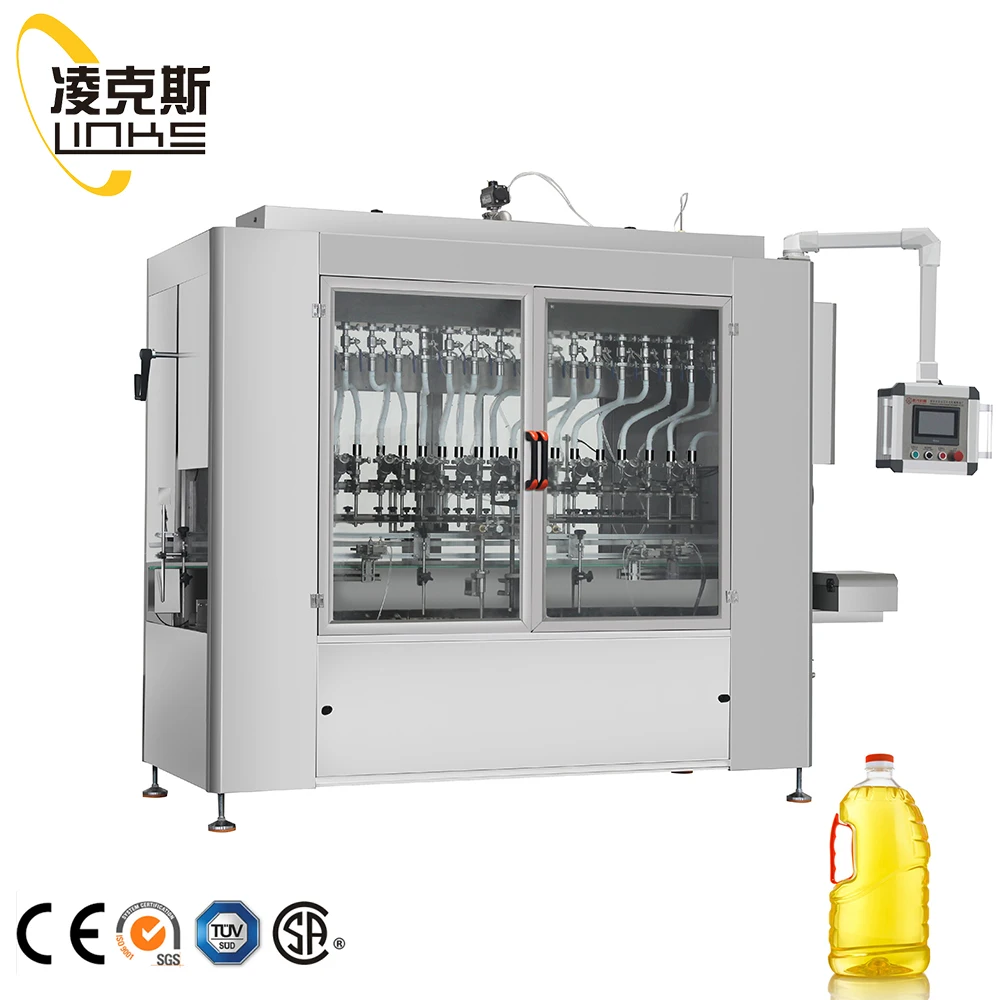
More critically, equipment pricing directly reflects its production capacity and efficiency. Low-cost options typically correspond to manual or semi-automatic machines, suitable for small-scale startups but entailing high labor costs and limited output. Mid-range fully automatic standalone machines strike a balance between efficiency and investment, making them ideal for growing enterprises. While high-end high-speed rotary filling lines demand substantial upfront investment, their unparalleled efficiency and stability significantly reduce long-term operational costs for high-volume manufacturers. Understanding this relationship is key to procuring technology that precisely matches your current and future needs.
Furthermore, this investment directly determines your final product quality and brand reputation. A high-quality filling machine safeguards product consistency and safety. It ensures precise filling volumes, reliable sealing, and hygienic production environments compliant with food or pharmaceutical standards. This prevents brand damage and costly recalls stemming from product waste, leaks, or contamination.
Ultimately, we must recognize that the listed price isn't the true cost—the real consideration lies in the total cost of ownership. This encompasses long-term maintenance expenses, losses from unexpected downtime, energy consumption, and required labor. An automated machine with a higher upfront cost may quickly achieve a return on investment by eliminating several labor positions. Therefore, analyzing filling machine costs within the framework of total cost of ownership enables wiser, more sustainable financial decisions. This ensures the investment becomes a solid step toward enhancing profitability and achieving business scalability.