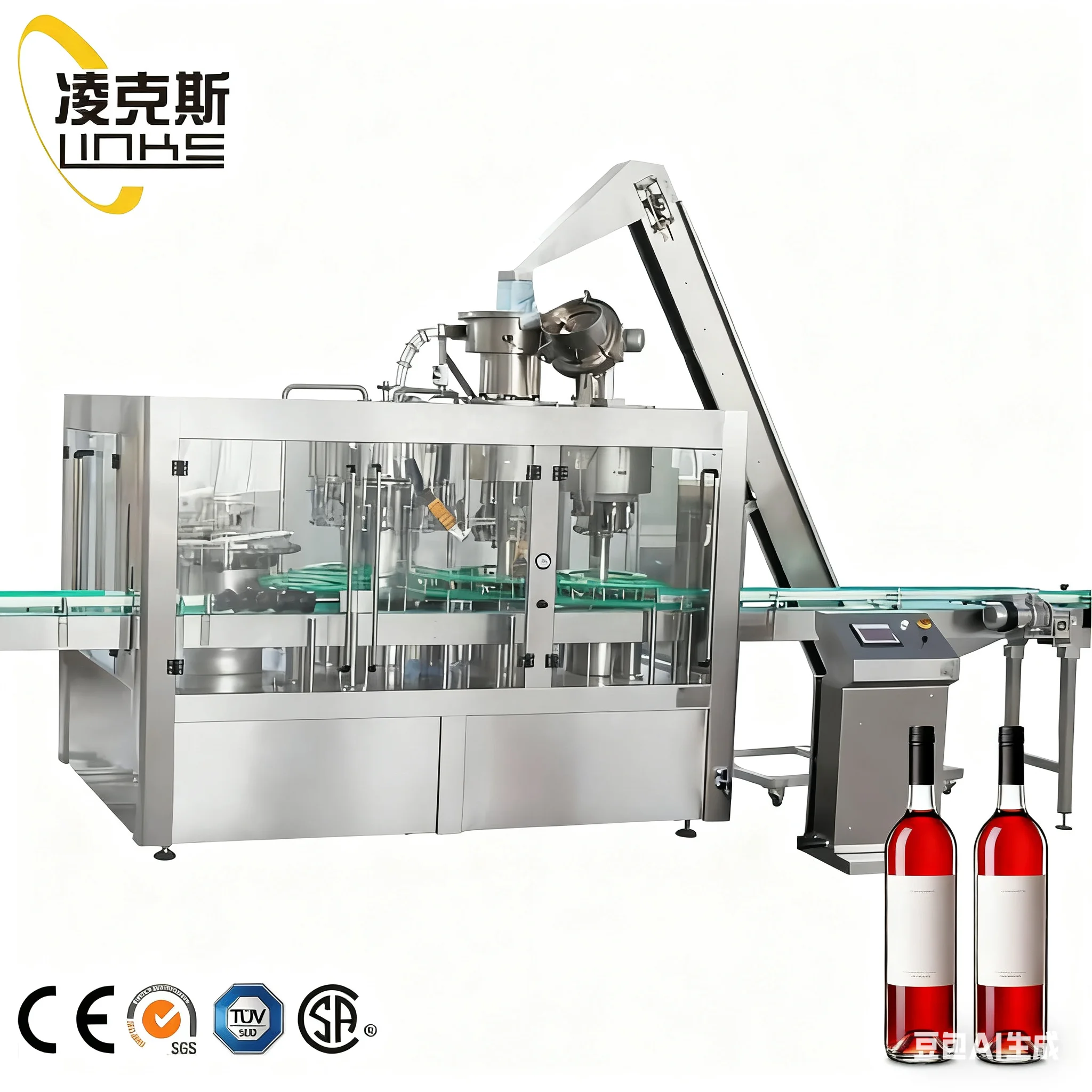
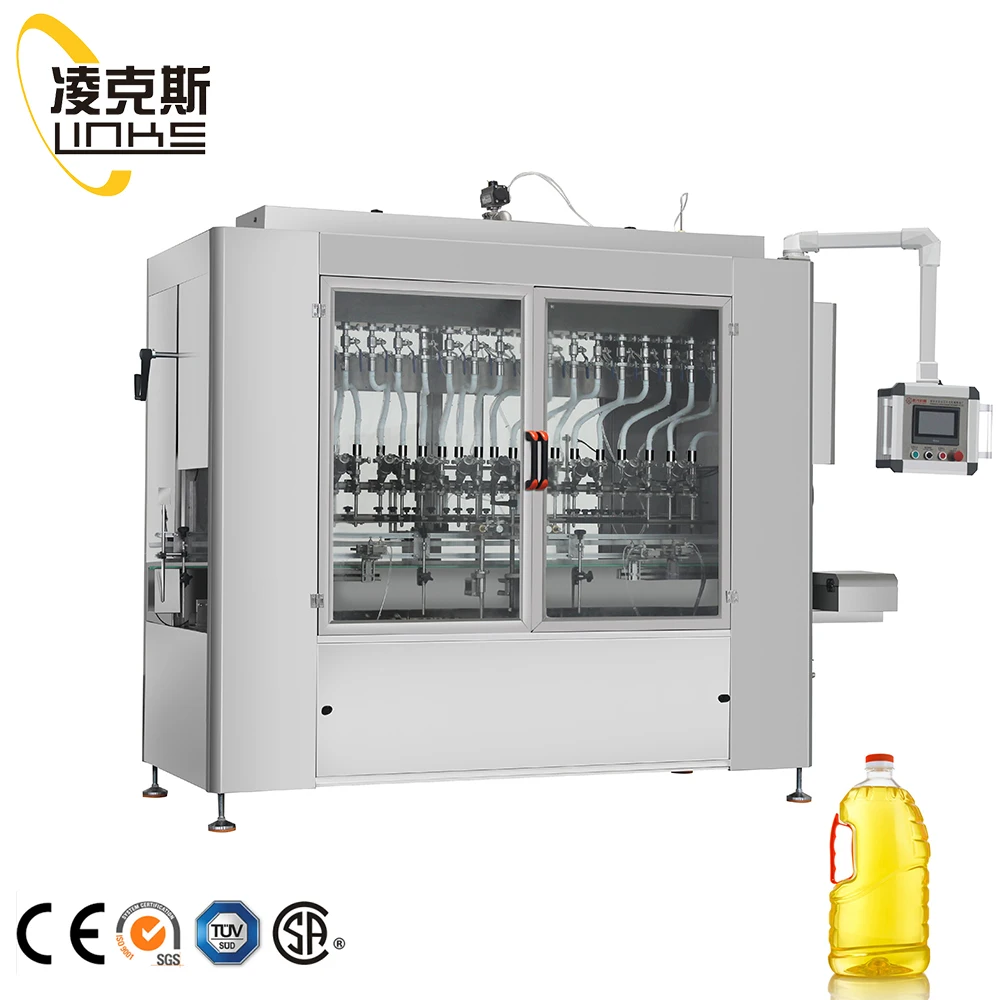
The application prospects for liquid filling systems are exceptionally broad, making them indispensable core equipment on production lines across numerous industrial sectors. Within the pharmaceutical and biotechnology industries, these systems play a critical role by executing aseptic filling processes. They enable precise handling of high-purity products such as vaccines, injectables, biologics, oral liquids, and eye drops, ensuring strict dosage accuracy and GMP compliance.
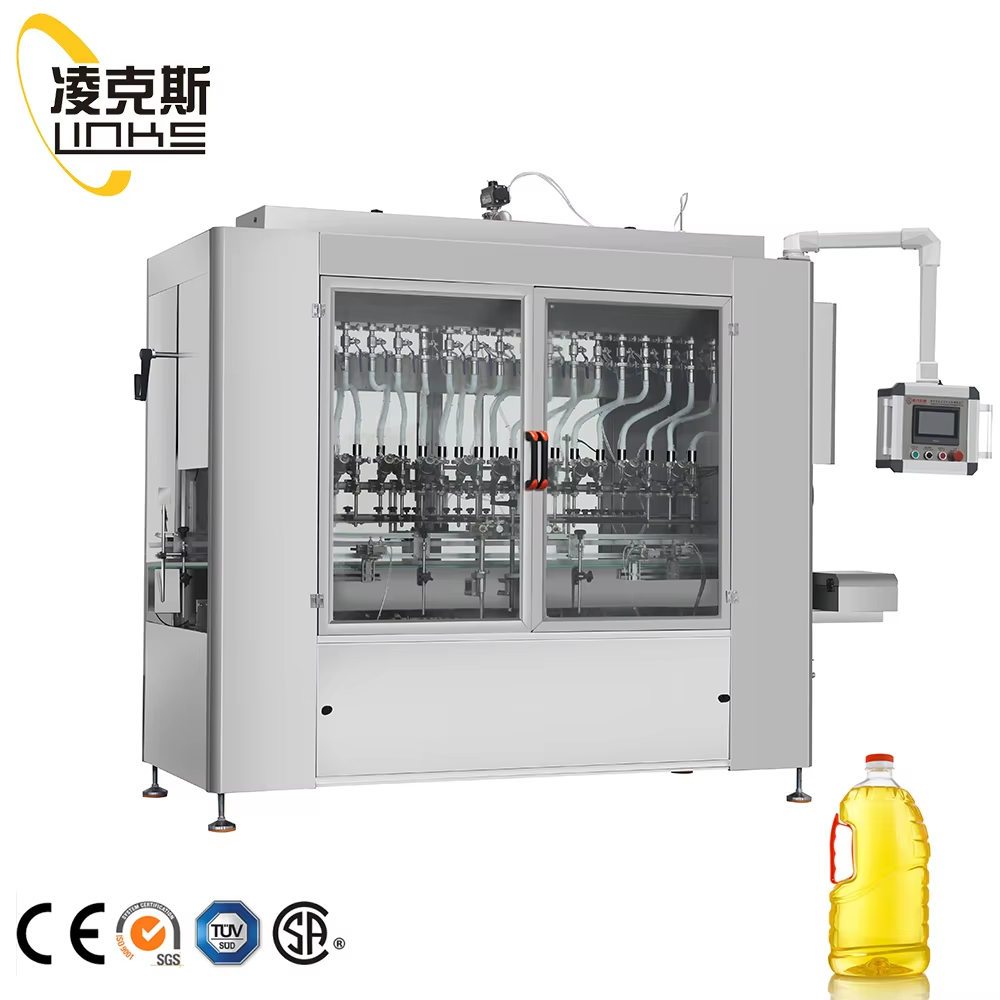
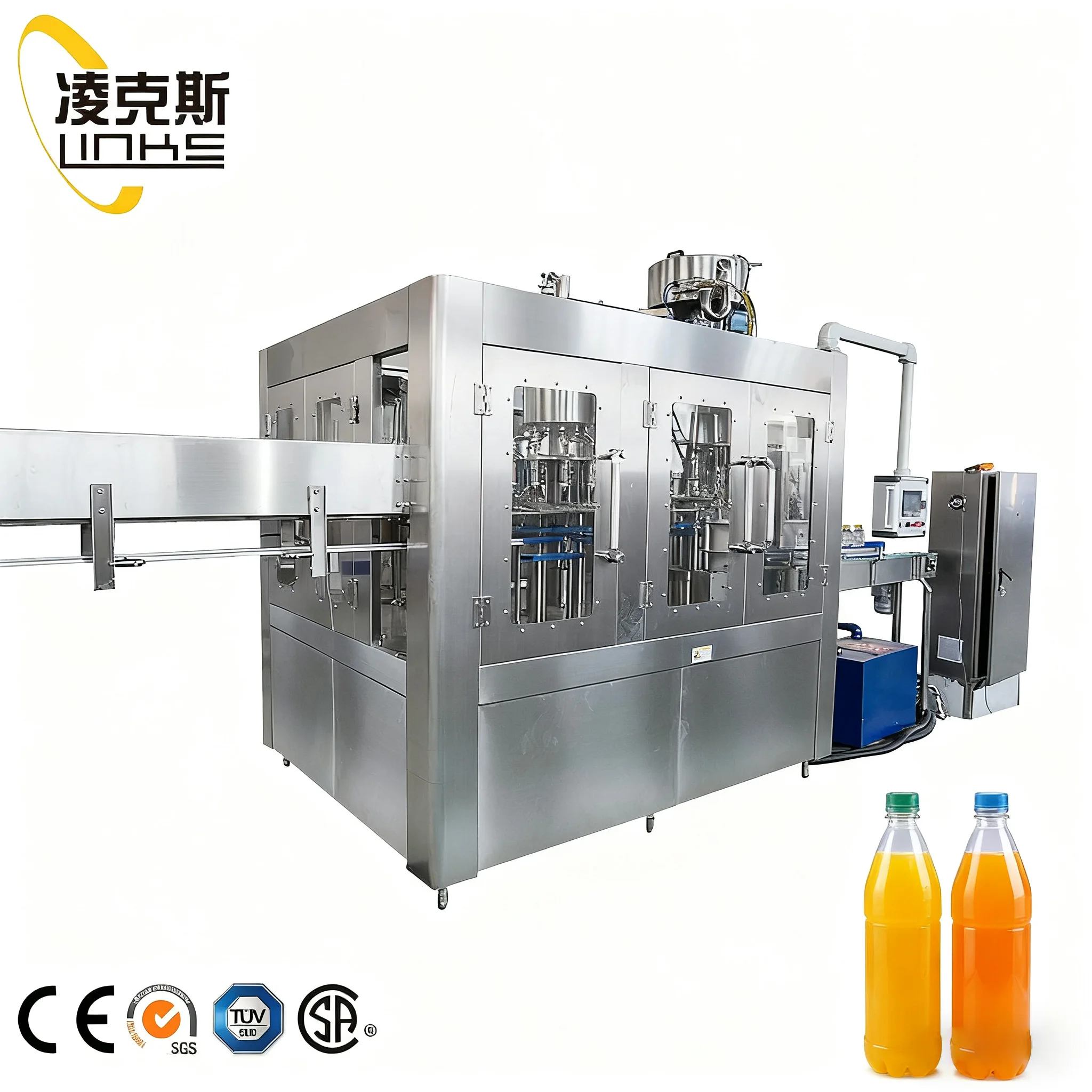
Similarly, in the food and beverage sector, automated filling systems enable high-speed, hygienic packaging of liquids ranging from water, juices, soft drinks, cooking oils, soy sauce, and vinegar to high-viscosity products like fruit-filled sauces and dairy products, significantly enhancing production efficiency and product safety. For cosmetics and personal care, filling systems accommodate diverse products from perfumes and serums to lotions and shampoos. They enable high-speed production while ensuring oxidation-free, foam-free filling to preserve product quality and premium branding.
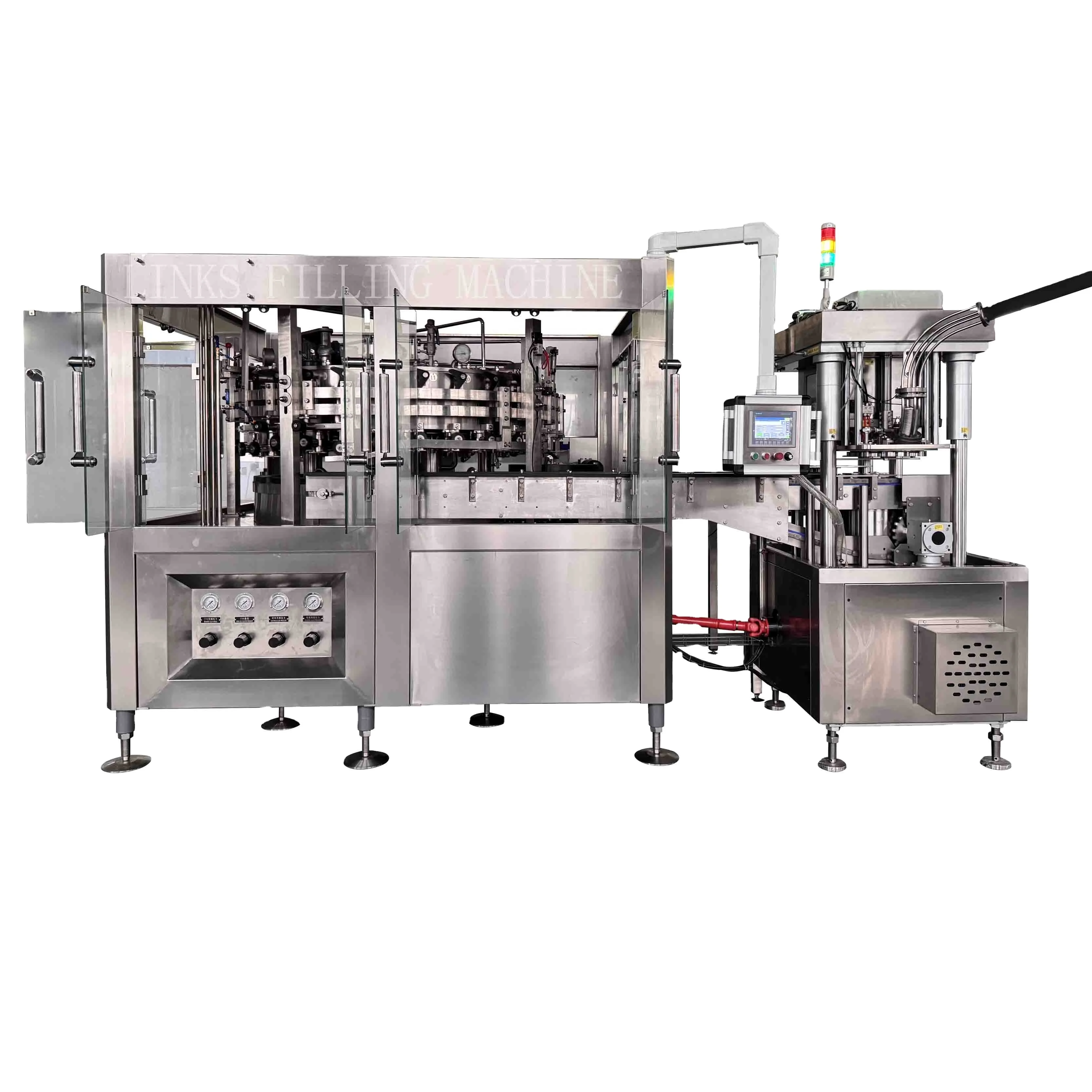
In the chemical and household products sector, robust filling systems are specifically designed for the safe and efficient handling of potentially corrosive or hazardous liquids like detergents, disinfectants, pesticides, paints, and solvents. Furthermore, the flexibility of these systems extends to numerous niche markets—including automotive fluids (motor oil, antifreeze), cannabinoid products, and electronic chemicals—where customized filling solutions are provided to meet specific requirements.
In summary, liquid filling systems form the cornerstone of modern, high-efficiency, and high-precision manufacturing—from life-saving pharmaceuticals and daily food and beverage products to industrial chemical raw materials. Their application prospects continue to expand alongside technological upgrades and growing automation demands across all industries.