
How an Automatic Labeling Machine Improves Label Placement Accuracy
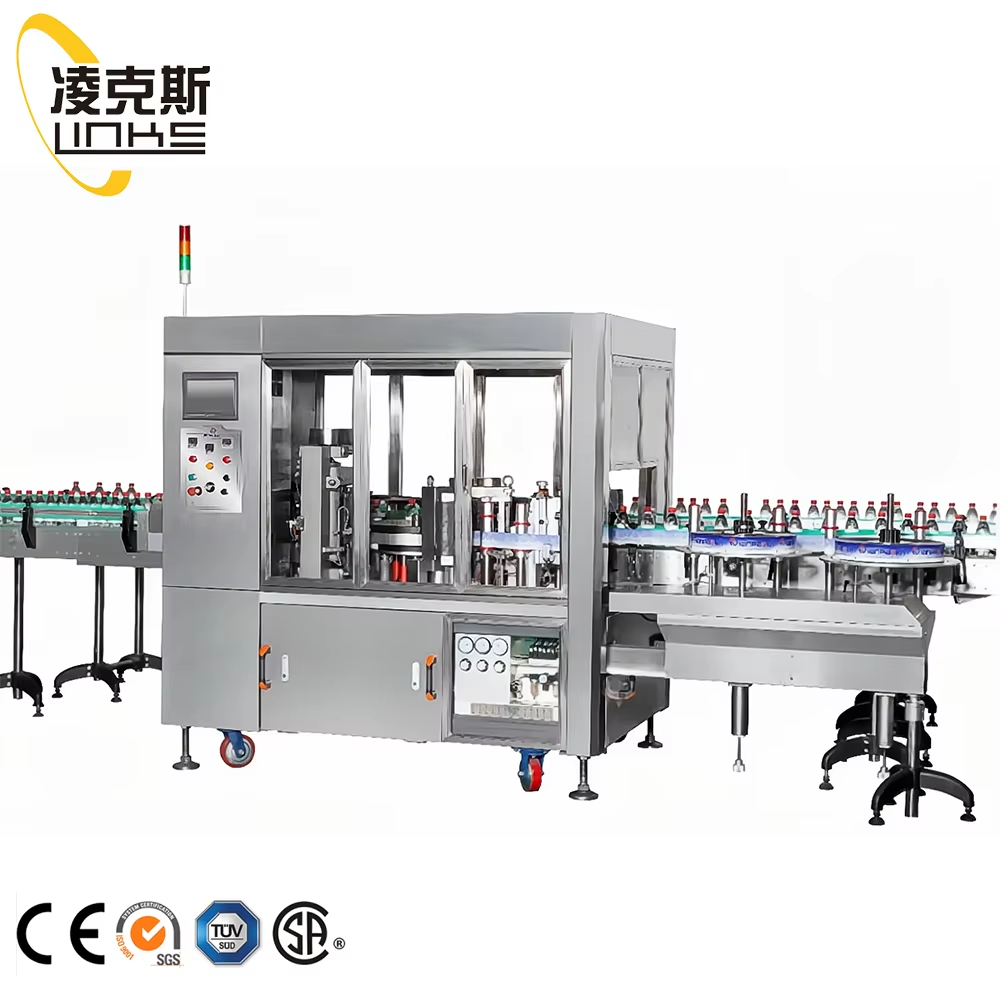
Sub-millimeter Precision in Positioning and Orientation
Modern labeling machines achieve sub-millimeter accuracy through servo-driven applicators and laser-guided sensors—eliminating the label skewing and misalignment common in manual processes. This level of precision ensures compliance with FDA, EU Annex 11, and GHS labeling standards while reducing material waste by up to 20% compared to hand-application methods.
Productivity Gains Enabled by the Automatic Labeling Machine
Uptime Optimization and Cycle-Time Reduction vs. Manual Labeling
Automatic labeling machines really step up production efficiency because they can run nonstop without stopping for breaks, switching shifts, or dealing with tired workers. These machines typically stay online around 30% longer than when people do the labeling themselves. The time it takes to label each product drops dramatically too, somewhere between half and two-thirds faster. That means factories can get through over 100 items every minute compared to just 15 to 20 when done by hand. For manufacturers trying to keep up during busy periods, this kind of speed means they don't have to pay extra for overtime hours. Instead, their workforce gets moved over to tasks where they can actually improve product quality and make operational improvements throughout the facility.
Scalable Throughput Across High-Mix, Low-Volume to High-Volume Runs
Modern automated labeling systems handle everything from small specialty runs right through to full-scale mass production without any real trade-offs. The programmable setup lets operators switch between different container shapes and label sizes pretty quickly, usually within about five minutes flat while still keeping around 95% efficiency even when things change up. Production facilities find it easy to move between making just 1,000 units for a niche market and scaling up to over a million units per year, all using the same basic system. According to what we see across the industry, these labeling solutions maintain an impressive 99.5% accuracy rate on the first try no matter how much product needs labeling at once. This means fewer bottlenecks when orders spike unexpectedly and significantly reduces wasted labels too, with some operations reporting as much as an 85% drop in relabeling requirements.
Eliminating Human Error with Reliable Automatic Labeling Machine Performance
When people do the labeling manually, there's always some variation because workers get tired, distracted, or just don't apply labels the same way every time. These issues actually account for about 30% of all product recalls related to labeling mistakes according to the 2023 Packaging Trends Report. Automatic labeling systems eliminate these problems completely. They use sensors to control how much pressure gets applied, maintain consistent tension, and keep everything aligned properly on thousands of products throughout each work shift. The machines also come with built-in vision systems that spot any inconsistencies right away. And when something goes off track, the system automatically adjusts itself in real-time without stopping production. This leads to better compliance with regulations while cutting down on potential recalls and saving money on rework costs. Plus, it helps reduce those repetitive strain injuries that plague manual labelers so badly - studies show automatic systems cut these injuries by around 54% as reported by OSHA in 2022.
Ensuring Label Consistency and Quality Control in Automated Workflows
Closed-Loop Adjustment and Real-Time Feedback in LINKS MACHINE Systems
The LINKS MACHINE labeling systems work with closed loop control architecture, incorporating high-resolution optical and capacitive sensors that keep checking placement all the time. When there's even the smallest deviation down at the sub-millimeter level, the system makes instant adjustments to parameters so alignment stays consistent, tension remains balanced, and adhesive gets activated properly throughout those fast-running operations. For industries under strict regulations such as pharmaceutical manufacturing or food packaging, this self-correcting feature matters a lot because something as tiny as 0.1 mm off-track could mean non-compliance issues down the line. What's more, these systems don't just stop at fixing problems; they also create complete audit trails automatically. The generated documentation meets regulatory standards right out of the box without holding back production speed. Companies report around 30 percent less material waste overall while achieving nearly perfect label consistency at 99.9 percent accuracy rate across various container shapes including round vials and oddly-shaped products found on store shelves today.
FAQ Section
Why is label placement precision important?
Label placement precision is vital because it ensures compliance with regulations and reduces waste by minimizing errors.
How do automated labeling systems improve productivity?
Automated labeling systems enhance productivity by operating continuously without breaks and speeding up the labeling process compared to manual methods.
Can automatic labeling machines handle different product types?
Yes, automatic labeling machines can easily switch between different container shapes and labels, providing flexibility for both low and high-volume production runs.
Do automatic labeling systems help reduce human errors?
Yes, they significantly reduce human errors by maintaining consistent label application with sensors and real-time adjustments.
How do automatic labeling machines ensure compliance?
They use advanced technology to maintain precise label placement and generate audit trails that meet regulatory standards.
What are LINKS MACHINE systems?
LINKS MACHINE systems incorporate closed-loop control architecture and sensors for real-time label placement adjustments, ensuring quality and consistency.
Table of Contents
- How an Automatic Labeling Machine Improves Label Placement Accuracy
- Productivity Gains Enabled by the Automatic Labeling Machine
- Eliminating Human Error with Reliable Automatic Labeling Machine Performance
- Ensuring Label Consistency and Quality Control in Automated Workflows
-
FAQ Section
- Why is label placement precision important?
- How do automated labeling systems improve productivity?
- Can automatic labeling machines handle different product types?
- Do automatic labeling systems help reduce human errors?
- How do automatic labeling machines ensure compliance?
- What are LINKS MACHINE systems?