
Boosting Packaging Line Efficiency with Automated Labeling Machines
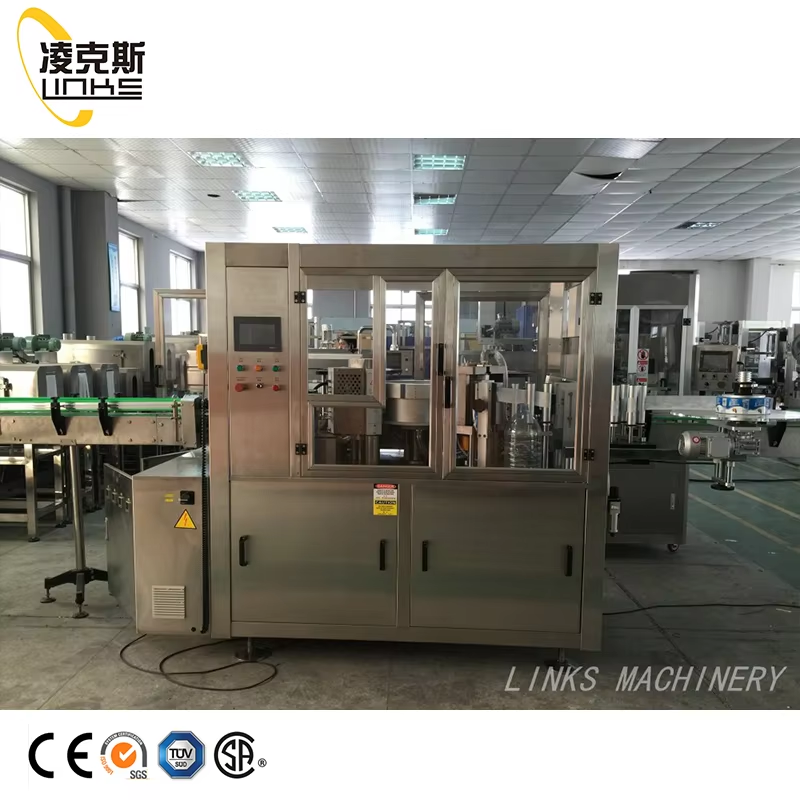
Accelerating Throughput Without Sacrificing Precision
Today's labeling machines can crank out over 300 units every single minute, which is way faster than what any person could hope to match manually. And they do this while keeping labels placed within half a millimeter accuracy most of the time. When labels go on wrong, it used to take plant workers around 15 to 20 minutes just to fix each mistake. According to various industry reports, companies switching to automation see their error rates drop by about 85%. These machines also run three times quicker than human operators, so factories can scale production without sacrificing quality standards. The secret sauce behind all this? Servo motors that keep everything running smoothly even when things get hectic on the production line. What was once considered a slow down point for many manufacturers has now become something that actually speeds things up across the board.
Minimizing Downtime and Labor-Dependent Bottlenecks
Automated labeling systems cut down on human involvement by about 90 percent, which typically saves companies around 30% in labor expenses each year based on industry standards for packaging efficiency. Manual labeling is prone to mistakes when workers get tired, but automated systems just keep going with barely any downtime at all - usually less than 1%. These machines come equipped with features like automatic jam detection, easy roll changes, maintenance warnings from smart sensors connected through the internet, and quick tool-free adjustments that take less than five minutes to complete. With real time monitoring in place, most problems are caught before they cause real issues, preventing roughly 9 out of 10 possible stoppages. This means no more production delays during shift handovers or when new staff members aren't fully trained yet. What we end up with is packaging operations running smoothly without interruption throughout the entire workday.
Ensuring Label Accuracy and Consistency Across Production Runs
Sub-Millimeter Placement Tolerance in Modern Labeling Machines
Modern labeling equipment now features laser guided systems and motor driven applicators that keep labels placed accurately within half a millimeter even on containers of all different shapes and sizes moving at various speeds through production lines. When labels are consistently positioned correctly, it means no more mistakes from hand placement that can lead to products being pulled off shelves or facing problems meeting regulations. According to industry data from last year's Packaging Automation Benchmark Study, companies have seen their labeling mistake rates drop by almost 92 percent thanks to this kind of precision work. Plus there's another benefit too - manufacturers report cutting down on wasted labels by around 30% when switching from old fashioned manual methods to these automated solutions.
Batch-to-Batch Uniformity and Real-Time Quality Assurance
The integrated vision system keeps labels placed exactly the same way on every single unit produced during a batch run. When sensors spot issues like wrinkled labels, misalignment, or bad sticking, they immediately flag those products for rejection before they can move further along the line. Thermal printheads maintain clear barcodes even after long production cycles, something that matters a lot in industries where tracking is mandatory, such as medicine manufacturing and food processing plants. With constant oversight, factories need far fewer workers checking products manually these days maybe around three quarters less work overall. Brands benefit too since their packaging looks consistent no matter how many items come off the assembly line each day.
Labeling Machine vs Manual Labeling: Measurable Gains in Productivity and Reliability
When it comes to labeling products, automated machines just plain cut down on those annoying mistakes people make when doing things by hand. According to the latest Packaging Automation Benchmark numbers from 2023, companies saw about 92% fewer labeling issues once they switched to automation. That matters because nobody wants product recalls or bad press damaging their reputation. What's even better is how fast these systems work. They run nonstop at speeds no human could match. Imagine swapping out two workers who manage around 15 items per minute with a single machine that triples production volume while saving roughly 30% on yearly wages. For factory managers, this means they can spend less time fixing problems and more money investing in new ideas rather than constantly chasing down errors.
Strategic Advantages of Labeling Machines Beyond Speed and Accuracy
Seamless Integration with MES, ERP, and Vision Inspection Systems
Today's labeling equipment brings real advantages when it works seamlessly with manufacturing execution systems (MES), ERP software packages, and vision inspection tech. When these systems connect properly, they allow instant sharing of information across packaging lines and throughout the whole business operation. Inventory gets updated automatically, compliance papers get filled out without delays, and quality checks happen much faster than before. The synchronization with production calendars and company-wide systems turns labeling into an important part of the digital manufacturing network. This connection cuts down on those frustrating manual entry mistakes that plague so many operations, while also speeding up how managers make decisions about day-to-day running of the facility.
FAQ
What are the main advantages of using automated labeling machines?
Automated labeling machines offer faster production rates, increased accuracy, reduced error rates, and lower labor costs compared to manual labeling.
How do automated labeling machines minimize downtime?
These machines are equipped with features like automatic jam detection, quick roll changes, and real-time monitoring to prevent production stoppages.
Can automated labeling machines handle different container shapes and sizes?
Yes, modern labeling machines use laser-guided systems and motor-driven applicators to accurately place labels on containers of varying shapes and sizes.
What is the accuracy rate of these labeling machines?
Automated labeling machines can typically achieve a sub-millimeter placement tolerance, often accurate within ±0.5mm.
Do labeling machines integrate with other manufacturing systems?
Yes, they can seamlessly integrate with MES, ERP, and vision inspection systems for improved data sharing and operational efficiency.
Table of Contents
- Boosting Packaging Line Efficiency with Automated Labeling Machines
- Ensuring Label Accuracy and Consistency Across Production Runs
- Labeling Machine vs Manual Labeling: Measurable Gains in Productivity and Reliability
- Strategic Advantages of Labeling Machines Beyond Speed and Accuracy
-
FAQ
- What are the main advantages of using automated labeling machines?
- How do automated labeling machines minimize downtime?
- Can automated labeling machines handle different container shapes and sizes?
- What is the accuracy rate of these labeling machines?
- Do labeling machines integrate with other manufacturing systems?