
High-Speed, High-Precision Juice Filling Machine Automation
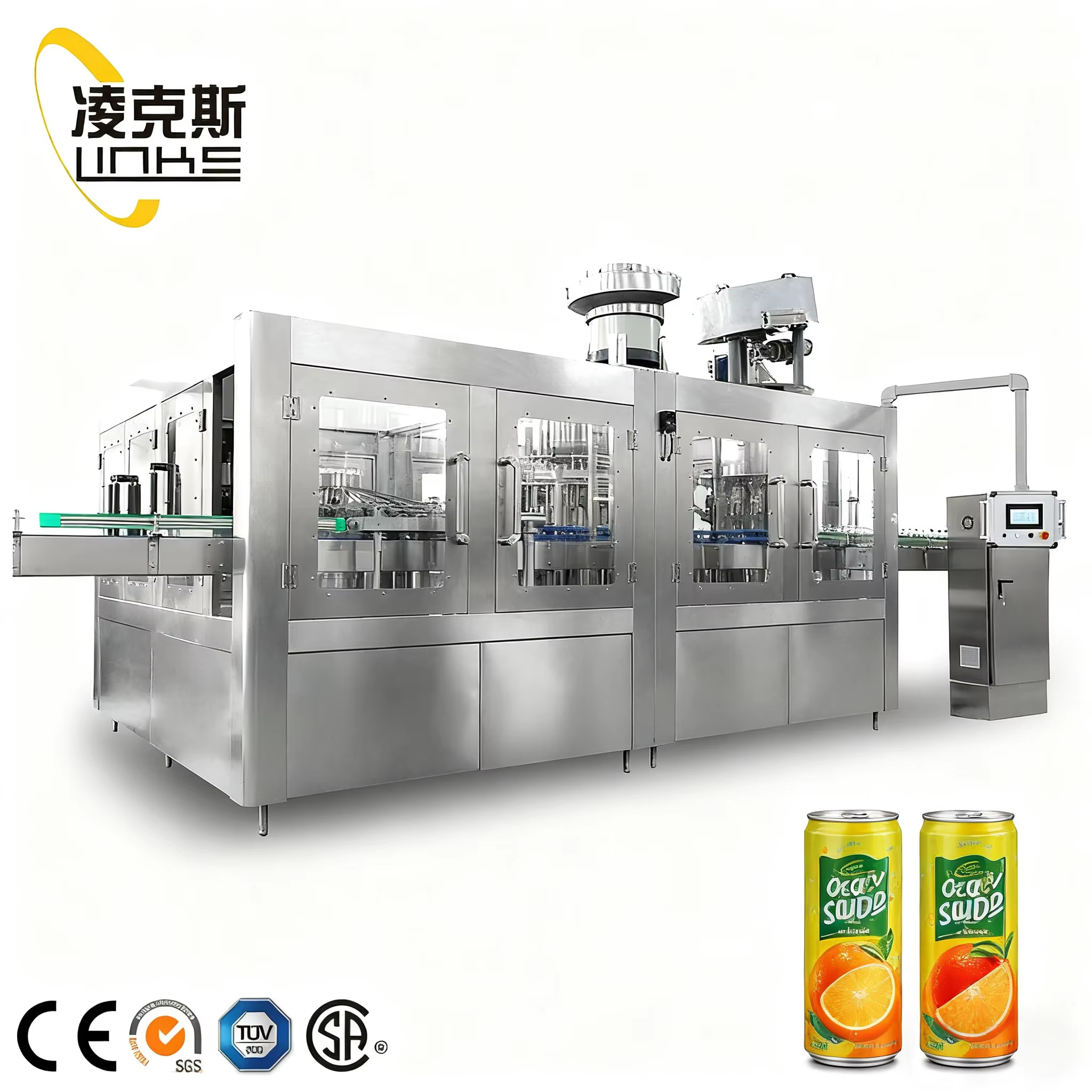
DynaFill and VFS-C Platforms: Resolving the Speed-Accuracy Trade-Off
The latest servo driven systems have cracked the long standing trade off between speed and accuracy in drinks manufacturing. With closed loop volumetric controls built right in, modern filling lines can hit accuracy rates around plus or minus half a percent while cranking out over twelve thousand bottles each hour. That's about forty percent quicker than old school mechanical fillers but still keeps those tight tolerances as noted in Packaging Digest last year. The real magic happens when dealing with different liquids too thick for standard equipment. Adaptive pressure adjustments keep everything flowing smoothly whether it's chunky orange juice or clear apple cider, cutting down on wasted product. Changing formats is another breeze thanks to quick change tooling that switches containers in just seven minutes flat. And those non contact nozzles? They pretty much end all those annoying drips that used to contaminate products. Facilities using these advanced systems typically see their Overall Equipment Effectiveness jump by eighteen percent and reduce rework by twenty two percent compared to older technology setups.
IoT Integration for Real-Time Monitoring and Predictive Uptime Optimization
Modern juice filling lines now come equipped with industrial IoT sensors that monitor well over 30 different machine parameters at once. These include things like how fast valves respond, changes in temperature during processing, and variations in product fill weights. All this information gets sent to central monitoring screens where operators can keep an eye on everything happening across the plant floor. Smart software crunches through all these numbers to spot potential problems long before they happen. For instance, it can warn about failing bearings three full days ahead of time and automatically adjust filler heads whenever there's a change in product thickness. Plants that have adopted these smart systems report staying online for around 95 percent of their scheduled operations, which means about 35 percent fewer unexpected shutdowns according to Food Manufacturing magazine from last year. When something goes wrong, workers get instant warnings about issues like too much oxygen getting into packages or seals starting to fail. This lets them fix problems right away before anyone notices anything wrong with the final product. Plus, looking at all this sensor data helps find ways to save money on electricity bills too, cutting down utility expenses by roughly 15 percent per batch run.
Aseptic Juice Filling Machine Technology for Shelf-Stable Quality
Cold Aseptic vs. Thermal Processing: Microbial Control and Nutrient Retention Outcomes
Today's aseptic juice filling equipment typically employs one of two main sterilization approaches: thermal processing or cold aseptic technology. The thermal method works by heating products between around 190 to 300 degrees Fahrenheit, which kills harmful bacteria but comes at a cost. Research indicates that this heat treatment can reduce vitamin C content in orange juice by as much as 40%, according to findings published in the Journal of Food Science last year. On the other hand, cold aseptic technologies such as High Pressure Processing (HPP) or sterile filtration manage to cut down microbes by five logs while keeping most of the original nutrients intact. The Institute of Food Technologists reported in 2023 that these methods preserve over 95% of what makes the juice nutritious. For high-end juice brands, maintaining those nutrients matters a lot since consumers care deeply about taste and health benefits. What's really impressive about cold aseptic systems though is their ability to keep juices stable on shelves for more than a year without needing preservatives something traditional thermal methods just cant match when it comes to both product quality and running costs for neutral pH drinks.
Sanitary Design and Non-Contact Filling: Ensuring Hygienic Integrity in Every Cycle
The latest aseptic juice filling machines are built around strict hygienic engineering principles to stop any kind of contamination from happening. What makes these machines special? Well, they come equipped with non-contact filling nozzles so there's absolutely no touching between the product and machine surfaces. They also have automated cleaning systems known as CIP/SIP that can remove almost all biofilms from surfaces. The bodies of these machines are made from high grade 316L stainless steel with super smooth finishes under 0.8 microns roughness, which means microbes just don't stick to them. According to recent studies by the European Hygienic Engineering & Design Group back in 2023, this level of design cuts down contamination risks by roughly three quarters when compared to older equipment. During operation, laminar airflow hoods keep the air at ISO 5 purity standards throughout the filling process, making sure dust particles stay well below 1 colony forming unit per cubic meter. All these features together make it much easier for facilities to meet important food safety standards like SQF and BRCGS requirements while keeping their production running smoothly day after day.
Smart Flexibility in Modern Juice Filling Machine Operations
Modular Tooling and PLC-Driven Changeovers (<15 Minutes Across SKUs)
Modular design brings something special to juice filling machines when it comes to flexibility. With standard parts that can be swapped out easily without tools, these systems can switch from handling glass bottles to stand up pouches in just over 15 minutes flat. Most folks don't realize how much this matters for day to day operations. The heart of this system lies in those PLC controllers that remember all the specific settings for each product type. Think fill levels, sealing pressure numbers, even conveyor belt speeds. Operators now just press a button on their interface screen instead of spending hours adjusting everything manually. What does this mean practically? Machines stay running most of the time instead of sitting idle during changes. Fill accuracy stays rock solid around half a percent off target. Beverage companies love this because they can run smaller batches without losing speed. Real world stats back this up too many plants report cutting changeover expenses by about 34%. Plus they can pivot quickly when seasons change or when launching new products hits the market.
FAQ
What advantages do modern juice filling machines provide in terms of speed and accuracy?
An advantage of modern juice filling machines is their ability to maintain accuracy rates around plus or minus half a percent while increasing speed by roughly 40% compared to traditional mechanical fillers. They can fill over twelve thousand bottles each hour without sacrificing precision.
How does IoT integration benefit juice filling operations?
IoT integration allows juice filling operations to monitor over 30 machine parameters in real-time, detect potential issues before they occur, and enhance overall efficiency. This leads to a reduction in unexpected shutdowns by 35% and cutting utility expenses by about 15% per batch run.
What is the difference between cold aseptic and thermal processing in juice filling?
Cold aseptic processing uses techniques like High Pressure Processing (HPP) to preserve nutrients and extend shelf-life without preservatives, maintaining over 95% nutrient retention. In contrast, thermal processing reduces vitamin C content significantly due to high-temperature treatments.
How do modern juice filling machines ensure hygienic integrity?
Modern juice filling machines feature non-contact filling nozzles and automated cleaning systems to prevent contamination. They are constructed with high-grade materials to minimize microbial adherence, helping facilities comply with food safety standards efficiently.