
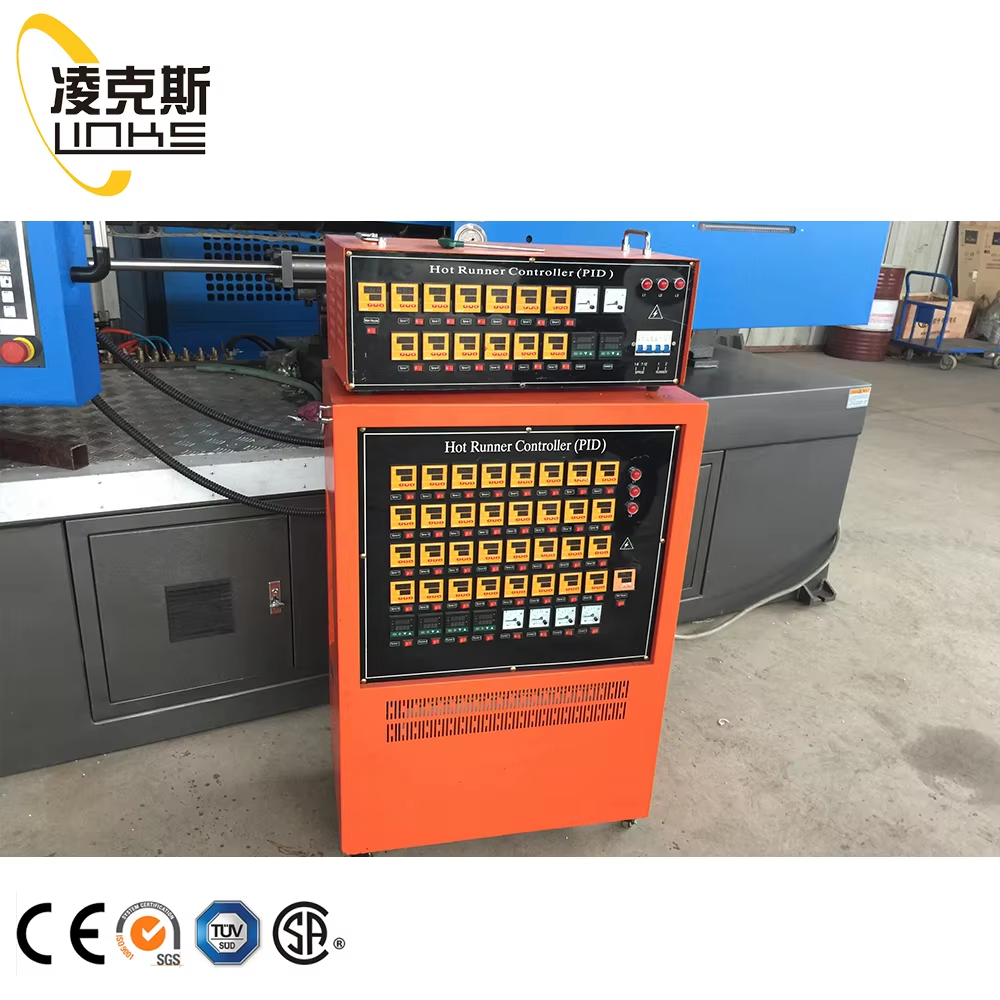
Advanced Control System for Precision and Consistency in Plastic Injection Moulding Machine
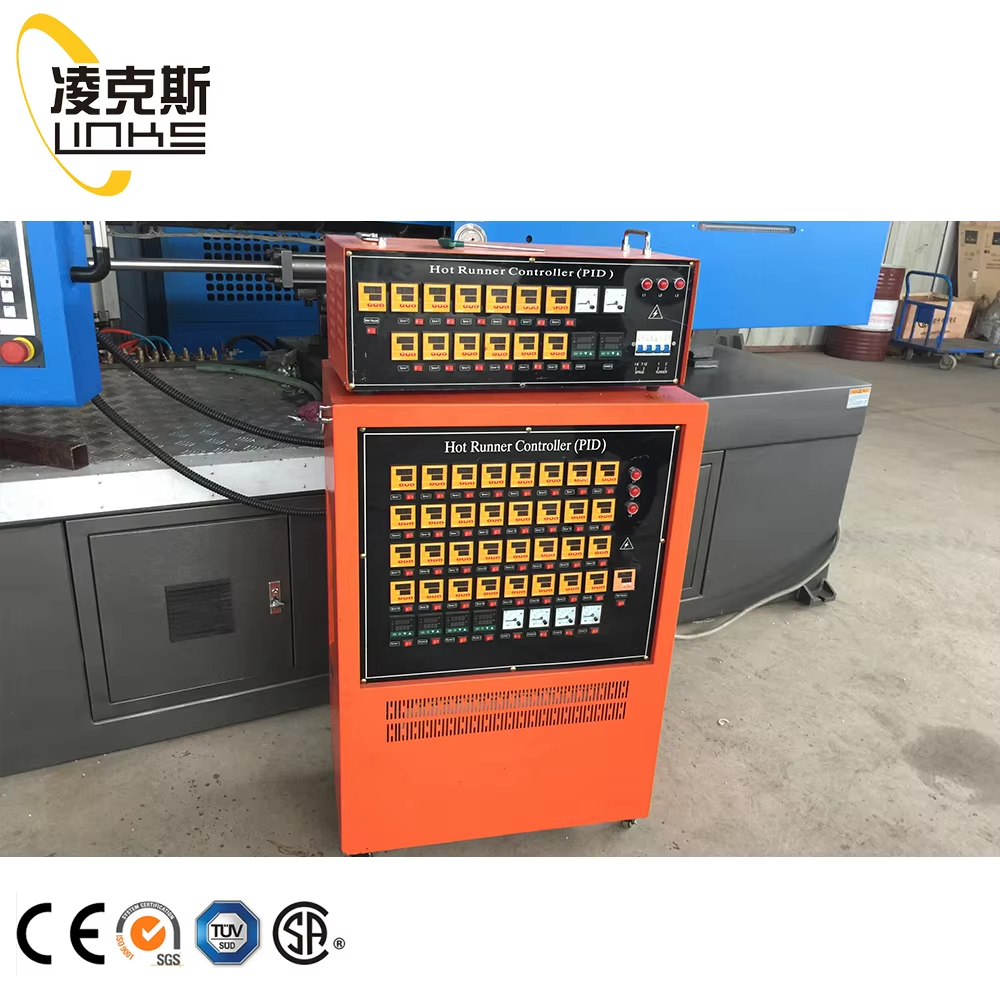
Scientific Molding Framework Enabled by Real-Time Monitoring and Closed-Loop Control
Today's plastic injection moulding machines rely on what's called Scientific Molding. This approach uses real time monitoring along with closed loop controls to cut down on process inconsistencies. These systems keep tabs on things like pressure levels, material viscosity, and how the molten plastic flows through the mold. When they detect any changes, the machines can tweak the injection parameters almost instantly. According to recent data from the Plastics Industry Association (2024), this kind of responsive system cuts dimensional errors by around 47%. For manufacturers dealing with tight tolerances, this means fewer rejects and better quality control across production runs.
- Cycle-by-cycle analysis for early trend detection
- Automated compensation for material viscosity shifts
- Pressure-velocity phase optimization to ensure gate-seal integrity
Unlike legacy systems reliant on static setpoints, this approach prevents defects before they occur—enabling repeatable precision across production runs without manual recalibration.
Integration of Cavity Pressure, Melt Temperature, and Screw Position Sensors for Adaptive Process Control
Leading manufacturers embed networked sensors directly into molds and barrels to enable adaptive control. Cavity pressure transducers detect flow imbalances; melt thermocouples and screw position encoders deliver micron-level tracking of material behavior. These data streams feed machine learning algorithms that dynamically regulate:
- Injection speed, adjusted in real time to polymer rheology changes
- Cooling duration, aligned with actual part solidification rates
- Holding pressure, optimized to gate-seal timing
This sensor fusion achieves 99.8% process stability—critical for medical and optical components requiring ±0.01mm tolerances—and eliminates short shots and warpage by adjusting parameters mid-cycle.
Defect Reduction and Quality Assurance in Plastic Injection Moulding Machine Operations
Mitigating Sink Marks, Warpage, and Short Shots via Dynamic Injection Speed and Pressure Adjustment
Inconsistent melt flow during injection triggers warpage (from residual stress), sink marks (surface depressions over thick sections), and short shots (incomplete cavity fills). Advanced plastic injection moulding machines counteract these using closed-loop adjustments:
- Cavity pressure feedback smooths pressure spikes by modulating injection profiles
- Velocity-controlled filling ensures uniform melt front progression
- Screw position data corrects viscosity-related inconsistencies in real time
This responsiveness reduces scrap rates by up to 30% compared to static-parameter systems (Plastics Technology 2023).
Durability and Structural Reliability of the Plastic Injection Moulding Machine
Robust Frame Design, Wear-Resistant Components, and Thermal Stability Under Continuous Operation
Long-term reliability in plastic injection moulding machines rests on three engineering pillars:
- High-rigidity frames built from stress-relieved cast steel sustain clamping forces exceeding 3,000 tons while maintaining platen parallelism within 0.01mm
- Critical wear components—screws, barrels, and toggle links—feature nitride coatings or bimetallic linings, reducing abrasion from glass-filled polymers by 60% (SPI 2023)
- Thermal management systems, including liquid-cooled ball screws and PID-regulated heaters, hold barrel temperatures within ±1°C during 24/7 operation—preventing thermal deformation
Collectively, these features extend service life beyond 15 years and reduce unplanned downtime by 35% in high-volume environments.
Smart Automation and Digital Integration for Future-Ready Plastic Injection Moulding Machines
IoT-Enabled Predictive Maintenance and Digital Twin Integration for Uptime Assurance
The introduction of IoT based predictive maintenance has really changed how reliable plastic injection moulding machines are these days. These machines now come equipped with built-in sensors that keep an eye on things like motor vibrations, differences in hydraulic pressure, and temperature changes across components. The system spots early signs of wear and tear long before any actual breakdown happens. According to recent industry research from 2025, this approach stops around three quarters of unexpected machine stoppages. Digital twin tech works alongside these systems by creating live virtual copies of the actual machinery. When operators compare what's happening in real time with what their simulation models predict, they can tweak production cycles, manage energy consumption better, and adjust operating parameters. This combination not only makes the machines last longer by about 17 to 22 percent according to the 2025 Manufacturing Report, but also cuts down maintenance expenses by as much as 30 percent in many facilities.
Frequently Asked Questions (FAQ)
What is Scientific Molding in plastic injection moulding?
Scientific Molding uses real-time monitoring and closed-loop controls to ensure process consistency by adjusting injection parameters as needed.
How does sensor integration help in process control?
Sensor integration provides real-time data to dynamically adjust parameters like injection speed and cooling duration for optimized moulding.
Why is thermal management crucial in injection moulding?
Thermal management prevents defects like warpage and flow lines by ensuring uniform cooling and controlling viscosity.
How do IoT and digital twin technology enhance machine reliability?
IoT and digital twin technology predict maintenance needs and optimize operations, reducing downtime and maintenance costs.
Table of Contents
- Advanced Control System for Precision and Consistency in Plastic Injection Moulding Machine
- Defect Reduction and Quality Assurance in Plastic Injection Moulding Machine Operations
- Durability and Structural Reliability of the Plastic Injection Moulding Machine
- Smart Automation and Digital Integration for Future-Ready Plastic Injection Moulding Machines
- Frequently Asked Questions (FAQ)