
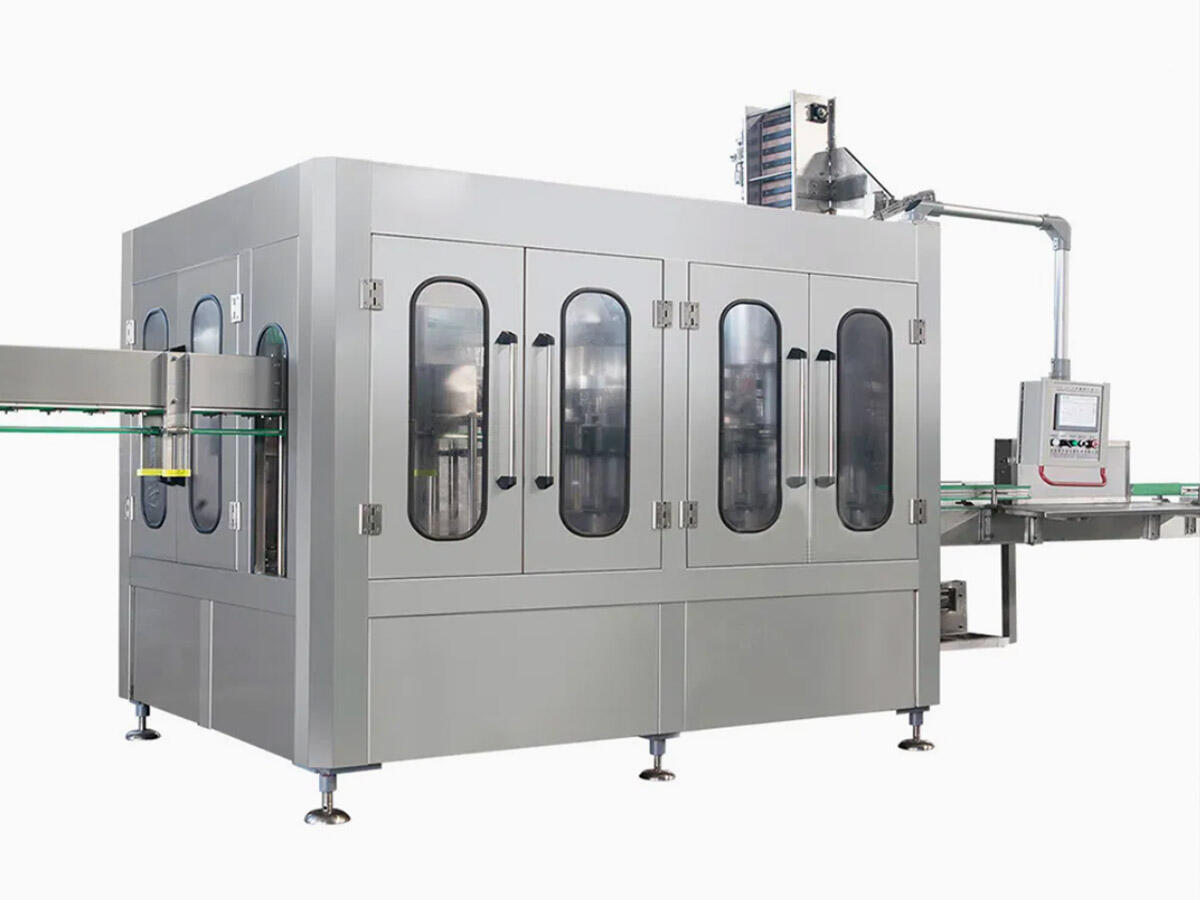
Why Stainless Steel Ensures Durability in Automatic Bottle Filling Machines
In industrial bottling systems, stainless steel remains the go to material mainly because it holds up under tough conditions without losing strength. Most big name manufacturers build their Automatic Bottle Filling Machines with stainless steel since it doesn't corrode when exposed to acidic drinks or strong cleaning chemicals. This resistance matters a lot in practice. According to FoodSafetyTech's research from 2022, nearly three quarters of all problems with filling equipment actually come down to materials breaking down over time. The numbers make sense when looking at how often these machines run and what they're subjected to daily.
Why Stainless Steel is the Preferred Material
When it comes to stainless steel alloys for bottling equipment, 304 and 316 have their differences mainly in how they handle chloride exposure. The numbers tell the story pretty clearly actually - most industry guides say 316 can take about five times what 304 can before showing signs of wear. That's why many manufacturers opt for 316 when dealing with coastal facilities or places where they use those strong chlorine-based cleaners regularly. What really matters here is maintaining that smooth surface finish (around Ra 0.8 microns or better) because even tiny pits from corrosion become breeding grounds for bacteria. And nobody wants to run into trouble with FDA inspections over something like that happening in food processing lines.
Long-Term Cost Efficiency
Stainless steel does cost about 18 to 22 percent more upfront than regular carbon steel, but it lasts way longer when properly maintained, often surpassing 25 years of service. Many facilities that switched to stainless systems have seen their yearly maintenance bills drop by around 53% compared to those old composite material machines, according to what plant managers actually report in the field. Plus, because stainless has this smooth non-porous surface, facilities tend to use about 30% less cleaning chemicals over time, which adds up to real money saved in operations budgets year after year.
Engineering Longevity: Design and Performance of Automatic Bottle Filling Machines
Engineering for Longevity: How Machine Durability Impacts Industrial Productivity
Stainless steel automatic bottle fillers these days typically last around 15 to maybe even 20 years before needing major work, and they keep running at about 92 percent efficiency when used nonstop day after day. The frames are built extra strong and the parts that touch bottles are made from materials that don't wear down easily. This helps reduce strain on important spots where things get busy, such as those fast moving nozzles and where the conveyor belts connect. Pretty important stuff really, especially on production lines cranking out well over 12 thousand bottles every single hour. All these design choices stop the metal from getting tired too quickly and keep everything working smoothly even when pushed hard for long periods without breaking down unexpectedly.
Field Data: Average Lifespan of Stainless Steel Automatic Bottle Filling Machines
Looking at industry data, around 80 to 85 percent of stainless steel filling machines still work well after a decade if they get proper maintenance following manufacturer recommendations. Researchers checked out 142 different plants and noticed something interesting: equipment built with modular parts needs about 35% fewer new components compared to those with welded construction over a seven year period. The bottom line? Plants save money in the long run. According to recent figures from the bottling sector in 2024, these savings amount to roughly $18.20 saved for every liter produced. That adds up significantly over time for any facility running multiple machines.
Case Study: 15-Year Operational Performance
One major beverage company's rotary filling equipment kept under 1% variation in accuracy throughout nearly 62,000 hours of continuous operation. The valves made from 316L stainless steel showed just 0.3 millimeters of wear after handling all sorts of acidic fruit juices, which is actually 41% better than what most manufacturers typically see. This kind of lasting performance translated into real savings too. Over the course of fifteen years, the plant avoided spending around $2.7 million on machine stoppages and parts that would have needed replacing otherwise. For anyone running a production line, these numbers make a pretty compelling case for investing in quality components upfront.
Wear Analysis and Stress Points in Continuous-Use Equipment
Three primary components account for most maintenance events in automatic bottle filling machines:
| Component | Failure Rate (%) | Mitigation Strategy |
|---|---|---|
| Piston Seals | 42 | Quadruple-lip design + PTFE coating |
| Conveyor Chain Links | 29 | Laser-hardened 440C stainless steel |
| Rotary Indexing Tables | 19 | Hydrodynamic bearing lubrication |
Periodic laser alignment checks and predictive lubrication systems reduce these failure rates by up to 68%, as reported in 2023 packaging line maintenance studies.
Hygiene, Compliance, and Material Safety in Stainless Steel Filling Systems
Meeting FDA and EHEDG Standards with 304/316 Stainless Steel in Bottle Filling Machines
Bottle filling machines constructed from 304 or 316 stainless steel meet both FDA 21 CFR regulations and EHEDG standards thanks to several key features. These include chromium oxide passivation layers with around 12 to 30 percent chromium content, surfaces so smooth they have less than 1.5 micrometers roughness, and materials that naturally resist chemical reactions. According to research published by EHEDG in 2022, 316 stainless steel stands up against 12.5% citric acid solutions about 38% better than its 304 counterpart, which makes it a top choice when dealing with products like milk or fruit juices where corrosion resistance matters most. What's really important for food processing facilities is how these FDA approved surface treatments stop bacteria from sticking around. Independent testing has confirmed these surfaces clean effectively, reaching nearly 99.96% efficiency rates during actual cleaning cycles.
Preventing Cross-Contamination Through Seamless Stainless Steel Construction
When it comes to food processing equipment, seamless welding combined with rounded corners cuts down on those pesky contamination spots by about 92%, according to research from the Food Processing Journal back in 2023. The smooth surfaces make all the difference for cleaning processes too. Clean-in-Place systems can scrub away nearly all biofilm leftovers, getting rid of around 99.8% based on standard hygiene checks. That kind of cleanliness meets what's needed for pharmaceutical grade Good Manufacturing Practices. Looking at real world results, facilities using this design see their microbial issues drop by roughly 87% during USDA inspections when compared against older style equipment with lots of separate parts.
Low Maintenance and Operational Efficiency of Stainless Steel Machines
Design Features That Enable Easy Maintenance of Automatic Bottle Filling Machines
Stainless steel filler materials blend corrosion resistant metals with shapes that are easier to maintain. Studies indicate that when using grades like 304 or 316 stainless instead of regular carbon steel, maintenance needs drop around 40%. This happens because chromium forms a protective layer on the surface that basically fixes itself over time. The latest designs now feature things such as snap-on clamps and panels that don't require tools for removal. Technicians can swap out worn seals or damaged nozzles within about 15 minutes these days, which cuts down downtime during manufacturing operations significantly.
Reducing Downtime: Modular Components and Quick-Access Panels
The 2024 Industrial Maintenance Report shows that systems featuring modular valve setups along with pre-made spare components boost operational efficiency around 28%. Troubleshooting becomes much easier with these designs too. Most maintenance work (about 92%) can be done using just basic hand tools without needing specialized equipment. For advanced applications, manufacturers now offer models with color coded piping routes and magnetic sensors that detect wear patterns early on. These sensors give warnings before actual failures happen, which has cut unexpected downtime by half at major beverage production facilities across the country.
Cleaning Protocols for Sustained Hygiene and Machine Longevity
When it comes to cleaning processes, automated CIP cycles designed specifically for stainless steel equipment cut down on sanitation work by around 75%, all while still hitting those important EHEDG standards. Recent testing published in Food Manufacturing back in 2023 showed something interesting too passivated steel surfaces actually hold off biofilm growth about three times better than what we see with coated aluminum alternatives. The design matters quite a bit here as well. Equipment featuring steam venting drain ports and rounded corners instead of sharp edges removes hiding spots for residue buildup. This makes achieving FDA approved clean conditions possible roughly 23% faster than traditional methods. Many facilities have started making these changes simply because they save both time and money in the long run.
Smart Technology and Future Trends in Durable Filling Equipment
Integration of automation with robust stainless steel frameworks
Modern automatic bottle filling machines integrate stainless steel’s durability with programmable automation. Servo motors paired with 316-grade steel components deliver precise fill-volume control (±0.5ml accuracy) and endure daily CIP sanitization cycles. This synergy supports uninterrupted 24/5 operation without material degradation.
Smart sensors and self-diagnostics in modern Automatic Bottle Filling Machines
Embedded IoT sensors monitor bearing temperature and lubrication levels, predicting maintenance needs 120–200 hours before potential failures. Self-diagnostic systems detect issues such as air pockets in nozzles or seal wear, reducing downtime by 37% compared to traditional models (Packaging Efficiency Report 2023).
Trend analysis: Shift toward hybrid systems combining durability and digital control
Demand for hybrid systems has risen 58% since 2021, driven by the integration of stainless steel’s corrosion resistance with cloud-based process controls. As noted in industry benchmarks, these systems enable remote viscosity adjustments via real-time data dashboards, ensuring hygiene compliance while supporting throughput rates up to 600 bottles per minute.
Frequently Asked Questions
Why is stainless steel preferred in automatic bottle filling machines?
Stainless steel is preferred due to its resistance to corrosion, strength under tough conditions, and ease of maintenance. It also maintains a smooth surface, which is crucial in avoiding bacterial growth and meeting hygiene standards.
What are the differences between 304 and 316 stainless steel in these machines?
304 and 316 stainless steels differ mainly in their resistance to chloride exposure. 316 can withstand harsher conditions, making it suitable for coastal facilities or where strong cleaning chemicals are used frequently.
How do stainless steel machines contribute to cost efficiency?
Though more expensive upfront, stainless steel machines require less maintenance, reduce cleaning chemical usage, and have extended service life, leading to significant long-term savings.
How do these machines ensure hygiene and compliance?
Stainless steel machines meet FDA and EHEDG standards through features like chromium oxide passivation layers and smooth surfaces, which resist chemical reactions and bacterial adherence effectively.
Table of Contents
- Why Stainless Steel Ensures Durability in Automatic Bottle Filling Machines
- Engineering Longevity: Design and Performance of Automatic Bottle Filling Machines
- Hygiene, Compliance, and Material Safety in Stainless Steel Filling Systems
- Low Maintenance and Operational Efficiency of Stainless Steel Machines
- Smart Technology and Future Trends in Durable Filling Equipment
- Frequently Asked Questions