
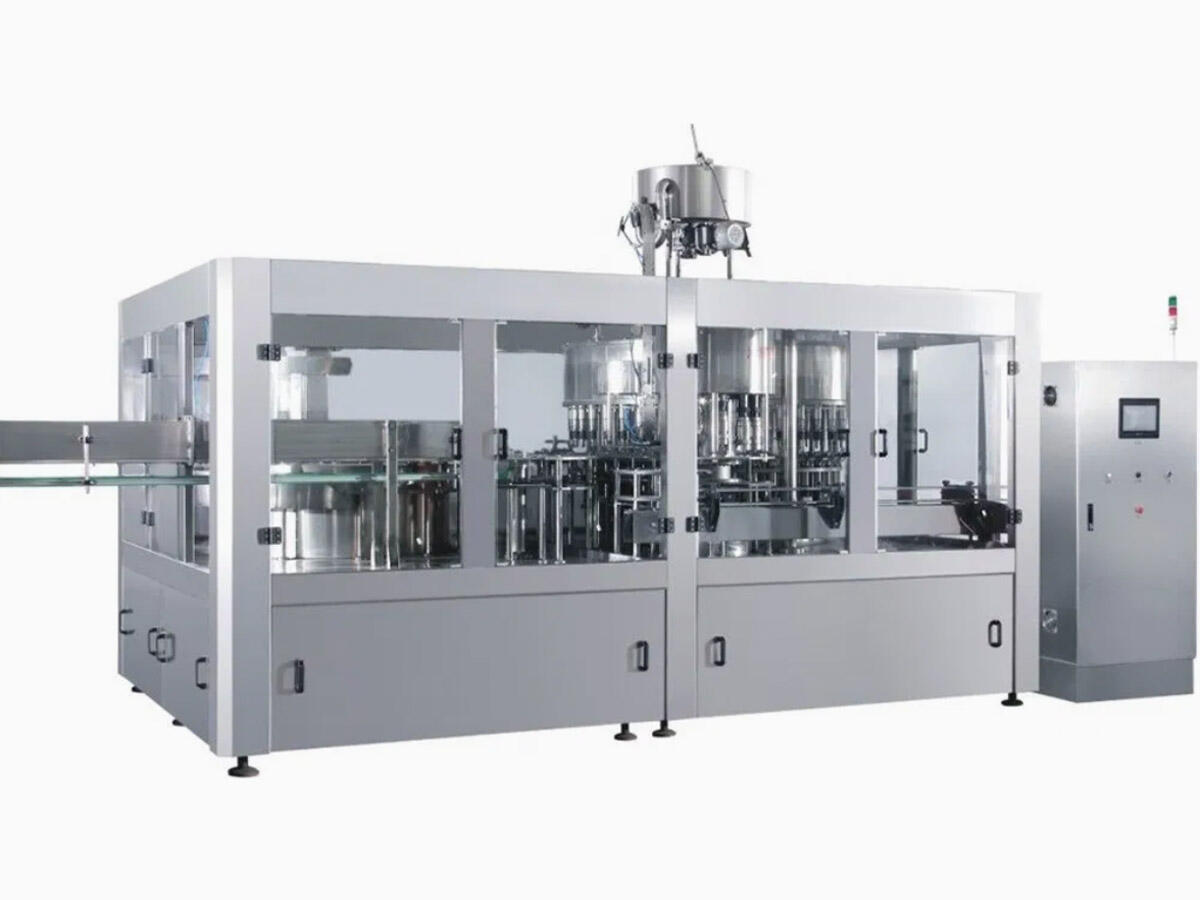
Energy-Efficient Technologies in Automatic Bottle Filling Machines
Variable Frequency Drives and Intelligent Motor Control for Reduced Energy Consumption
Today's automated bottle fillers rely on variable frequency drives or VFDs to tweak motor speed based on what the production line actually needs at any given moment. When demand drops off, these systems cut back on power usage instead of running full blast all day long. According to recent studies from WM Machines in 2023, factories can save somewhere between 20% and 30% on their electricity bills compared to older fixed speed setups. The real magic happens when smart motor controllers kick in too. These controllers use clever algorithms to match up conveyor belt movements with the actual filling process. What does this mean for plant operators? Less downtime waiting for machines to catch up, fewer components sitting idle and wasting energy, and ultimately lower operating costs without sacrificing throughput.
Role of Servo-Driven Actuators and Regenerative Braking in Energy Savings
The switch from old school pneumatic systems to servo driven actuators has made a real dent in energy consumption across manufacturing floors. According to XMFiller's latest report from 2023, these modern systems slash energy use somewhere between 18 and 22 percent mainly because they control movement so precisely without needing those power hungry air compressors all the time. What makes them even better is when manufacturers pair them with regenerative braking tech. This clever setup grabs the kinetic energy produced when machines slow down and actually sends back around 15 to 20 percent of that energy back into the system. For companies making beverages where speed matters but so does efficiency, this combination keeps production humming at top speeds while keeping electricity bills much lower than what was possible with older technologies.
IoT Integration and Predictive Maintenance for Sustained Energy Efficiency
Smart sensors connected to the internet keep track of how much energy things are using and watch for problems before they get bad. For instance, when motors start rubbing against each other more than normal, these sensors pick it up right away. This kind of wear and tear can actually bump up electricity bills between 8 to 12 percent if left unchecked. The clever software behind these systems looks at all this information and figures out when parts need replacing, cutting down on unexpected breakdowns by around 40% according to research from Ponemon in 2023. What makes these technologies really useful is their ability to tweak settings automatically based on what's happening in real time. Whether dealing with various sized containers or products with different thickness levels, the system maintains top notch efficiency throughout operations without anyone needing to step in manually.
Ensuring Stable and Consistent Fill Output Through Automation
Closed-loop control systems for precision in automatic bottle filling machines
Closed-loop control systems deliver ±0.1% volumetric accuracy by constantly comparing actual fill levels to target values. Using PLC-controlled actuators, the system makes 200–300 micro-adjustments per minute to compensate for variables like liquid viscosity and fluctuations in conveyor speed, ensuring consistent fills even under dynamic production conditions.
Real-time feedback mechanisms to maintain fill accuracy and process stability
The infrared sensors paired with load cells can produce anywhere from 500 to 800 data points every second, which means operators can make instant adjustments even at top speeds. Plants that have implemented these kinds of systems report cutting down on overfilled containers by about 17%, all while keeping product quality consistent at nearly 99.8% across big production runs. When dealing with tricky substances like shampoo or fizzy drinks, adaptive pressure control tech steps in to adjust the flow rate automatically. This helps keep measurements spot on and cuts down on messy spills that waste both materials and time.
Managing foam and turbulence: Vacuum and warm filling technologies for consistency
Vacuum-assisted filling removes air from containers before dispensing, reducing foam formation by 80–92% compared to gravity-based methods. For temperature-sensitive products like chocolate syrup, warm fill stations operate at 122°F (50°C) to maintain optimal viscosity, achieving a consistent ±1.5mm fill height across both PET and glass containers.
Balancing High-Speed Production with Energy and Output Efficiency
High-speed filling performance: Throughput optimization for carbonated and still liquids
The latest automatic filling machines can handle anywhere from 400 to 600 bottles every minute thanks to their multi-lane setups and pressure compensation features. When it comes to carbonated drinks, these machines use pressurized filler bowls that keep around 2.8 to 3.2 psi pressure levels. This setup lets them fill 450 containers per minute, which is about 35% quicker than older single pressure systems, all without creating too much foam during the process. For non-carbonated liquids, there are special valves that adjust based on liquid viscosity, cutting down cycle times by roughly 22% compared to those old fixed speed pumps. All these technological improvements help manufacturers reach approximately 85% energy efficiency because the machines can adjust their speed according to actual needs rather than running at full power constantly.
Energy implications of increased production speed in bottling lines
High speed production lines running over 500 bottles per minute actually use around 18 to 24 percent more power compared to regular 300 bottle per minute configurations. But there's good news too - those fancy regenerative servo drives we've been hearing so much about lately can bounce back roughly 15 to 20% of that extra energy when they brake. And let's not forget about those smart power management systems either. These little energy savers cut down on power consumption by nearly a third during downtime periods, all while keeping the production line ready to go whenever needed. The numbers tell an interesting story too. Top performing machines today manage to run at just 1.1 kilowatt hours for every thousand bottles produced at speeds approaching 550 units per minute. That kind of efficiency puts them right in line with what the EPA considers acceptable standards for energy efficient liquid packaging machinery.
Sustainable Design and Lifecycle Considerations in Filling Machines
Eco-design principles: Materials, durability, and recyclability in machine construction
Today's filling machines incorporate eco-friendly design elements using durable materials like 304/316L stainless steel that resists corrosion and food-safe polymers that can be recycled. These choices actually make the machines last about 40% longer than older versions, and when they finally reach the end of their useful life, around 95% of the components can be recycled rather than ending up in landfills. The machines also feature special servo motors that recover energy during braking operations, capturing roughly 35% of what would otherwise be lost. This translates to about a 22% reduction in overall power usage compared to traditional models. Manufacturers have also adopted modular construction approaches where approximately 85% of parts can be taken apart individually. This means fewer complete machine replacements over time and significantly reduces the market demand for spare parts by around 30%, which benefits both operators and the environment.
Case Study: A leading manufacturer's approach to sustainable bottling systems
One industry leader has implemented AI-optimized material planning, reducing stainless steel waste by 92% since 2021. Their PET filling systems operate 31% more efficiently than industry averages while maintaining 99.8% fill accuracy. Through a comprehensive remanufacturing program, the company diverts over 1,400 metric tons of metal from landfills annually, demonstrating scalable circular economy practices.
Benchmarking energy efficiency and sustainability in modern PET liquid filling machines
Top-tier models now achieve just 0.15 kWh per 1,000 bottles—a 38% improvement since 2020. Key sustainability metrics highlight substantial progress:
| Metric | 2020 Baseline | 2024 Leader |
|---|---|---|
| Energy Consumption | 0.24 kWh | 0.15 kWh |
| Recyclable Components | 65% | 92% |
| Production Waste | 5.2% | 0.8% |
These advancements collectively reduce lifecycle carbon emissions by 42% over ten years of operation, setting new standards for environmental performance in liquid packaging.
FAQ on Energy-Efficient Technologies in Bottle Filling Machines
What are Variable Frequency Drives used for in bottle filling machines?
Variable Frequency Drives are used to adjust motor speeds based on production needs, reducing energy consumption by not running at full capacity constantly.
How do servo-driven actuators contribute to energy savings?
Servo-driven actuators precisely control movements, reducing energy use as they operate without the need for continuous high-power air compressors.
What role does IoT play in maintaining energy efficiency?
IoT integrates smart sensors and predictive maintenance, which monitor and optimize the energy usage and performance of machinery in real time.
Table of Contents
- Energy-Efficient Technologies in Automatic Bottle Filling Machines
- Ensuring Stable and Consistent Fill Output Through Automation
- Balancing High-Speed Production with Energy and Output Efficiency
- Sustainable Design and Lifecycle Considerations in Filling Machines
- FAQ on Energy-Efficient Technologies in Bottle Filling Machines