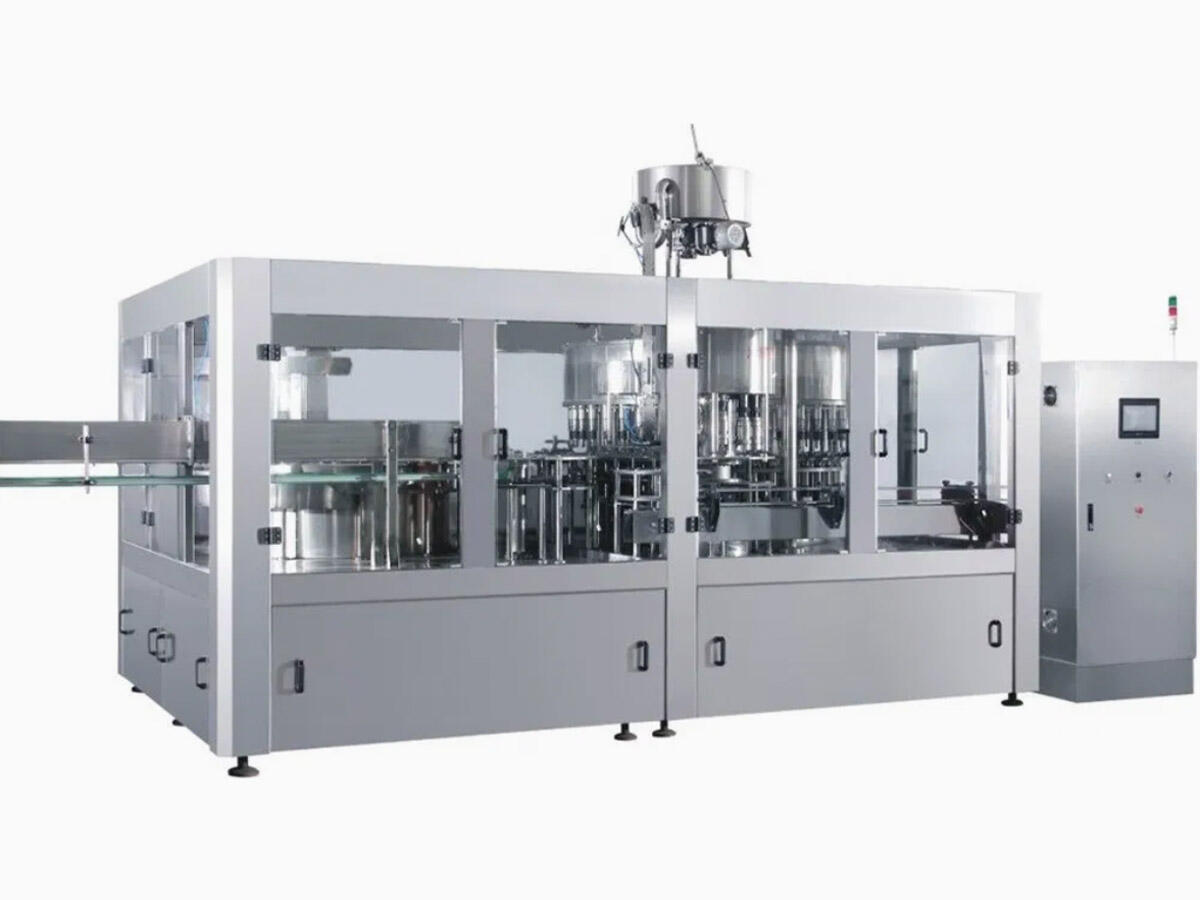
Automatic Bottle Filling Machines: Delivering High-Speed Filling Performance with Consistent Accuracy
Balancing Speed and Precision in Automatic Bottle Filling Machine Operations
Today's automatic bottle filling machines have cracked the code on getting both speed and precision right thanks to their use of servo motors and smart prediction software. Traditional gravity-fed systems manage about 300 to 400 bottles each minute but typically miss the mark by plus or minus 2%. The newer volumetric piston fillers? They keep errors below half a percent even when cranking out over 5,000 bottles every hour. What makes all this possible? Well, there are these clever nozzles that change how fast liquid flows depending on what they're filling. Most modern machines come with multiple heads too, sometimes as many as 12 or more working at once. And let's not forget the pressure sensors that help deal with foamy products. Putting all these together means big production plants can hit around 99.3% efficiency according to the latest Beverage Production Report from 2023, which is roughly 27% better than older equipment managed back in the day.
Advanced Control Systems for Real-Time Flow Regulation
The latest generation of PLCs, those Programmable Logic Controllers we all know about, have started integrating machine vision along with AI based feedback systems that let them control fluid flow on the fly. Take for instance what happened at one big juice bottling plant recently. After switching over to these new controllers, their fill level consistency jumped from around 98.4 percent up to nearly 99.7 percent. At the same time, they saw their production line moving 18% faster than before something no one thought possible until now. What makes these smart systems so effective? They constantly look at sensor readings and fix any issues almost instantly, keeping everything running smoothly even when production conditions change throughout the day.
Achieving 99.8% Fill Accuracy at High Throughput Rates
Advancements in flow metering have enabled near-perfect accuracy even at peak throughput:
| Technology | Speed Range (Bottles/Hr) | Accuracy | Best For |
|---|---|---|---|
| Servo Piston | 1,200 - 5,000 | ±0.2% | High-value liquids |
| Overflow | 3,000 - 8,000 | ±0.5% | Still beverages |
| Mass Flow Meter | 2,500 - 6,000 | ±0.1% | Viscous products |
Recent trials show these technologies reduce product giveaway by $18.70 per 10,000 units compared to basic volumetric fillers, delivering measurable cost savings without sacrificing speed.
Case Study: Throughput and Accuracy Gains in a Beverage Production Line
When a European mineral water facility installed a new 48 nozzle automated bottle filler, they saw some impressive results. Production jumped from making 24 thousand to nearly 38.5 thousand bottles per hour. Their fill accuracy also got better, going from around 98% to almost 99.7% within acceptable limits. Something else that changed was their downtime, which fell by over 40% thanks to early warning system alerts about potential equipment issues. The company spent $2.1 million on this upgrade but managed to get that money back in just under a year and a half because of less wasted product and running the machines more efficiently. For manufacturers looking to boost productivity without breaking the bank, this shows what modern technology can achieve when applied properly.
Fully Automated Integration with Conveyor-Based Filling Systems
Seamless Workflow from Infeed to Filling and Exit Conveyors
Modern automatic bottle filling systems keep production running non-stop by linking together the infeed, filling, and exit conveyors as one seamless process. Bottles travel along carefully designed paths without needing any hands-on handling from workers. The system has smart alignment sensors that constantly tweak conveyor speeds so they match the actual fill rate, which can reach around 400 bottles every minute. According to recent industry reports, this setup cuts down on spills by roughly 27% when compared to older manual loading methods. For manufacturers dealing with high volume operations, these improvements mean fewer disruptions and better product quality control throughout the entire packaging line.
Synchronization of Filling Heads, Capping, and Labeling Stations
Servo motors enable microsecond-level coordination between filling nozzles, capping arms, and labeling modules, preventing bottlenecks. As soon as a filling cycle completes, downstream stations activate within 0.3 seconds. Real-time feedback adjusts timing for container variations, maintaining 99.4% synchronization accuracy during continuous 24/7 operations (Journal of Industrial Automation 2024).
Case Study: Optimized Integration in High-Volume Manufacturing
One major soft drink manufacturer recently installed an automatic bottle filler connected to their conveyor system, which cut down line changeover time by almost 88% thanks to smart adjustments for different bottle heights and widths. They also put in place a central control panel that slashed alignment mistakes at both the filling and capping areas by around two thirds. This improvement boosted production numbers by roughly 22 thousand bottles each day. The system includes buffer spaces between different parts of the line so operations keep running smoothly even when there are small hiccups. These changes helped maintain nearly 98.6% uptime throughout the entire six month period according to Process Engineering Quarterly from last year.
Robust Design for Durability and Minimal Downtime
Engineering for Continuous Operation Under High-Load Conditions
Automatic bottle filling machines designed for industrial use typically feature stainless steel frames along with hardened alloy parts that can handle pressures exceeding 1.2 GPa according to the latest Packaging Industry Materials Report from 2023. The strength of these materials helps keep everything properly aligned when running continuously around the clock. These machines also come equipped with built-in cooling systems that stop motors from getting too hot, even when they're cranking out as many as 600 bottles every single minute. This kind of reliability matters a lot in tough settings such as those found in pharmaceutical manufacturing or large scale beverage plants where downtime just isn't an option.
Reduced Maintenance Needs Through Wear-Resistant Components
Ceramic-coated valves and polymer gaskets rated for 500,000+ cycles reduce part replacements by 60% compared to conventional models (2024 Durability Study). Corrosion-resistant plating on filling nozzles extends service intervals from weekly to quarterly maintenance checks. Self-lubricating PTFE-lined bearings further minimize lubrication needs—critical in food-grade applications where contamination must be avoided.
Addressing the Paradox: High Output vs. Equipment Longevity
The challenge of balancing production speed with equipment longevity gets addressed in several ways these days. Many manufacturers opt for modular system designs so they can upgrade specific parts without replacing whole machines. Some plants install special mounts that absorb shocks and cut down on vibrations by around 42%, according to research published last year in the Mechanical Engineering Journal. Others implement smart systems that distribute workload evenly across all filling heads. Take one bottling facility that ran three shifts nonstop for 18 months straight - their dual-hardened gears kept going with only minimal downtime, hitting nearly 99.5% operational time. And here's what makes it even better: these systems degrade at an incredibly slow rate, losing less than half a percent of performance each year despite running flat out all the time.
Smart Monitoring and Predictive Maintenance for Operational Excellence
Real-Time Performance Tracking in Automated Bottle Filling Lines
Sensor arrays built into production lines keep track of how full each bottle is, watch for changes in pressure, and check if seals are intact all while processing over 100 bottles every single minute. When something goes wrong, these smart systems catch issues like bottles that aren't filled properly or caps that didn't line up correctly in just 0.2 seconds flat. That gives workers plenty of time to jump in before problems get worse. According to recent data from the 2023 automation efficiency survey, factory staff who work with live dashboards can spot and fix problems 18 to 24 percent quicker compared to when they had to walk around checking things manually. The result? Less waste overall and fewer bottles needing to be redone later on.
IoT-Enabled Diagnostics for Early Fault Detection
Systems connected through IoT technology look at things like vibrations, temperatures changes, and how air pressure builds up over time to spot signs of wear long before anything actually breaks down. Take nozzles for example. When they get just half a degree warmer than normal, this often means there might be problems coming with syrup flowing properly later on. The smart algorithms behind these systems constantly check what's happening right now against past performance records. This helps catch when bearings start to degrade well over three days ahead of time. Maintenance teams can then adjust oiling routines accordingly. And best part? Around four out of five unexpected shutdowns related to leaking seals simply don't happen anymore thanks to early warnings from these predictive models.
Leveraging Data Analytics to Maximize Uptime and Efficiency
When machine learning models get trained on around 12 to 18 months worth of operational data, they can actually predict when maintenance should happen best, which cuts down on downtime quite a bit. Some dairy bottling plants have seen their downtime drop by about 41%. Take one pharmaceutical plant for example, they managed to hit nearly 99.3% uptime throughout the year just by looking at how many times their filler heads cycled versus what the humidity levels were outside. The system spotted this connection using those fancy predictive analytics tools. What makes these systems really valuable is that they know when to shift focus on maintenance before busy seasons roll around. This helps keep everything running smoothly while still meeting all those FDA and GMP requirements, and nobody has to sacrifice production numbers either.
FAQ
Q: What makes modern automatic bottle filling machines more accurate than traditional ones?
A: Modern machines use servo motors and smart prediction software, allowing them to adjust flow rates and pressure sensors which increases filling accuracy and efficiency.
Q: How do advanced control systems improve bottle filling operations?
A: Advanced PLCs with machine vision and AI-based feedback systems provide real-time control and adjustments, improving fill level consistency and production speed.
Q: What are the benefits of using servo motors in filling operations?
A: Servo motors ensure microsecond-level synchronization between filling heads, capping, and labeling stations, reducing bottlenecks and improving production line efficiency.
Q: How do automatic systems help reduce maintenance needs?
A: These systems use corrosion-resistant materials and wear-resistant components, reducing part replacements and extending service intervals, leading to less frequent maintenance.
Q: How does predictive maintenance enhance production line uptime?
A: Predictive maintenance uses IoT and data analytics to anticipate equipment failures before they occur, reducing unexpected shutdowns and enhancing productivity.