How Fully Automatic Bottle Filling Machines Work and Their Core Technology
Working Principle: From Infeed to Precision Fill Using PLC Control
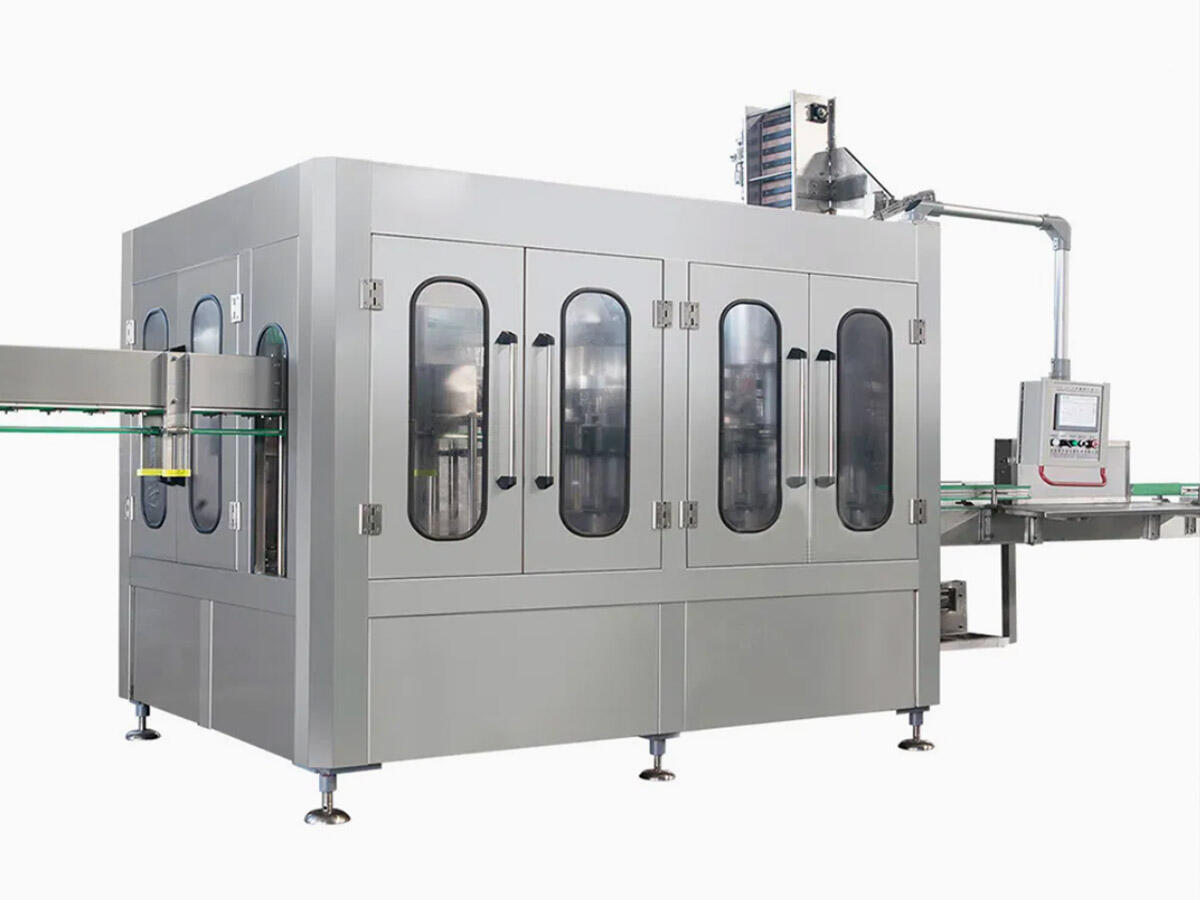
Today's automatic bottle fillers work using a coordinated system controlled by what's called a PLC, short for Programmable Logic Controller. When bottles come into the machine on the conveyor belt, special sensors check if they're properly positioned before turning on the filling heads. These heads can be set up to fill using either pressurized air or simple gravity depending on what works best for different products. The PLC handles all the timing for when valves open and close, controls how fast liquid flows, and adjusts conveyor speed so everything stays in sync. This kind of precision means most machines hit within half a percent accuracy on volume measurements, sometimes running as fast as over 200 bottles every single minute according to data from Universal Filling back in 2023. One juice company saw something amazing happen when they switched to these systems last year - their mistake rate dropped by almost 80% overnight. Makes sense really because sticky juices tend to cause problems with older equipment that wasn't designed for such precise control.
Key Components: Conveyor Systems, Sensors, and HMI Panels for Seamless Operation
Three core subsystems ensure reliable automation:
- Stainless steel conveyors with adjustable lanes accommodate containers from 100ml to 5L
- Infrared sensors detect missing caps or underfilled bottles, diverting rejects at 2m/sec
- 7-inch HMI touchscreens allow operators to adjust recipes without coding expertise
These components work together to minimize downtime—machines with servo-driven fill heads require 44% fewer adjustments than pneumatic models according to the 2024 Packaging Efficiency Report.
Case Study: Improving Efficiency at a Mid-Scale Beverage Plant with Automation
One European mineral water plant saw their production capacity jump nearly triple after they brought in this new 12 nozzle rotary filler equipped with those clever overflow sensors. Their PLC control system managed to slash product waste down by almost a third thanks to adjusting for changes in liquid thickness as it runs. Plus, those HMI guided cleaning routines saved them around 18 man hours every week on sanitation work. The whole setup paid for itself within just over a year even though it set them back about $225,000 initially. Industry reports from last year back up these kinds of results across similar facilities too.
Integrated 3-in-1 Filling Machines: Combining Rinsing, Filling, and Capping
Design and Workflow of 3-in-1 Automatic Bottle Filling Machine Systems
The latest 3-in-1 automatic bottle fillers make things much easier in manufacturing plants by combining three steps - cleaning, filling, and sealing - all under one programmable logic controller system. Bottles come onto the line through conveyors, and special upside-down nozzles clean them out either with compressed air or treated water to get rid of any contaminants. After sanitization, sensors kick off either volume measuring or gravity feed systems to put just the right amount into each container. Then comes the sealing stage where rotating heads tighten caps with controlled pressure so nothing leaks. What makes these machines stand out is how they coordinate everything together through their PLC brains. This synchronization cuts down wasted time between operations by about a quarter when compared to older setups where each step had separate equipment running independently.
Benefits of Modular and Compact Integration for Production Line Flexibility
Integrated designs cut out all those manual transfers between different machines, which saves about 40% on floor space while still keeping production going at around 150 to 200 bottles per minute. The modular parts make it easy to switch things around when dealing with various container sizes or thicker liquids, something that really matters for plants working with seasonal items. These compact setups are great for expanding operations too. Manufacturers can just plug in extra packaging modules for labeling or case packing right onto what they already have, no need to tear everything apart and start fresh.
Case Study: ZHANGJIAGANG LINKS MACHINE CO LTD’s Solution for Dairy Applications
One major name in beverage machinery recently installed a triple function system at a dairy operation where cleanliness was absolutely critical. Built from stainless steel and featuring Clean-in-Place technology, this machine ticked all the boxes for those strict pharmaceutical level sanitation requirements. The piston filler worked wonders with thick yogurt consistency without creating any mess during filling operations. Looking at what happened after installation tells quite a story too. Output jumped by around thirty percent overall, and there were practically no more cross contamination problems something that dropped down to just ten percent of what they used to experience with their old equipment.
Applications Across Beverage, Pharmaceutical, and Food Industries
Modern automatic bottle filling machines serve as cross-industry workhorses, adapting to diverse production demands while maintaining precision and compliance. Their versatility makes them indispensable for facilities handling everything from carbonated drinks to sterile pharmaceuticals.
Handling Different Liquids: From Thin Beverages to High-Viscosity Products
Modern filling systems can handle pretty much anything from water at 1 cP right up to those super thick pastes around 50,000 cP. They do this thanks to adjustable flow settings and special pumps configured for different products. Many beverage manufacturers now run dual purpose machines that switch between carbonated drinks which are low viscosity and syrup concentrates that are really viscous all on the same line. This setup cuts down on equipment expenses somewhere around 18 percent according to industry reports. Most facilities use food grade stainless steel throughout their contact points so they can switch products without worrying about contamination issues most of the time. Some companies still maintain separate lines for extremely sensitive products though.
Meeting Sanitation and Compliance Standards in Pharmaceutical Filling
In pharmaceutical manufacturing, meeting ISO 14644-1 Class 5 standards for cleanrooms along with proper documentation according to FDA regulations (21 CFR Part 11) is absolutely essential. Many top performing systems now incorporate CIP technology, which has shown around 99.98% effectiveness in sterilization based on independent testing reports. The industry relies heavily on real time monitoring of particles in the air combined with specially designed filling chambers that force air movement throughout the process. These measures help stop contaminants from getting into bottles during production of injectable drugs. For biological products where defects must stay below 0.1%, this kind of control becomes not just important but absolutely necessary for quality assurance purposes.
Scalability: Adapting Automatic Filling Equipment for Small and Large Facilities
With modular design principles, manufacturers can scale production anywhere between 500 and 50,000 bottles per hour all from the same foundational system. Most craft beer companies start out with semi-automated filling machines that have around eight heads, typically costing between thirty five thousand to sixty thousand dollars upfront. On the other end of the spectrum, big dairy operations go for massive rotary systems equipped with up to 144 nozzles, which run into hundreds of thousands of dollars when purchased new. What makes these systems really valuable is their ability to adapt over time. Many producers install retrofittable components such as automated vision inspection systems or additional conveyor lanes that help keep facilities relevant even as market demands change and grow.
User-Friendly Operation and Control in Modern Automatic Bottle Filling Systems
Ease of Operation: Intuitive HMI Interfaces and Setup Simplicity
Today's automatic bottle fillers really focus on making things easier for operators with those PLCs and HMI panels everyone talks about these days. Operators can tweak how much goes into each bottle, figure out what went wrong when there's a problem, and keep an eye on how many bottles are getting filled per hour right from those touchscreens. Plants that switched to these HMI systems saw their setup mistakes drop by almost two thirds compared to old fashioned manual setups according to recent studies in the industry journal. Stuff like how precisely bottles need to line up (within half a millimeter basically) and preset speeds for filling can all be saved for regular production runs, so nobody has to enter the same information over and over again for similar products.
Training and Onboarding: Reducing Downtime with Operator-Focused Design
These days manufacturers are building filling systems with step-by-step guidance and warning lights to cut down how long it takes to train workers. According to a recent PMMI report from 2023, plants that switched to machines with colored menu screens saw their onboarding process drop dramatically—from around two weeks down to just three days when bringing someone new onto the floor. And there's more good news too. Many systems now come with built-in maintenance alerts and troubleshooting tips right on the control panel itself. This has helped factories slash unexpected shutdowns by nearly three quarters according to industry data. For plant managers dealing with tight schedules and budget constraints, these improvements make all the difference in keeping production running smoothly day after day.
Balancing Full Automation with Operator Involvement in Quality Assurance
PLCs take care of those precise jobs such as measuring liquids down to within half a milliliter, but humans still need to watch out for anything odd happening during production runs. According to Deloitte's latest report from last year, facilities that mix machine-based filling with old fashioned eyeball inspections actually produce fewer defects overall. Their numbers show around 99.4 percent error free products when compared to completely automatic systems which only hit about 87 or so percent. What makes this combination work so well is that it keeps everything compliant with both ISO 9001 quality requirements and strict FDA rules while making sure someone is always looking over the shoulder of the machines just in case something slips through.
Selecting the Right Type of Automatic Bottle Filling Machine for Your Needs
Comparison of Gravity, Pressure, and Piston Filling Technologies
Automatic bottle filling machines use three primary technologies to handle diverse products:
| Technology | Best For | Speed (BPM) | Example Products |
|---|---|---|---|
| Gravity | Thin liquids (water, juice) | 120–200 | Still beverages, oils |
| Pressure | Foamy/carbonated liquids | 80–150 | Beer, sparkling water |
| Piston | High-viscosity products | 40–100 | Syrups, cosmetics, condiments |
Gravity systems use free-flow principles, making them ideal for low-viscosity liquids requiring high-speed filling. Pressure fillers inject liquids under controlled air pressure to minimize foam, critical for carbonated drinks. Piston fillers excel with thick materials like yogurt or shampoo, achieving ±1% accuracy even with particulates.
Matching Machine Type to Product Viscosity, Container, and Output Goals
Pairing technology with product characteristics is essential for optimizing throughput and minimizing waste. For example:
- PET bottles with carbonated drinks require pressure filling to preserve fizz integrity.
- Glass jars of honey need piston systems to handle viscosity while preventing dripping.
Leading manufacturers now offer adaptive filling systems that automatically adjust nozzle configurations for containers ranging from 50ml vials to 5L jugs. For facilities producing 10,000+ units daily, inline gravity fillers often deliver the best ROI, while smaller operations benefit from modular piston units that handle frequent product changes.
FAQ
What is a PLC in bottle filling machines?
A PLC, or Programmable Logic Controller, is an automated system used in bottle filling machines to control processes such as timing, valve operation, and conveyor speed, ensuring high accuracy and efficiency.
How do infrared sensors optimize the filling process?
Infrared sensors detect missing caps or underfilled bottles and divert them from the production line at high speed, thereby minimizing product waste and improving quality control.
What makes the 3-in-1 filling machines efficient?
The 3-in-1 filling machines integrate rinsing, filling, and capping into a single system, synchronized through a PLC. This reduces processing time and floor space while maintaining productivity.
Can these automatic filling machines adapt to different types of liquids?
Yes, modern automatic filling machines are equipped to handle a wide range of liquid viscosities from thin beverages to thick pastes through adjustable flow settings and specialized pumps.
What are the benefits of using HMI panels?
HMI panels provide an intuitive interface allowing operators to easily adjust settings, monitor production, and troubleshoot issues without requiring extensive training, thereby reducing setup errors and downtime.
Table of Contents
- How Fully Automatic Bottle Filling Machines Work and Their Core Technology
- Integrated 3-in-1 Filling Machines: Combining Rinsing, Filling, and Capping
- Applications Across Beverage, Pharmaceutical, and Food Industries
- User-Friendly Operation and Control in Modern Automatic Bottle Filling Systems
- Selecting the Right Type of Automatic Bottle Filling Machine for Your Needs
- FAQ