3-in-1 Integration of Rinsing, Filling, and Capping in Modern Water Filling Machines
How Integrated Systems Improve Efficiency and Reduce Footprint
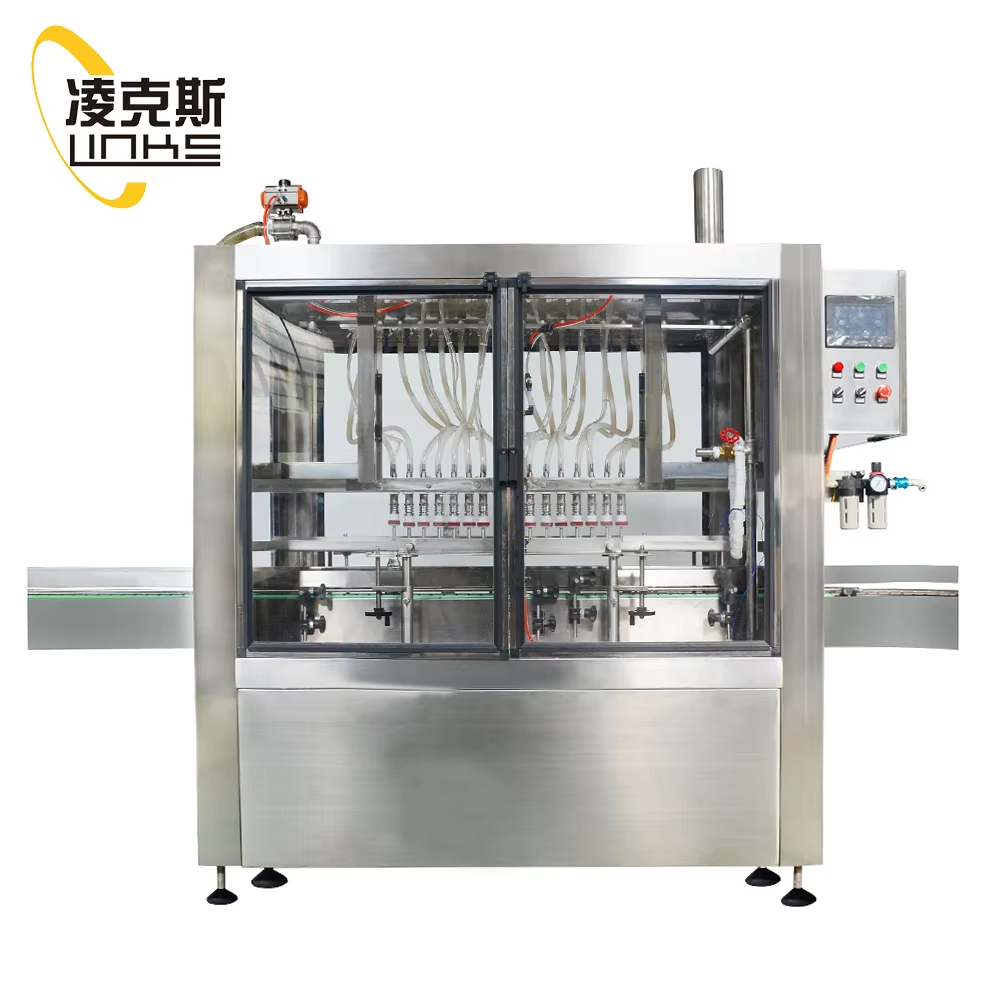
Today's water filling equipment brings together rinsing, filling, and capping functions in one compact unit, which can slash the factory footprint by around 40% when compared to older setups with separate machines for each step. Getting rid of those pesky transfer delays between different stations means manufacturers see their cycle times shrink anywhere from 12 to 18 percent according to recent industry reports. The real magic happens behind the scenes where synchronized operations run on shared servo motors and controlled through central PLC systems. This setup doesn't just streamline production but also makes a noticeable dent in overall energy bills since power usage drops significantly throughout every stage of the process.
Core Components: Rinsing, Filling, and Capping in Synchronized Operation
The three-stage system operates on a closed-loop conveyor:
- High-pressure inverted rinsing (80–120 psi) removes particulates using filtered water or ozone-infused sanitizers
- Volumetric piston fillers dispense 250 ml to 5L batches with ±1% consistency
- Torque-controlled cappers apply 8–14 N'm rotational force for leak-proof seals
Advanced sensors enable transitions within 0.3-second intervals, sustaining 98.5%+ line efficiency even at 400 bottles/minute speeds.
Case Study: Performance Gains at ZHANGJIAGANG LINKS MACHINE CO LTD
After adopting 3-in-1 integration, the facility reported:
| Metric | Before | After | Improvement |
|---|---|---|---|
| Production Speed | 280/min | 390/min | 39.3% |
| Energy Use/Bottle | 0.12 kWh | 0.08 kWh | 33.3%— |
| Floor Space Occupied | 85 m² | 54 m² | 36.5%— |
Dual-stage sterilization protocols reduced microbial contamination incidents by 91% post-implementation.
Industry Trend: Demand for Compact, Multi-Functional Water Filling Machines
Seventy-two percent of beverage manufacturers now prioritize footprint reduction in equipment purchases (Global Bottling Survey 2024). Emerging hybrid designs integrate UV sterilization with AI-driven predictive maintenance, enabling format changeovers in under 30 minutes. These innovations support micro-bottlers producing 5,000–50,000 units/day while maintaining compliance with purity standards such as FDA 21 CFR Part 129.
Precise Volumetric Filling and Level Sensing for Maximum Accuracy and Waste Reduction
Challenges of Overfilling and Underfilling in High-Speed Lines
Water filling machines running at high speeds struggle to keep things consistent when it comes to how much liquid goes into each container. When too much gets poured out, companies waste around 3 to 5 percent of their product every year on each production line. On the flip side, if bottles come out underfilled, this can lead to expensive recall situations that hurt both wallets and brand image. The problem gets worse as temperatures fluctuate or nozzles start wearing down over time. At speeds above 80 containers per minute, small inconsistencies matter a lot. Just think about those tiny 2 milliliter differences adding up across all those bottles - we're talking thousands of liters disappearing from operations each month without anyone really noticing until the numbers don't add up anymore.
Volumetric vs. Gravimetric Filling: Technologies Compared
| System | Accuracy | Speed (Bottles/Min) | Best Use Case |
|---|---|---|---|
| Volumetric Filling | ±1% | 60–500 | Water, juices, low-viscosity |
| Gravimetric Filling | ±0.5% | 40–150 | Viscous fluids, dairy products |
Volumetric systems dominate water bottling due to their 5–8x faster throughput. Leading manufacturers now adopt hybrid approaches that leverage volumetric speed with periodic gravimetric verification every 500 cycles, ensuring sustained accuracy below 1% error margins.
Achieving ±1% Accuracy with Advanced Sensors and Calibration
Pharmaceutical-grade precision is achieved through MEMS flow sensors sampling at 1,000 Hz and self-adjusting piston actuators. A 2023 industry study found dual-redundant Coriolis meters reduced overfilling by 72% versus single-sensor configurations. Daily automated calibration using ISO-standard reference weights minimizes drift, maintaining fill accuracy within 5 mL variance across 20L containers.
Laser-Based Level Detection and Real-Time Adjustment Systems
Infrared laser arrays scan bottle necks at 60 frames/sec with 0.15mm resolution. When paired with AI-powered predictive algorithms, these systems adjust fill valves 200ms before deviations occur. This real-time correction has enabled continuous 24/7 operations with less than 0.8% rejection rates—significantly better than the 2.3% average seen with mechanical level sensors.
Automated Bottle Capping and Seal Integrity Assurance
Common Cap Defects and Their Impact on Product Safety
When it comes to bottled water production, problems like cross threaded caps, off center seals, and uneven tightening often result in failed seals. A recent packaging safety report from 2023 found that around 0.8 percent of those manual capping mistakes actually allow bacteria to get inside, which ends up costing the whole industry about seven hundred forty thousand dollars each year in product recalls. The good news is automated filling equipment helps cut down on these issues significantly. These machines place caps with much greater accuracy, cutting thread damage incidents by nearly ninety two percent compared to manual methods. Plus, modern systems equipped with servo motors can spot bottles with damaged necks or seating problems long before they even get capped, stopping defective products from making it into circulation altogether.
Torque Control and Anti-Tamper Mechanisms in Servo-Driven Cappers
Today's servo cappers can hold torque accuracy within about 0.25 Nm when working with different types of caps like PET, HDPE, and aluminum. That represents roughly three times better performance compared to older pneumatic systems. The improved control helps stop those annoying leaks caused by not enough torque, which actually accounts for around 47 percent of products returned by customers at stores. At the same time it stops the damage that happens when caps are tightened too much, something that ruins the tamper evidence features on packaging. These modern machines have electromagnetic heads with special anti-reverse threading tech built in. This prevents caps from coming loose during shipping and transportation. Tests show these systems retain seals at an impressive rate of nearly 99.98% even when subjected to vibrations according to ASTM D999 standards.
Integrating Vision Systems for 100% Cap Inspection
The system uses high speed CMOS cameras combined with machine learning algorithms to check around 2,400 bottle caps per minute. It looks at things like how straight they sit on the bottle (within about half a millimeter), whether the tamper bands are intact, and if the printing is properly oriented. When something goes wrong, the defective cap gets blown out pneumatically right away, and this doesn't slow down production which can still run at speeds of up to 600 bottles per minute. Field tests from recent installations show these systems catching nearly all defects with an accuracy rate of about 99.7%. They can spot tiny cracks measuring just 50 micrometers across, which is really important because even those microscopic flaws could let CO2 escape from carbonated drinks over time.
PLC-Based Automation and Smart Control for Reliable Water Filling Operations
Overcoming Manual Limitations With Programmable Logic Controllers
Modern water filling equipment relies on PLC systems (those programmable logic controllers) to coordinate everything from fill speed to where nozzles point and how containers move along the line, all within about half a percent timing error. Manual operations typically max out around 200 bottles per hour, while these automated systems maintain almost perfect consistency even when running at 12,000 bottles an hour. The result? Beverage producers see roughly a 40% boost in overall plant efficiency compared to older methods. And thanks to millisecond precision in controlling valves, there's about 23% less wasted product from overfills. We've seen this work across multiple facilities certified under ISO 9001 standards for quality management.
HMI and Cloud-Connected Systems for Remote Monitoring and Diagnostics
Operators manage production settings via 10-inch HMI touchscreens, adjusting fill volumes or capping torque remotely. Cloud-connected systems reduce unplanned downtime by 31% through remote diagnostics, with technicians resolving 83% of servo motor faults via encrypted data streams (McKinsey 2023). Real-time OEE dashboards help top-performing plants achieve 94% asset utilization.
Preventive Maintenance Through Real-Time System Alerts
PLC networks predict failures 8–12 hours in advance using monitored parameters:
| Parameter | Alert Threshold | Action Triggered |
|---|---|---|
| Pump Vibration | >4.5 mm/s² | Auto-slowdown + SMS alert |
| Conveyor Belt Friction | >0.35 µ | Lubrication system activation |
| Sterilization Temperature | <85°C for >120 sec | Production halt + HMI alarm |
Facilities using predictive alerts report 30% fewer emergency repairs and 19% lower annual maintenance costs compared to schedule-based methods (Deloitte 2023).
Ensuring Purity: From Bottle Rinsing to Contamination-Free Filling
Eliminating Pre-Fill Contamination with Air and Water Jet Rinsing
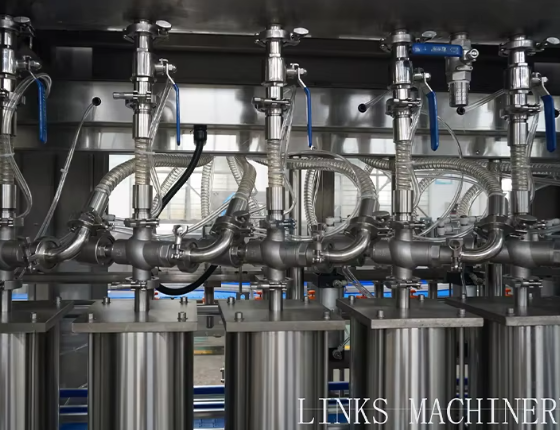
The combination of air and water jets gets rid of almost all the dirt and germs hanging around on containers before they get filled. First comes high pressure air blasting away loose particles, then hot water jets between 60 to 80 degrees Celsius take care of stubborn biofilm buildup. The system adjusts spray time and pressure based on how the bottles look, typically running for 2 to 5 seconds at pressures ranging from 2 to 4 bars. According to recent research published in Food Safety Journal back in 2023, this method knocks out over 99.7% of contaminants. What does that mean practically? It cuts down bacteria levels by three orders of magnitude, which is well within the requirements for food safety standards across most industries today.
Closed-Loop Transfer and 0.2 µm Sterile Filtration
Closed loop systems keep contaminants out of the environment entirely. They use special 316L stainless steel pipes that help maintain water quality standards throughout processing. The system includes those tiny 0.2 micrometer membrane filters which catch pretty much everything bad floating around in there like bacteria, yeast cells, and even mold spores. These filters actually meet what's called a Sterility Assurance Level of 1e-6 according to industry standards. And here's something really cool about these systems too. When problems happen with the filters, real time conductivity sensors pick it up immediately and shut things down automatically. This prevents contamination issues before they become major problems. Studies show this approach cuts down on microbiological problems by about 82 percent compared to older open loop methods as reported in Beverage Production Quarterly last year.
Ozonization and Sanitization Protocols to Prevent Biofilm Formation
The ozonization process typically runs at around 0.1 to 0.3 parts per million residual ozone levels and sanitizes equipment nozzles and valves approximately every eight hours. This helps break down organic material before it can form stubborn biofilms. After each shift, facilities run hot water treatments at about 85 degrees Celsius for half an hour to knock out those tough heat resistant pathogens. For deeper cleaning, they perform monthly flushes with peracetic acid which tackles endotoxin accumulation issues. According to recent industry reports from the International Bottled Water Association in 2023, plants implementing these combined cleaning methods saw roughly a two thirds drop in ATP swab test failures across their operations.
Compliance with FDA, USDA, and ISO Standards in Machine Design
Machines meet FDA 21 CFR Part 129, USDA Dairy Grade 3-A, and ISO 22000 requirements through hygienic design and certified materials. Critical surfaces feature electropolishing (Ra ≤ 0.8 µm) and sloped geometries to prevent pooling. Third-party audits confirm cleanability, with 97% of systems passing ASME BPE-2022 inspections unmodified (Global Food Safety Initiative 2024).
FAQ Section
What are the benefits of the 3-in-1 water filling machine?
The 3-in-1 water filling machine offers improved efficiency by reducing factory footprint, cycle times, and energy usage through synchronized operation of rinsing, filling, and capping processes.
How does volumetric filling compare to gravimetric filling?
Volumetric filling is faster and works well with water and juices, while gravimetric filling is more accurate and suitable for viscous fluids and dairy products.
What technologies help ensure accurate filling and capping?
Advanced sensors, laser detection systems, torque control mechanisms, and vision systems monitor and adjust filling and capping in real time to prevent defects and ensure precision.
How do automated systems improve bottling operations?
Automated systems use PLCs, remote monitoring, and preventive maintenance alerts to enhance efficiency, reduce downtime, and optimize overall production processes.
Table of Contents
- 3-in-1 Integration of Rinsing, Filling, and Capping in Modern Water Filling Machines
- Precise Volumetric Filling and Level Sensing for Maximum Accuracy and Waste Reduction
- Automated Bottle Capping and Seal Integrity Assurance
- PLC-Based Automation and Smart Control for Reliable Water Filling Operations
- Ensuring Purity: From Bottle Rinsing to Contamination-Free Filling
- FAQ Section