
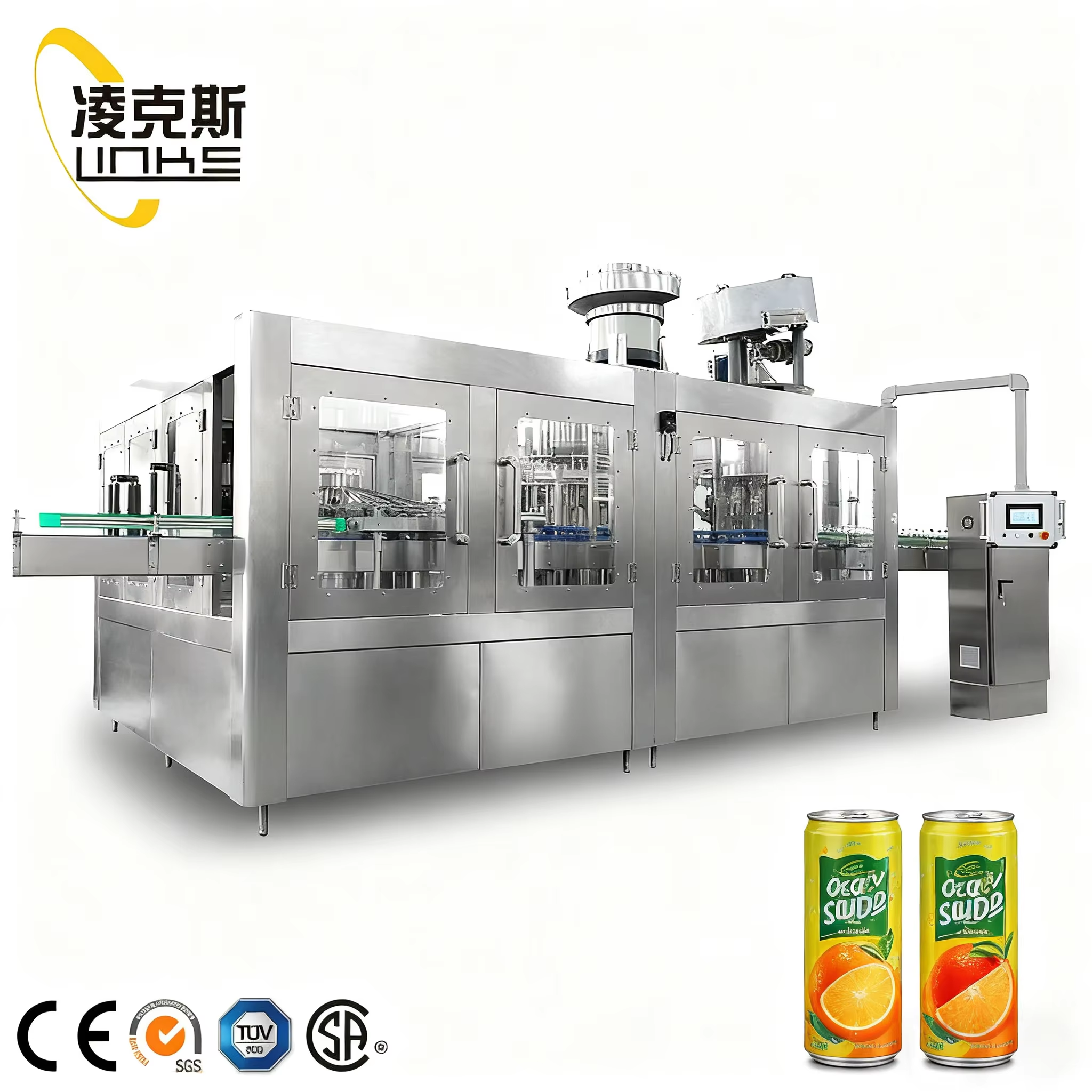
Multi-Material Compatibility: How Modern Juice Filling Machines Handle PET, Glass, and Aluminum
Modern juice filling machines achieve versatile material handling through precision-engineered mechanics that adapt to container-specific requirements. This capability allows manufacturers to efficiently package juices in PET, glass, and aluminum formats without compromising production speed or product integrity.
Material-Specific Handling Mechanics: Sealing, Gripping, and Stability at High Speed
Different materials need different approaches when it comes to handling them properly on production lines. Take PET bottles for instance they need special low pressure grippers so they don't get squished but still move along at impressive speeds over 30 thousand bottles per hour. Static control systems help keep everything lined up correctly as they fill. Glass containers present their own challenges too. These often sit on conveyors that absorb vibrations and have soft padded grippers to minimize breakage rates down below 0.1 percent even when running at maximum capacity. Aluminum cans require careful attention as well. Specialized seaming heads must apply just the right amount of pressure to seal them tightly without damaging those thin metal walls. And let's not forget about conveyor belts which are actually customized for each material type. They control how fast things accelerate across the line gentler slopes work best for fragile glass products while PET can handle much steeper inclines because it's lighter weight nature allows for faster movement without risk of toppling over.
Quick-Changeover Systems for Seamless Switching Between Bottle Types
Modular design enables rapid transitions between materials in under 15 minutes. Tool-free components allow operators to:
- Swap gripper arms and filling nozzles via magnetic coupling
- Adjust conveyor heights through programmable logic controllers
-
Reconfigure sealing parameters with preset material profiles
Automated calibration synchronizes filling volumes (±0.3%) and capping torque across different containers. This eliminates manual recalibration, reducing changeover errors by 70% while maintaining hygienic standards. The system supports small-batch production runs and seasonal packaging shifts without secondary equipment.
Cold Fill Technology and Hygienic Design for Juice Integrity
Ultra-Clean Cold Fill: Preserving Nutrients and Flavor Without Thermal Degradation
Today's juice filling equipment relies on cold fill methods to handle drinks at room temperature inside sterile settings. What makes this approach special is how it keeps those sensitive nutrients intact along with the vibrant colors and subtle taste profiles that get lost when things get too hot during processing. Before going into the containers that have already been sterilized, most liquids pass through either microfiltration systems or receive UV treatments in specially designed chambers. Sealing happens right away which stops any unwanted bacteria from getting in and cuts down on power usage by around 40 percent when compared to traditional hot fill approaches. Juice manufacturers love this because it lets them keep all those valuable nutrients in their products without needing chemical preservatives. Plus, the sophisticated aseptic controls mean these premium fruit juices and plant based drinks can sit on store shelves longer even if they don't contain much acid.
Hygienic Valve Engineering: Non-Contact Filling for Low-Acid, Sensitive Juices
Non-contact valve systems help keep microbes out of delicate juice operations thanks to some smart engineering tricks. The filling heads stay just far enough away from the bottle mouths so there's absolutely no touching happening between components. Manufacturers also use smooth, crevice-free surfaces made from electropolished stainless steel which makes those important cleaning processes (CIP and SIP) work much better. For juices that aren't very acidic (anything above pH 4.6 really), this matters a lot because bad bacteria can grow 12 times faster than in more acidic drinks. The system works by creating laminar flow that stops tiny droplets from forming in the air, plus special seals stop dust and other particles from getting inside. These valves cut down on cross-contamination problems by around 93% in products without preservatives, something that's becoming increasingly common these days. They handle thick mixtures too, think about those pulpy orange juices or tropical blends that are so popular right now. And all this happens while keeping everything sterile during massive production runs that can churn out over 35 thousand bottles every single hour.
Precision Performance: Fill Accuracy, Speed, and Consistency Across Container Types
Volumetric Accuracy (±0.3%) Achieved at 35,000 BPH Across PET, Glass, and Aluminum
Today's juice filling machines can hit volumetric accuracy around plus or minus 0.3% while running through 35 thousand bottles each hour, no matter what kind of containers they're filling. This level of accuracy meets the standards set out in ISO 22000:2018 for food machinery performance, which helps manufacturers avoid giving away extra product and stay compliant with labeling laws. The best systems incorporate servo driven pumps along with real time flow measurement tech that adjusts automatically when dealing with different juice viscosities or varying bottle neck sizes. When operating at top speed, these machines have special grippers that apply just the right amount of pressure on PET plastic, glass, and aluminum bottles alike. This keeps carbonated drinks from foaming over during fill and ensures there's minimal air space left in non carbonated varieties. Companies report saving between 18 to 22 percent less wasted product every year compared to older methods. Plus, these advanced fillers can handle changes in container shape halfway through production runs, something that matters a lot for brands offering limited edition or seasonal packaging options throughout the year.
Smart Automation and Operational Efficiency in Juice Filling Machines
Automation has become a game changer for operations efficiency thanks to real time sensors working alongside smart control systems. The technology keeps an eye on how full bottles are getting and whether they're lined up properly, making adjustments on its own to cut down mistakes and waste. We've seen facilities reduce overfilling by around 15% when running at top speed. PLC systems handle everything from filling to putting caps on and applying labels, which means factories can save anywhere from 20% to 30% on labor costs without sacrificing accuracy. Companies are also installing energy efficient parts like motors that don't guzzle power, helping keep those monthly bills down. And with quick changeover features, switching between different container types like PET plastic, glass jars, or aluminum cans takes minutes instead of hours. All these improvements mean faster production times, better environmental performance, and products that look and perform consistently well batch after batch.
FAQ Section
What materials can modern juice filling machines handle?
Modern juice filling machines are capable of handling PET, glass, and aluminum containers efficiently.
How do juice filling machines achieve material compatibility?
The machines use precision-engineered mechanics that adapt to specific container requirements, allowing versatile material handling.
What is the advantage of cold fill technology?
Cold fill technology preserves nutrients, flavor, and color without thermal degradation, ensuring product integrity without the need for preservatives.
How do quick-changeover systems benefit production?
They enable rapid transitions between materials in under 15 minutes, reducing errors and maintaining hygienic standards without secondary equipment.
Table of Contents
- Multi-Material Compatibility: How Modern Juice Filling Machines Handle PET, Glass, and Aluminum
- Cold Fill Technology and Hygienic Design for Juice Integrity
- Precision Performance: Fill Accuracy, Speed, and Consistency Across Container Types
- Smart Automation and Operational Efficiency in Juice Filling Machines
- FAQ Section