
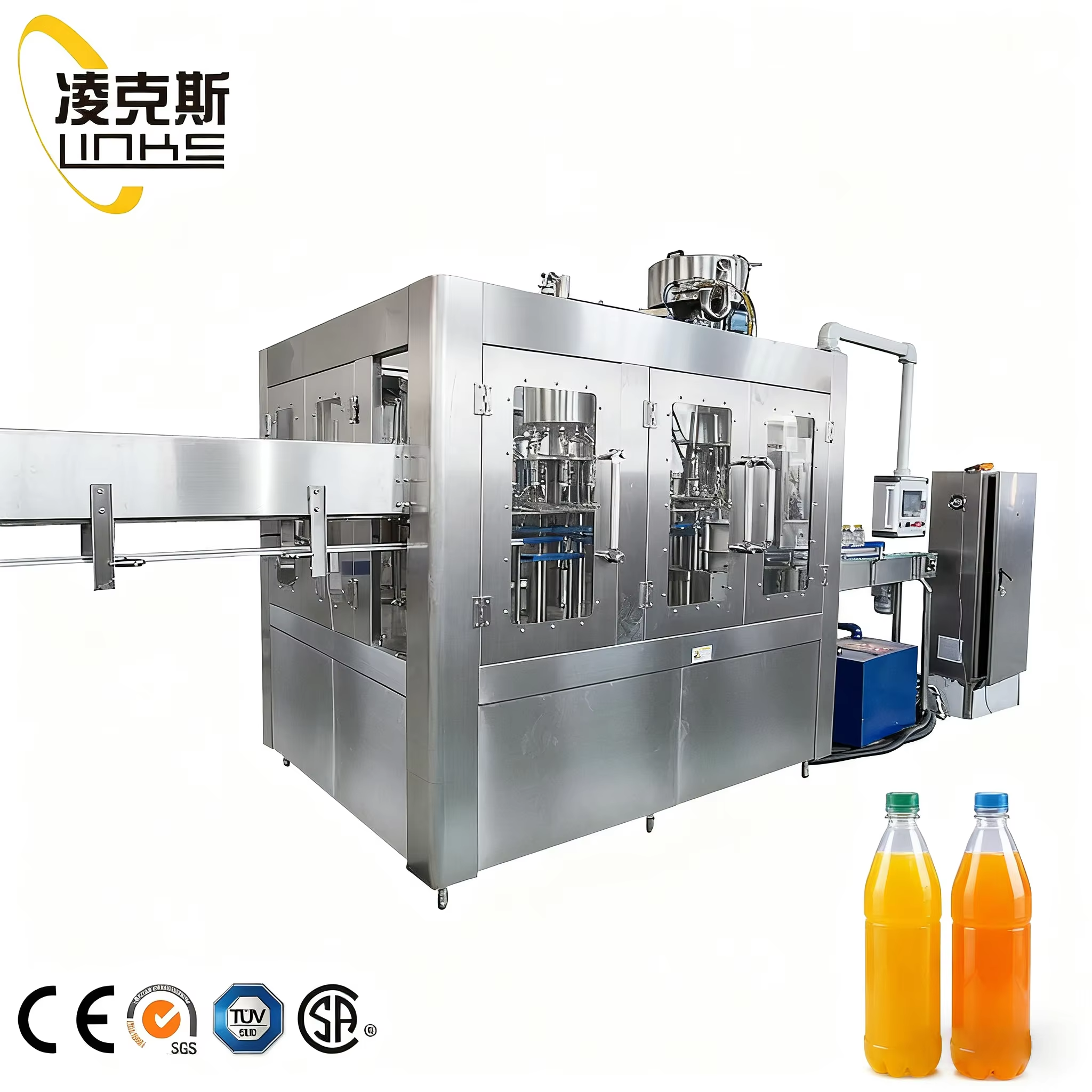
Cold-Fill Technology and Temperature Precision for Flavor & Nutrient Integrity
How aseptic cold-fill preserves volatile aromas and heat-sensitive vitamins
Cold fill tech keeps things cool during the whole filling operation, usually staying under around 70 degrees Fahrenheit. This helps protect the juice from getting damaged by heat. Hot fill processes expose products to high temps for longer periods, which breaks down important nutrients like vitamin C. Research published in the Journal of Industrial Food Safety back in 2022 found that vitamin C levels can drop by nearly half when exposed to these higher temperatures. What makes cold fill different is how it combines quick sterilization techniques using either hydrogen peroxide or steam right before filling, followed immediately by cooling down the product. This preserves those delicate flavors we associate with fresh squeezed juice. Take orange juice for instance cold fill methods manage to keep about 95 percent of limonene intact compared to traditional hot fill approaches. Limonene is what gives citrus drinks their distinctive scent and taste profile.
Real-time temperature control during filling to suppress enzymatic browning and off-flavor development
The latest juice filling equipment comes equipped with really accurate sensors that control coolant flow as it happens, keeping fill temps right around ±1°F (±0.5°C). Maintaining this kind of temperature stability matters a lot when it comes to stopping polyphenol oxidase, which is basically what makes apple and pear juices turn brown over time. Studies have shown again and again that if temperatures go above 45°F (7°C), oxidation speeds up dramatically, and we start getting those unpleasant flavors developing in just a few short hours. That's why manufacturers focus so much on maintaining consistently cold temperatures during the filling process. It really makes all the difference in preserving both the look and taste of fresh juice products.
- Conversion of phenolic compounds into bitter-tasting quinones
- Degradation of ferulic acid, a contributor to cardboard-like off-notes
- Non-enzymatic Maillard reactions that dull brightness and introduce stale notes
Per FAO guidelines, maintaining fill temperatures below 40°F (4°C) extends shelf life by 21 days while safeguarding sensory integrity from line to shelf.
Oxidation Prevention Through Inert Gas Flushing and Hermetic Sealing
Nitrogen or CO2 Flushing: Eliminating Headspace Oxygen Before Sealing
Flushing bottles with inert gases like nitrogen or carbon dioxide removes leftover oxygen from the headspace before sealing, which creates that oxygen-free environment needed to keep flavors fresh and nutrients intact. Even small amounts of oxygen, around 1-2%, can start those unwanted chemical reactions that lead to browning and breakdown of quality. When done right, this method really makes a difference, often doubling or even tripling shelf life while keeping sensitive nutrients such as vitamin C from disappearing. Nitrogen is great because it doesn't affect pH levels or alter taste, so it works well for more delicate product blends. Carbon dioxide has its own advantages too, especially in acidic drinks like orange juice or cranberry juice where it helps control microbes naturally. Research indicates that properly flushed juices hold onto about 90% of their important flavor compounds after sitting on shelves for half a year, compared to only around 40% when exposed to regular air.
Hermetic Seal Integrity Testing and Its Direct Impact on Shelf-Life and Taste Stability
The real value of gas flushing comes through only if we have completely airtight seals in place. To check these seals properly, manufacturers now rely on automated tests that look at things like vacuum decay measurements, differences in pressure readings, and even lasers that spot tiny leaks down to microscopic levels. Even one bad seal letting in as little as 0.1% oxygen can cause serious problems pretty quickly. We start seeing changes in flavor after about a month, lose around 15% of nutrients each month, and get issues where pulp separates from juice in products that should stay cloudy. The industry has developed strict quality checks to keep seal failures below 0.01%, which allows products to last well over a year while still maintaining their original smell, appearance, and texture characteristics.
Sanitary Construction and Automated CIP for Microbial-Free Flavor Purity
The design of juice filling machines has a major impact on maintaining flavor quality, not just product safety standards. When it comes to hygienic construction, manufacturers rely heavily on food grade 316L stainless steel because it doesn't absorb anything, resists corrosion, and gets polished down to around 0.8 microns roughness average. This helps stop biofilms from sticking to surfaces when dealing with acidic products. Equipment designers also focus on sloping all surfaces so nothing collects there, keeping dead legs to a minimum and making sure welds are properly sealed. These features help eliminate spots where microbes might hide out, especially since leftover sugars or other organic materials can actually feed bad bacteria or leave behind traces of cleaning chemicals that affect taste. Automated CIP systems handle most cleaning tasks without needing to take apart components, which cuts down on mistakes made by people during manual cleaning processes. Studies suggest these systems reduce contamination risks by something like 99.7%, though actual results vary depending on maintenance practices. Proper spray coverage, accurate chemical measurements, and controlled water temperatures during rinsing steps work together to wipe out any remaining biofilm throughout the entire system. With such thorough sanitation measures in place, juice maintains its intended flavor profile throughout production runs. There won't be unwanted metallic tastes, strange fermentation characteristics, or lingering cleaner smells – just consistently good tasting juice from the moment it goes into the machine until it's finally sealed for distribution.
FAQ
What is cold fill technology?
Cold fill technology involves keeping the product below about 70 degrees Fahrenheit during filling, using quick sterilization just before filling, and cooling down immediately after to preserve nutrients and flavors.
How does cold fill technology protect nutrients in juice?
Cold fill methods prevent exposure to heat, which can degrade vitamins like vitamin C. Studies have shown that hot filling can reduce vitamin C levels by half.
What role do inert gases play in juice filling?
Inert gases like nitrogen or carbon dioxide flush oxygen from the headspace before sealing, preventing unwanted chemical reactions and preserving nutrients and flavors.