
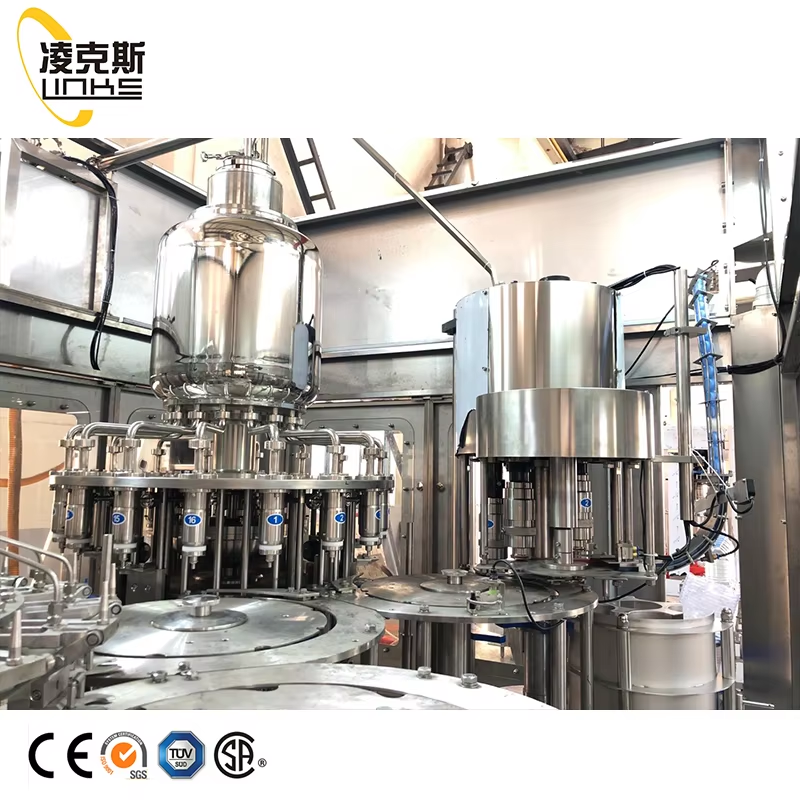
How Hot Fill Juice Filling Machines Ensure Microbial Safety and Extended Shelf Life
Thermal Sterilization Principles in Hot Fill Juice Filling Machines
Juice filling machines that use hot fill technology keep drinks safe from microbes by heating acidic beverages up to around 88 to 90 degrees Celsius before they go into containers. This temperature range actually breaks down proteins in harmful bacteria and other spoilage organisms, according to guidelines published by the FDA in their Juice HACCP document back in 2022. When the heated liquid touches the inside of containers and their lids during filling, it basically sterilizes everything at once. There's no need for extra cleaning steps beforehand because the heat takes care of all that work automatically. Some important results of this process are:
- Extended shelf life: 6–12 months at ambient temperatures without refrigeration or preservatives
- Container sanitization: Bottles and caps are thermally decontaminated in situ
- Vacuum formation: Controlled cooling creates a hermetic seal that inhibits recontamination and oxidative degradation
Temperature consistency is maintained via closed-loop recirculation systems, ensuring uniform lethality even during brief production pauses.
Real-World Performance: 88°C Hot Fill Juice Filling Machine at 25,000 BPH for Shelf-Stable Orange Juice
The hot fill system used commercially for pasteurized orange juice handles around 25,000 bottles each hour with pretty impressive temperature control of plus or minus 0.5 degrees Celsius at the crucial 88 degree fill point. Testing has shown these products stay stable on shelves for nine months without refrigeration, which ticks all the boxes for both FDA standards and the EU's Regulation EC No. 2073/2005 regarding microbes in acidic drinks that last long without spoiling. When filling happens, turning the bottles upside down makes sure the caps get properly sterilized. After filling, there's a careful three stage cooling process from 85 down to 65 then finally 45 degrees Celsius. This gradual approach stops the plastic bottles from warping and keeps their oxygen barrier intact below 0.01 cubic centimeters per package per day. Maintaining this barrier is absolutely essential for keeping those important vitamins like C intact and stopping the juice from losing its fresh taste over time.
How Cold Fill Juice Filling Machines Preserve Sensory Quality and Bioactive Nutrients
Enzyme Inactivation, Oxygen Control, and Aseptic Integration in Cold Fill Juice Filling Machines
Cold fill juice filling machines achieve microbial safety without thermal degradation by integrating three synergistic technologies:
- Enzyme management: Instead of heat-based inactivation, natural polyphenol oxidase and pectinase activity is controlled via pH optimization (target pH ≤3.8) and ascorbic acid fortification
- Oxygen exclusion: Dissolved oxygen is reduced to <1 ppm using integrated nitrogen or CO₂ flushing—preventing oxidation of anthocyanins, vitamin C, and polyphenols
- Aseptic assurance: Filling occurs in ISO Class 5 cleanrooms with sterile air curtains and automated hydrogen peroxide spray systems, validated per ISO 13408-1
This approach retains 98% of native vitamin C—significantly higher than hot fill’s 82% retention (Journal of Food Science, 2023)—while preserving fresh aroma, color, and mouthfeel. No thermal “cooked” notes are introduced, making it ideal for premium, unpasteurized-style juices.
Meeting Market Demand: HPP-Compatible Cold Fill Juice Filling Machines for Cold-Pressed Beverages
Cold pressed juice sales have been climbing around 15% each year according to Beverage Industry Report data from 2024. That's why manufacturers are now building their cold fill machines with built-in compatibility for High Pressure Processing (HPP). These machines come equipped with stainless steel manifolds rated for up to 6,000 bars of pressure, special belts that minimize oxygen exposure during transfers, plus modular connections so they can hook directly into HPP equipment. The result? Juice makers can process delicate functional blends like those turmeric ginger shots without worrying about heat damage. Tests show anthocyanins stay intact in over 95% of cases. Tasters regularly give better scores to products made using this cold fill plus HPP method when it comes to color vibrancy, fresh taste, and how nutritious they seem compared to stuff made with traditional heating methods.
Selecting the Right Juice Filling Machine: Key Technical and Commercial Decision Factors
Sterilization Strategy Alignment: Thermal (Hot Fill) vs. Aseptic + Preservative (Cold Fill)
When deciding between different processing methods, manufacturers need to consider several factors including what goes into their products, what regulations apply, and how they want to position their brand in the market. Hot filling works by heating everything up to at least 85 degrees Celsius to kill off bacteria, which means no preservatives are needed for juice products that can sit on store shelves without refrigeration. This method really shines when dealing with acidic drinks since there's almost no risk from dangerous bacteria like Clostridium botulinum. On the other hand, cold filling uses sterile chambers along with allowed preservatives such as potassium sorbate while keeping temperatures below 25 degrees Celsius. According to research published in 2021 by IFT, this approach keeps about 92 percent of vitamin C intact compared to just 78 percent with hot filling. Although cold filled products maintain better nutritional value and taste qualities, they demand tighter control over production conditions and require mentioning preservatives on labels. That makes hot filling easier to manage for regular shelf stable products, whereas cold filling tends to be preferred by companies marketing premium, all natural cold pressed juices.
Packaging Compatibility and Thermal Stress Management for PET Bottles in Hot Fill Juice Filling Machines
The structural integrity of PET bottles becomes really important during hot fill processes when temperatures exceed 82 degrees Celsius. At these high temps, we start seeing issues like shrinkage and those annoying panel deformations that can ruin product appearance. Industry leaders tackle these problems using several approaches: first, they employ crystallized PET base cups which provide better resistance. Then there are those vacuum compensating panels that help maintain shape. And finally, most systems use carefully controlled cooling tunnels that bring down temperature step by step from around 85 to 65 then down to 45 degrees Celsius. All these combined keep the bottles dimensionally stable while keeping oxygen transmission rates under control at less than 0.01 cc per package per day. This level of protection matters because it preserves sensitive nutrients and stops those unwanted flavors from developing over time. When dealing with carbonated drinks, manufacturers turn to special PET materials with multiple layer gas barriers. But despite all these advances, many still prefer cold filling methods for products that are particularly delicate, have low acid content, or contain effervescent ingredients since repeated heating can cause quality issues down the line.
Future-Proofing Your Beverage Line: Hybrid and Smart Juice Filling Machine Capabilities
Beverage manufacturers are turning to hybrid juice filling equipment that brings together both hot and cold fill functions in one system. These machines let factories switch quickly between different processing methods - using heat sterilization for products that need shelf stability versus the gentler approach required for juices containing sensitive nutrients. Changeovers take about half as long as traditional setups, which means companies can handle multiple brands and product variations without needing separate lines for each. Smart features have also become standard in modern juice fillers. Many now come equipped with internet-connected sensors and machine learning tools that help keep things running smoothly. The predictive maintenance software catches potential breakdowns before they happen, accurate around 90% of the time according to field reports. At the same time, continuous monitoring keeps fill levels within tight margins (about plus or minus half a percent) and spots issues that might lead to contamination risks. All these improvements cut down on wasted ingredients by somewhere between 15 and 30 percent, save energy during production, and prepare facilities for what regulators will probably demand next regarding environmental impact. Consumers want cleaner labels and fresher products anyway, so getting ahead of those expectations makes good business sense too.
FAQ
Why is hot fill juice processing important for microbial safety?
Hot fill processing involves heating the juice to eliminate potentially harmful bacteria, ensuring long-term safety and shelf stability without the need for preservatives.
How does cold fill juice filling preserve nutrients better than hot fill?
Cold fill uses lower temperatures and maintains better nutrient levels through enzyme management and oxygen control, which help in retaining a higher percentage of vitamins compared to hot fill.
What is High Pressure Processing (HPP) in juice filling?
HPP is a method used with cold fill machines to preserve juice by using high pressures to deactivate microbes without the need for heat, thus maintaining the juice’s fresh taste and nutrient content.
Table of Contents
- How Hot Fill Juice Filling Machines Ensure Microbial Safety and Extended Shelf Life
- How Cold Fill Juice Filling Machines Preserve Sensory Quality and Bioactive Nutrients
- Selecting the Right Juice Filling Machine: Key Technical and Commercial Decision Factors
- Future-Proofing Your Beverage Line: Hybrid and Smart Juice Filling Machine Capabilities