
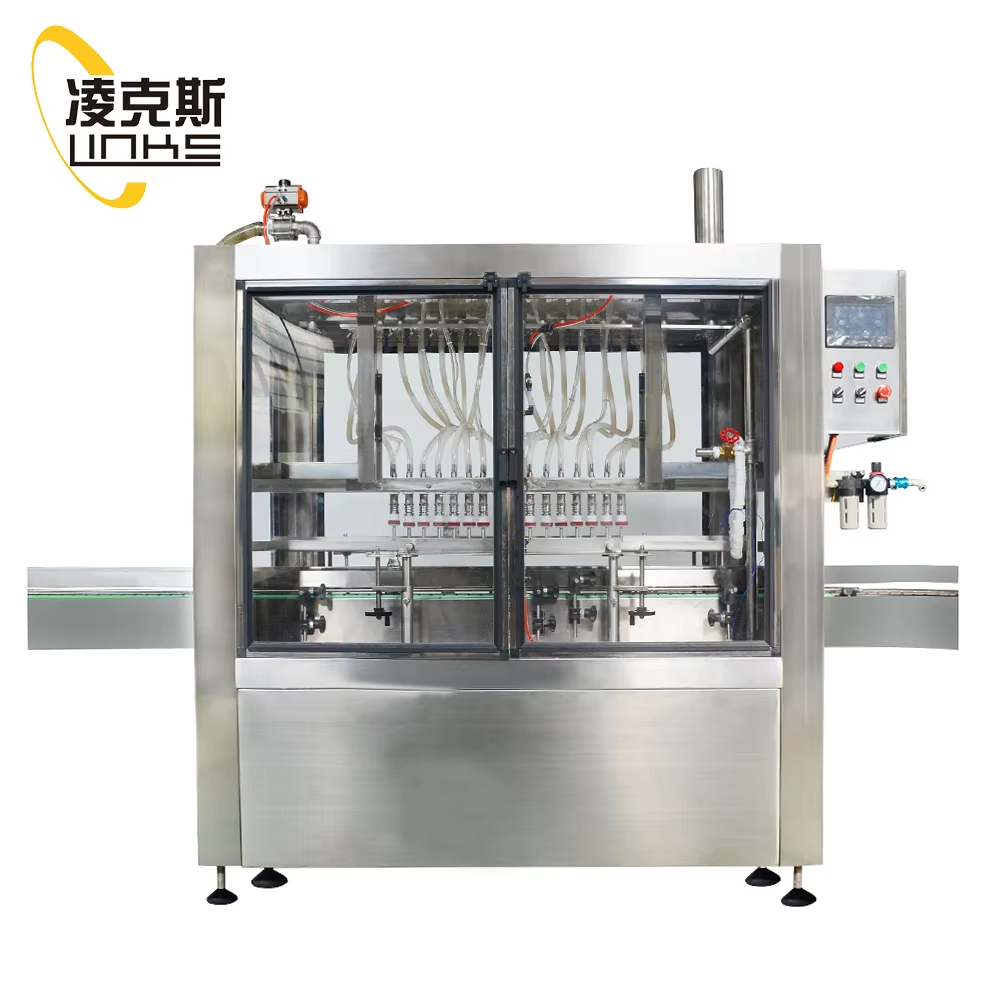
Historical Development of Bottle Filling Machines
The journey of bottle filling machines has taken them from simple manual setups to today's sophisticated automated systems throughout the last hundred years or so. Back in the early 1900s, operators had to work those hand cranks and rely on gravity to get bottles filled, which wasn't very accurate at all. Error rates back then were actually pretty bad, sometimes going over 5% according to IBISWorld data from 2023. Things started looking up in the 90s when companies introduced servo-driven tech that cut down on spills to just half a percent while also making production twice as fast. One big leap forward happened when manufacturers began using programmable logic controllers, or PLCs for short. These little boxes of magic allowed for much more precise measurements regardless of what size containers were being filled or how thick the liquid was. Suddenly, factories could handle everything from thin water to viscous oils without constant adjustments.
Impact of IoT and AI in Modern Bottling Technology
Modern bottle filling machines now integrate IoT sensors and machine learning to achieve 99.8% operational accuracy. Key innovations include real-time viscosity adjustments via AI algorithms, predictive maintenance systems that cut unplanned downtime by 40% (McKinsey 2024), and wireless monitoring across multi-filler setups — enabling centralized oversight of large-scale production lines.
Case Study: A Leading Manufacturer's Innovation Journey
One industry pioneer developed smart fillers with infrared spectroscopy to detect foam levels in liquids, reducing product waste by 18%. Their hybrid mechanical-digital design allows seamless transitions between carbonated and still beverages, demonstrating how adaptive engineering meets dynamic market demands.
Trends Shaping Future Automated Filling Processes
Three disruptive trends are redefining bottling:
- Robotic palletizing integration minimizing human-product contact
- Energy recovery systems slashing power consumption by 30% in high-speed fillers
- Modular designs enabling rapid format changes for limited-edition production runs
The global smart bottle filling machine market is projected to grow at 7.2% CAGR through 2030 (MarketsandMarkets 2024), driven by demand for hygienic, data-driven packaging solutions.
Hygienic Design and Contamination Prevention in Modern Bottle Filling Machines
Clean and Sanitary Design in Bottle Filling Equipment
Hygiene remains at the forefront when it comes to modern bottle filling equipment in food and drink manufacturing. Most new installations rely on stainless steel components because they resist corrosion and maintain that ultra-smooth finish required for food safety standards. According to recent research from the Food Safety Engineering Journal, these smooth surfaces cut down bacterial sticking by around 80% compared to rougher alternatives. The numbers back this up too - nearly all manufacturers opt for stainless steel construction in their latest systems. Equipment designers also incorporate rounded corners, flawless welds, and sloped surfaces throughout the machinery. These design choices help eliminate those tricky spots where bacteria might hide and stop liquids from collecting in unwanted places. Such attention to detail becomes especially important when dealing with products like milk or citrus-based drinks that demand extra care during processing.
Enhanced Cleaning and Sterilization Features in Modern Fillers
Leading fillers now incorporate UV-C sterilization tunnels and antimicrobial coatings, achieving 99.8% pathogen reduction during pre-filling rinses — particularly important when handling recycled PET bottles. Automated nozzle cleaning cycles activate every 15—20 production runs, preventing residue buildup without interrupting operations, a vital feature for continuous 24/7 bottling lines.
CIP (Clean-in-Place) Systems in Fillers: Efficiency and Compliance
CIP systems make keeping things clean much easier through their three stage chemical rinse process that includes real time conductivity checks. No more taking apart equipment manually means factories save around 40 percent on downtime, plus they stay within those important FDA and EHEDG guidelines. When it comes to getting rid of stubborn biofilms, these temperature controlled cleaning cycles knock out about 97% of them in just over 20 minutes. Traditional approaches? They barely hit 78% effectiveness according to last year's Beverage Processing Report. That kind of difference makes all the difference in maintaining proper sanitation standards across food production facilities.
Precision and Accuracy in Filling: Advanced Measurement Systems in Bottle Filling Machines
Volumetric Filling Technology for Consistent Results
Servo-controlled volumetric systems deliver ±0.5% volume accuracy using piston or peristaltic mechanisms, ensuring exact dispensing and eliminating overfills. For portion-sensitive products like 500 mL bottled water, this technology maintains consistency across 99.8% of units. Industry data shows a 95% reduction in fill variation compared to manual methods.
Role of Sensors and Automation in Precision Filling
IoT-enabled sensors monitor key variables such as liquid viscosity (±10 cP adjustments) and container temperature (1°C sensitivity). Automated feedback loops dynamically adjust fill rates in response to line speed fluctuations up to 400 bottles per minute, reducing human intervention and maintaining error rates below 0.25%.
Data Comparison: Error Rates in Traditional vs. Advanced Bottle Filling Machines
| Metric | Traditional Systems | Advanced Systems | Improvement |
|---|---|---|---|
| Average fill error | 3.2% | 0.4% | 87.5% |
| Waste per 10k bottles | 320 L | 40 L | 87.5% |
| Calibration frequency | 8-hour intervals | Self-calibrating | 100% |
These advanced measurement systems help manufacturers meet ISO 9001:2015 standards while reducing operational costs by up to $18,000 annually per production line under continuous operation.
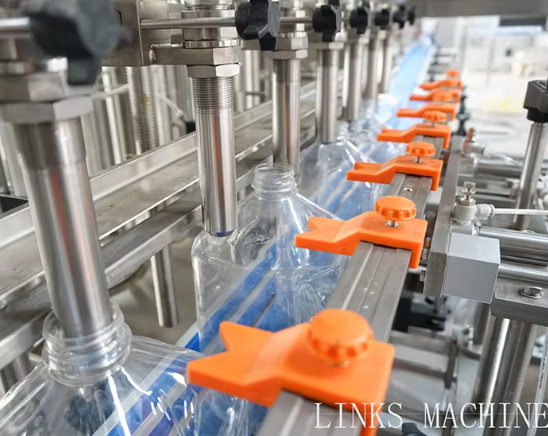
AI and Industry 4.0 Integration in Smart Bottle Filling Machines
How AI-Powered Smart Filling Systems Optimize Performance
AI has really transformed how modern bottle filling machines work these days. These smart systems can tweak their performance as they go along, which makes them much better than what humans could manage manually. According to the Packaging Trends Report from 2023, machine learning actually cuts down error rates by almost all of it - about 98% less mistakes compared to when people had to do everything themselves. What happens is pretty cool too. The machines figure out exactly how fast to move those nozzles and control the flow depending on what kind of containers are being filled and what type of liquid goes inside. This means less wasted product and still keeping things moving at around 1,200 bottles every single hour without breaking a sweat.
Real-Time Monitoring and Predictive Maintenance in Fillers
IoT sensors built right into equipment let manufacturers keep an eye on tiny changes all day every day, catching things like slight temperature fluctuations or problems with seals before they become big issues. The smart maintenance systems analyze how machines vibrate and track when motors start showing signs of wear. According to a recent study from Industrial Automation Journal (2024), this approach cuts down unexpected shutdowns by about half in pharma manufacturing plants. Best part? Companies can plan repairs when production naturally slows down, which means their machinery lasts roughly three extra years on average. That's a real cost saver over time.
Case Study: Automated and Electronic Bottle Filling Machines in Beverage Production
One major drinks company recently installed AI filled machines that come with built-in vision tech, getting fill levels consistent at around 99.97% for everything from those small 12 ounce bottles all the way up to big 2 liter containers. These smart machines can calibrate themselves automatically, which cut down on time needed when switching between different products by nearly two thirds. Plus they use these efficient servo motors that save about 22 kilowatt hours every production run. The real game changer though was how their quality checks worked in real time. Within just twelve months after installation, there were way fewer problems with bad batches going out the door actually saw a massive 91 percent decrease in recalls. This shows just how much difference Industry 4.0 technologies can make for companies doing bottling operations at scale.
Ensuring Quality Control and Safety Standards in Bottle Filling Operations
Ensuring Hygiene and Safety in Food Packaging with Advanced Fillers
Modern bottle filling equipment incorporates antimicrobial coatings on surfaces and features sealed system designs that cut down contamination problems by around two thirds when compared with older models according to research published in Food Safety Journal last year. The contact areas are made from stainless steel and work alongside automatic cleaning systems which help meet those strict FDA requirements as well as EU standard 10-D for food safety. These machines also run pressurized rinsing during production runs to stop any mix ups between different product batches. At the same time, special infrared technology checks how good the seals are forming at intervals of just over half a second. This kind of attention to detail matters a lot in industries where even tiny amounts of contamination can be dangerous, such as milk processing plants or facilities making medicines.
Quality Control in Filling Operations: From Detection to Correction
Modern filling systems now use advanced inspection setups with laser volume scanners and artificial intelligence for visual checks, hitting around 99.7% accuracy in spotting defects according to Packaging Technology Review from last year. If there's even a small deviation beyond plus or minus 0.5 milliliters, these machines automatically adjust the nozzle pressure or kick off rejection processes, which cuts down waste by about 34% on drink production lines. Operators rely on live dashboards that monitor CpK values to stay within ISO 9001 standards. Companies in the beauty sector have reported saving roughly $280k each year just by maintaining these quality controls as per research from Ponemon Institute back in 2023.
FAQ
What are the key benefits of using automated bottle filling machines?
Automated bottle filling machines significantly enhance accuracy and speed while reducing human error. They integrate IoT and AI technologies to achieve high operational accuracy and minimize product waste.
How does IoT improve the efficiency of modern bottle filling machines?
IoT enables real-time monitoring, predictive maintenance, and dynamic adjustments in bottling lines, which reduces unplanned downtimes and improves productivity.
What is the role of AI in optimizing bottle filling operations?
AI helps in optimizing performance by allowing machines to automatically adjust their operations depending on container type and liquid nature, minimizing human intervention and errors.
How does modern design enhance hygiene in bottle filling equipment?
Modern designs incorporate features like stainless steel components, antimicrobial coatings, and clean-in-place systems to prevent contamination and ensure hygienic operations.
What trends are shaping the future of bottle filling technology?
Trends such as robotic palletizing integration, energy recovery systems, and modular designs are driving the evolution of modern bottling technology, catering to the demand for safe and efficient solutions.
Table of Contents
- Historical Development of Bottle Filling Machines
- Impact of IoT and AI in Modern Bottling Technology
- Case Study: A Leading Manufacturer's Innovation Journey
- Trends Shaping Future Automated Filling Processes
- Hygienic Design and Contamination Prevention in Modern Bottle Filling Machines
- Precision and Accuracy in Filling: Advanced Measurement Systems in Bottle Filling Machines
- AI and Industry 4.0 Integration in Smart Bottle Filling Machines
- How AI-Powered Smart Filling Systems Optimize Performance
- Real-Time Monitoring and Predictive Maintenance in Fillers
- Case Study: Automated and Electronic Bottle Filling Machines in Beverage Production
- Ensuring Quality Control and Safety Standards in Bottle Filling Operations
-
FAQ
- What are the key benefits of using automated bottle filling machines?
- How does IoT improve the efficiency of modern bottle filling machines?
- What is the role of AI in optimizing bottle filling operations?
- How does modern design enhance hygiene in bottle filling equipment?
- What trends are shaping the future of bottle filling technology?