
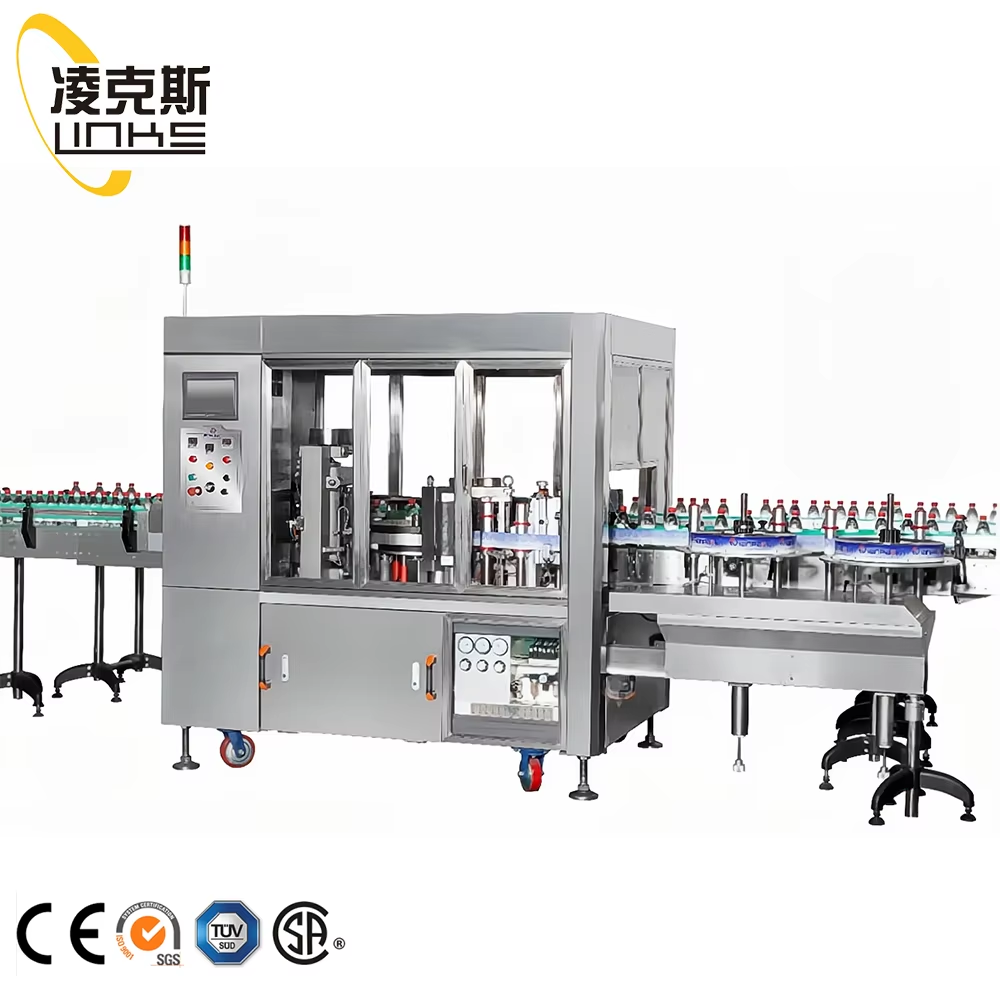
The Strategic Imperative: Why Modern Factories Are Switching to Fully Automatic Labeling Machines
Modern factories face intensifying pressure to boost throughput while eliminating errors. Manual labeling creates bottlenecks that erode production efficiency—human error rates reach up to 5% in high-volume environments, triggering costly rework, compliance violations, and brand damage. Fully automatic labeling machines virtually eliminate these risks through precision application, achieving near-zero defect rates and accelerating line speeds by 25–40% compared to manual methods. This throughput gain addresses capacity constraints without expanding floor space or headcount.
Beyond error reduction, automation delivers transformative resource optimization. Self-calibrating tension systems cut material waste by 15–30%, while vision-guided placement adapts instantly to container variations—eliminating changeover downtime. These efficiencies convert labeling from a cost center into a strategic asset. Workforce benefits compound the gains: technicians shift from repetitive tasks to quality oversight and process improvement. As global supply chains demand perfect compliance and faster turnaround, the labeling machine has become a critical lever for competitiveness. Forward-thinking manufacturers report ROI in 12–18 months through scrap reduction, labor savings, and prevented recall expenses—making automation essential for scalable, sustainable growth.
| Benefit Category | Impact Range | Operational Outcome |
|---|---|---|
| Error Reduction | 95–99% defect elimination | Near-zero recall risk |
| Throughput Gain | 25–40% speed increase | Capacity expansion without capital expenditure |
| Material Savings | 15–30% waste reduction | Direct cost reduction & sustainability compliance |
What Makes a Labeling Machine 'Fully Automatic'? Core Technical Capabilities Explained
Seamless Industrial Integration with PLCs and MES via OPC UA
Fully automatic labeling machines achieve true autonomy through direct communication with factory control systems. Using OPC UA (Open Platform Communications Unified Architecture), they integrate with Programmable Logic Controllers (PLCs) and Manufacturing Execution Systems (MES) to synchronize labeling parameters with real-time production data. When a PLC signals a product changeover, the machine automatically adjusts label profiles—eliminating manual configuration. This interoperability reduces setup errors by 92% compared to semi-automatic systems, while standardized protocol support ensures cross-brand compatibility and plug-and-play installation.
Vision-Guided Precision Placement Across Diverse Container Types
Advanced machine vision enables sub-millimeter label accuracy on containers ranging from cylindrical bottles to irregularly shaped packages. High-resolution cameras capture position and orientation at speeds exceeding 600 units/minute, dynamically adjusting applicator heads to compensate for conveyor vibrations or orientation variances. This maintains 99.8% placement accuracy across glass, plastic, and metal surfaces—reducing label waste by 40% and enabling rapid changeovers without mechanical adjustments.
Self-Calibrating Tension & Feed Control for Zero Waste at High Speed
Intelligent feedback mechanisms continuously monitor label roll tension and liner separation forces during high-speed operation. Load cells and optical sensors detect material thickness variations, triggering automatic recalibration to prevent wrinkles, tears, or application failures. At throughputs over 1,000 labels/hour, this closed-loop system reduces material waste by 30% compared to manual tensioning. Predictive algorithms anticipate fluctuations before they cause errors—ensuring uninterrupted runs and saving high-volume operations approximately $740,000 annually in label costs.
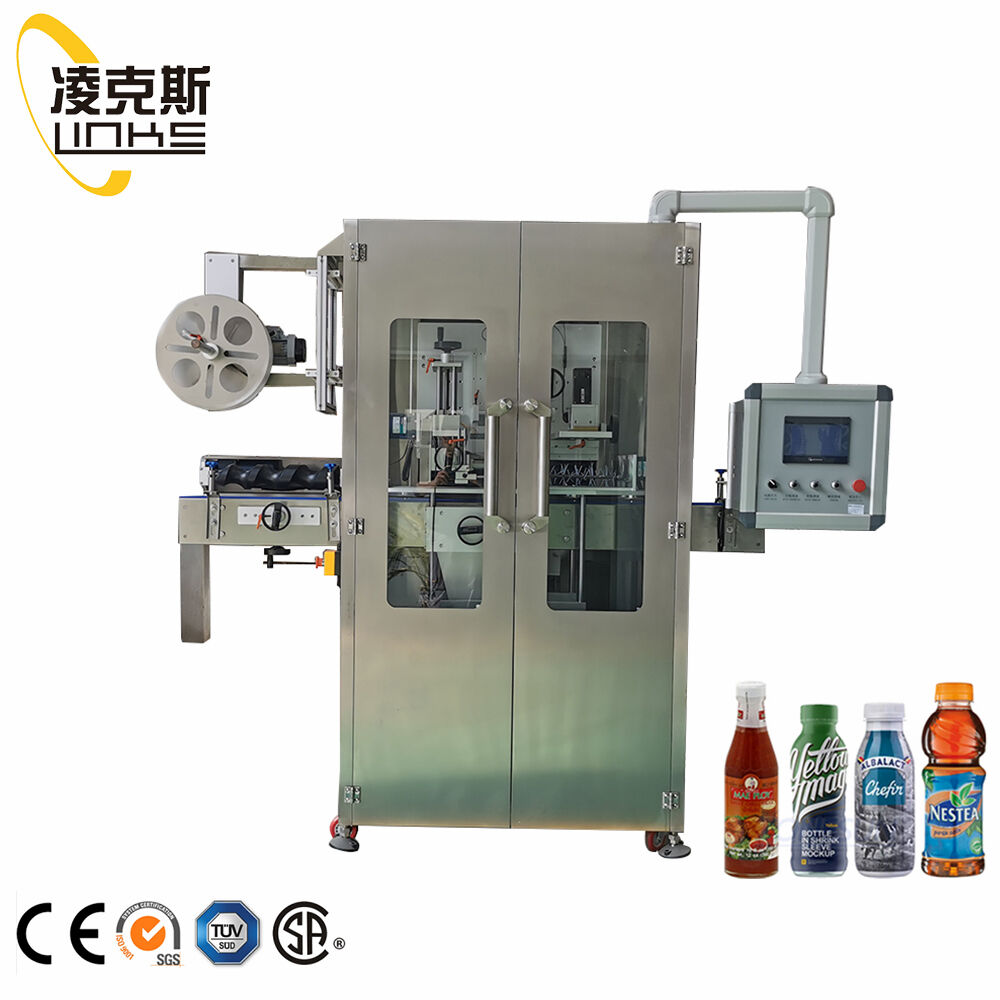
Proven ROI: Real-World Performance Gains from Fully Automatic Labeling Machines
Manufacturers transitioning to fully automatic labeling machines achieve measurable financial returns through three core performance pillars. First, labor efficiency improves dramatically: automated systems reduce staffing needs by 25–30%, freeing workers for higher-value tasks. Second, production throughput surges—a cosmetics plant doubled annual output to 1 million bottles after automation, reflecting typical 40% efficiency gains. Third, error and waste plummet: precision sensors and real-time controls cut mislabeling incidents by 85%, eliminating costly recalls and material spoilage.
The compound effect is faster ROI than semi-automatic alternatives, with most facilities recovering costs in 12–18 months. One detailed analysis modeled 60–70% first-year returns through combined labor savings and throughput gains. Beyond immediate payback, long-term value emerges through reduced training expenses, lower rework rates, and extended equipment lifespan. Sustainability-linked benefits—like 30% less label material waste—further amplify returns under emerging ESG frameworks.