
Juice Filling Machine: How Energy-Efficient Design Cuts Power Use Without Sacrificing Performance
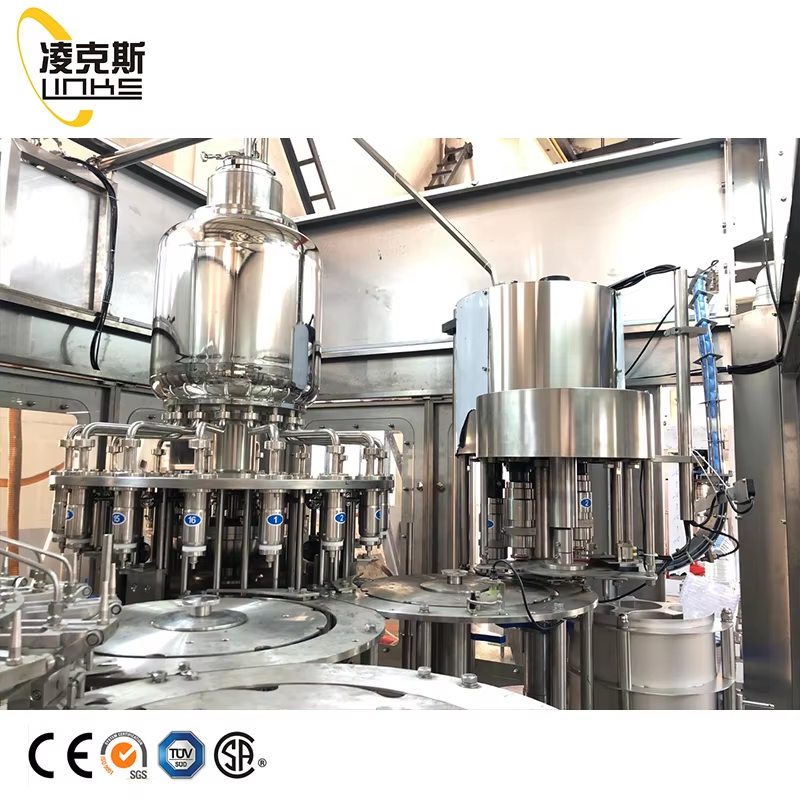
High-efficiency motors and variable speed drives (VSDs) in modern juice filling machines
The latest juice filling equipment now comes equipped with IE4 rated permanent magnet motors certified under international efficiency standards. These motors actually use around 30% less energy compared to older IE2 versions on the market today. When combined with variable speed drives or VSDs for short, these motors can adjust their power output based on what the production line needs at any given moment. This means no more running machines at full blast when there's nothing to process. Traditional setups just keep going at maximum speed all day long, but VSD technology changes that game completely. During times when the line isn't busy, during partial runs, or while starting up and shutting down operations, the VSDs will automatically slow down both motor speed and torque. The result? Lower peak electricity demands, smoother overall electrical usage patterns across shifts, and an impressive reduction of up to 28% in kilowatt hour consumption per individual bottle produced. And guess what? None of this affects how accurately bottles get filled or compromises the reliability of the entire production line either.
Lifecycle energy analysis and ROI: Quantifying sustainability gains over 5 years
Lower heat generation from high-efficiency motors extends bearing and seal life, reducing component replacement costs by 22% annually. When combined with utility incentives for ENERGY STAR–qualified industrial equipment, most operators recoup the initial investment within 18–24 months—after which annual savings accrue as pure operational profit.
Precision Filling Technology That Reduces Juice Waste by Up to 40%
Closed-loop sensor systems for ±0.2% fill accuracy—eliminating overfill and drip loss
Modern juice filling systems hit around 0.2% accuracy in volume measurements thanks to their closed loop sensor setups that keep tabs on things like viscosity changes, temperature shifts, foam development, and actual fill levels throughout the process. These machines now use capacitive sensors along with laser guidance instead of relying on old school manual calibrations. The tech automatically adjusts for all those tricky juice characteristics such as pulp settling issues or how liquids expand when heated. Getting this right stops two big problems: overfilling which has been known to waste about 2.8% of what gets produced, and underfilling that creates legal headaches for producers. Plus there's another neat feature where vacuum assistance pulls back the nozzles just before they touch containers, so nothing drips out afterwards. A recent study published in Food Processing Journal found these advanced systems typically recoup around $85k worth of product each year across individual production lines.
Real-time correction algorithms and servo-controlled nozzles in high-speed juice filling machines
Modern high speed juice filling machines can handle around 16,000 bottles each hour with an impressive accuracy rate of plus or minus 0.2%. This precision comes from advanced servo driven nozzles that work with smart correction algorithms. These clever systems analyze data from 200 sensors every single second. When containers vibrate, when pulp settles in orange juice, or when there are changes in carbonation levels for sparkling drinks, the system makes adjustments in just 0.03 seconds without affecting production speed at all. The servo motors behind this tech can control tiny dispensing amounts as small as 0.1 ml, which really helps prevent messy splashbacks whenever the machine speeds up or slows down. Manufacturers see significant benefits too. Switching between different products results in 78% less waste compared to older mechanical valve systems. Looking at the bigger picture over five years, these machines cut juice waste by as much as 40%, making them both economically and environmentally smart choices for beverage producers.
Scalable Output Optimization: From 8,000 to 16,000 BPH with Zero Downtime
Juice filling machines designed with modular components can scale production from around 8,000 to 16,000 bottles each hour without stopping operations entirely. These systems come equipped with buffer conveyors, standard tooling that changes quickly, and control systems that adapt on their own. All these features work together so factories can adjust how much they produce while still running, which saves money. Before this technology existed, plants lost about $57,600 every day because of planned shutdowns according to industry reports from last year. When demand spikes seasonally or when launching new products, these machines prevent wasted product, reduce material losses, and help meet delivery deadlines consistently. What makes them even better is that they stay efficient no matter what volume they're handling. Old style equipment used to consume way too much electricity whenever it restarted after being off, but modern modular setups keep motors working at optimal levels through variable speed drives. So companies get both scalability and environmental benefits at the same time.
FAQ
How do high-efficiency motors and VSDs save energy?
High-efficiency motors and variable speed drives adjust power output to match production needs, reducing energy use by up to 28% compared to older systems.
What is the ROI for an energy-optimized juice filling system?
Most facilities recoup their initial investment in 18-24 months through energy savings and utility incentives, with ongoing savings adding to operational profits.
How accurate are modern juice filling systems?
Modern systems achieve a fill accuracy of ±0.2%, significantly reducing overfill and drip loss.
Can juice filling machines upscale production without downtime?
Yes, modular components allow production scale-up from 8,000 to 16,000 bottles per hour without stopping, minimizing downtime costs.