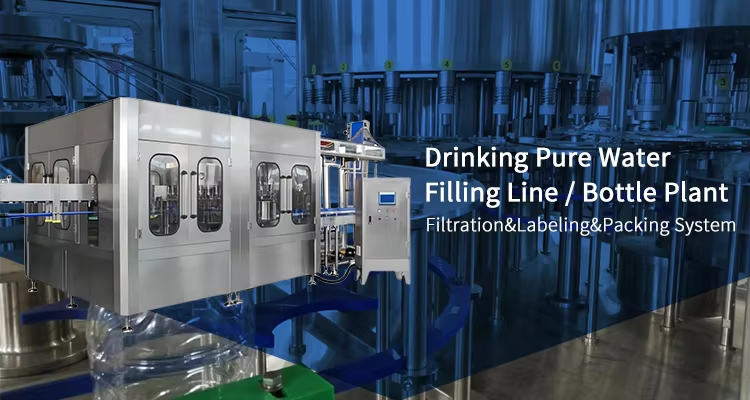
Automatic Water Filling Machines: Superior Hygiene and Regulatory Compliance
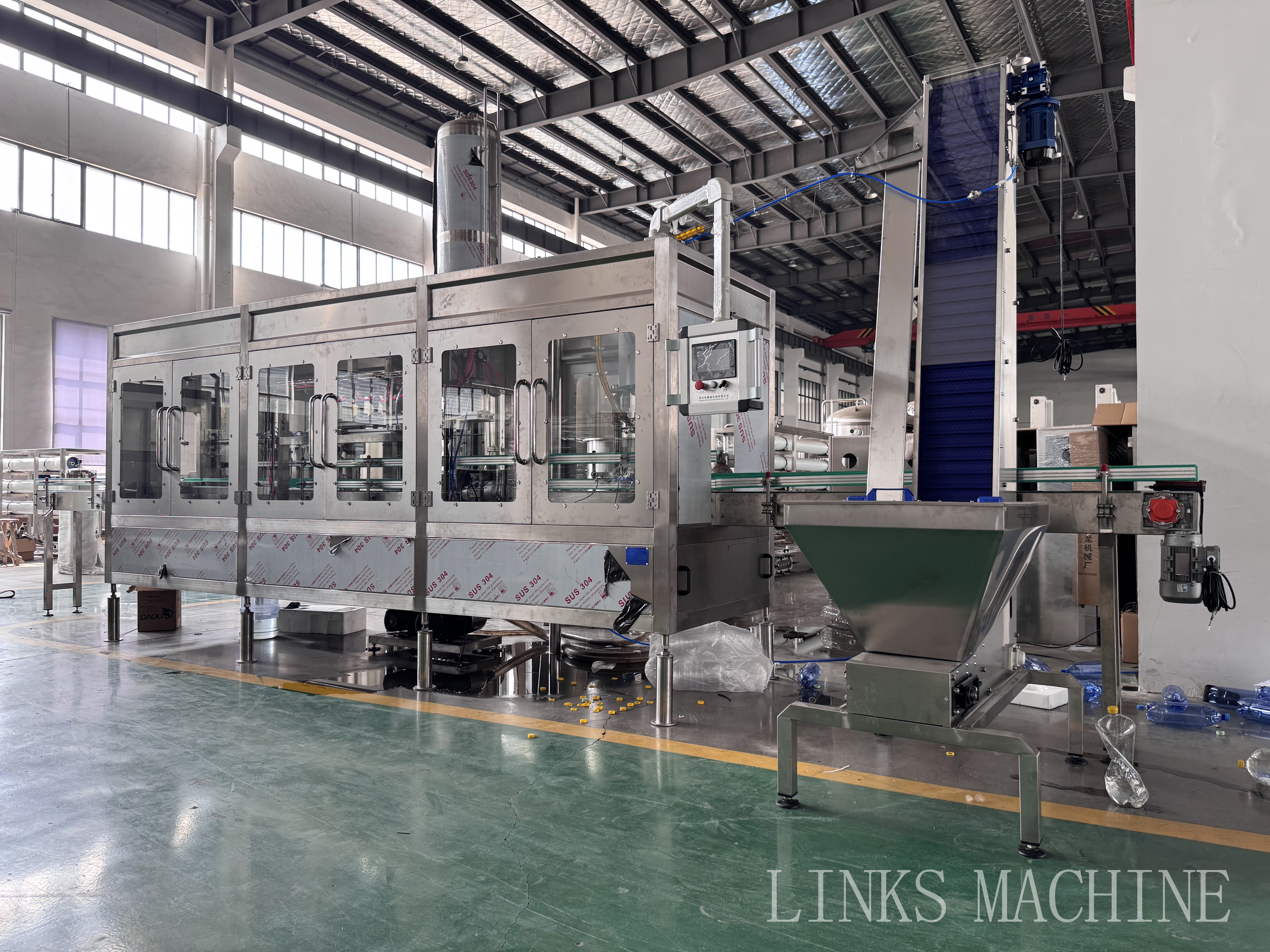
Enclosed Automation Eliminates Human Contact and Microbial Risk
Automatic water filling machines work by creating a completely sealed environment where bottles stay away from human hands during the whole filling operation. The main problem in most bottling plants comes down to people touching things manually. Research indicates that when humans get involved, there's about an 85% higher chance of getting microbes into the product compared to what happens on fully automated systems. These machines cut out all those contact points so nothing bad like germs, dust particles, or other contaminants can mess with the quality of the water inside. Some of the better models actually use special stainless steel that fights off bacteria growth and have these fancy HEPA filters at the entrances which clean the air before it gets anywhere near the bottles. What this means in practice is that companies end up with water products that meet both FSMA and FDA requirements for safe drinking liquids something that matters a lot these days since consumers are paying much closer attention to how clean their tap water really is.
Water-Specific Filling Methods: Gravity, Overflow, and Sterile Validation (ISO 22000)
Choosing the right filling tech makes all the difference when it comes to keeping things clean in water processing. Gravity fill works great for still water products because it transfers liquids gently without splashing around, which cuts down on air getting mixed in while still hitting about half a percent accuracy on volumes. When dealing with carbonated drinks though, most folks turn to overflow filling since it creates a nice liquid barrier that keeps those precious bubbles intact and stops unwanted oxygen from sneaking in. What's interesting is how both approaches work well with Clean-in-Place systems these days. These setups can clean nozzles and storage tanks automatically between production runs without anyone having to take anything apart manually. And let's not forget about compliance requirements either. Machines certified under ISO 22000 standards go through serious checks including swab tests for microbes and particle count measurements just to prove they're running sterile enough. Exporters heading toward places like Europe or Canada really need this paperwork sorted out now because stats show roughly 9 out of 10 rejected beverage shipments there come down to poor sanitation documentation issues.
Precision Filling Accuracy Across Bottle Variants
Tight Tolerance Control: ±0.3 mL at High Speed (40,000 BPH)
Today's automatic water filling machines can hit remarkable accuracy levels with only about 0.3 mL variation when running at speeds up to 40 thousand bottles an hour. The tight control means no wasted product either. Just think, if a machine gives away even 1% extra, that adds up to around forty grand lost every year on each production line according to Food Engineering from last year. Newer systems have cracked the old problem where faster speeds meant lower accuracy by using multiple filling stations working together plus smart pressure adjustments powered by artificial intelligence. Each bottle gets checked as it goes along thanks to real time weight sensors, and special software keeps tweaking things whenever the liquid gets thicker or thinner during operation. All these improvements keep error rates below 0.6%, which helps maintain consistent quality for brands and meets all the necessary regulations, all while keeping production numbers high enough to meet demand.
Technology Matching: Selecting the Right Fill Method for Shape, Volume, and Material
Optimal precision requires matching technology to container specifications:
- Overflow filling (±0.5% tolerance) suits clear water bottles, ensuring consistent fill levels through passive liquid displacement
- Volumetric piston systems (±0.25% tolerance) handle irregular shapes using positive displacement cylinders
- Gravity-based methods work best for standard cylindrical containers at lower precision tiers
Material properties dictate sealing mechanisms–PET bottles need gentle nozzle designs to prevent deformation, while glass requires higher stability controls. Proper selection reduces waste by 18% and accommodates quick changeovers between SKUs.
Maximized Production Efficiency and Minimal Waste
99.2% Fill Yield and Real-Time Leak/Level Detection
Water bottling systems that use automation bring about remarkable improvements in efficiency through reduced waste and increased production speed. Modern equipment can hit around 99.2% fill rates according to industry standards from 2024, which cuts down on product losses when compared to what happens during manual filling operations. These systems have built-in sensors that check each bottle constantly for tiny leaks and make sure they're filled properly. When something looks off, the machine simply tosses those bottles aside before they even reach packaging. This two step process helps avoid expensive recall situations while keeping quality consistent throughout entire batches. Getting rid of mistakes made by humans during measurements means factories can produce more units without spending extra on materials. Mid sized plants often find themselves saving between 5 to 7 percent on their budgets after switching, money that used to go toward fixing spills and redoing work. Plus, these automated lines need about thirty percent less water for cleaning compared to older semi automatic setups.
Strong ROI and Long-Term Cost Efficiency
Labor Savings, Reduced Downtime, and 14–18-Month Payback for Mid-Volume Lines
Automatic water filling machines bring serious money savings to operations because they work so much more efficiently than manual methods. When companies switch over, labor expenses can drop anywhere from half to almost three quarters since there's no need for people to fill containers by hand anymore. Plus, the built-in diagnostic features cut down on equipment downtime by around 45%, thanks to early warning signals about potential problems. Take a typical bottling line that handles between 15k and 30k bottles each hour. With all these improvements, most businesses see their investment paid back in just 14 to maybe 18 months. The energy bill also takes a hit, going down roughly 30% because of better pumps and shorter conveyor belt running times. All these factors combined make automation a really good return on investment proposition. Mid sized producers usually get their money back within about 18 months and then enjoy ongoing cost benefits that keep stacking up month after month.
FAQ
How does automated water filling improve hygiene?
Automated water filling creates a sealed environment that minimizes human contact and reduces microbial risk, using stainless steel and HEPA filters to maintain cleanliness.
What are the benefits of automatic water filling machines for production efficiency?
These machines ensure high fill accuracy and real-time leak detection, achieving up to 99.2% fill yield, reducing waste, and increasing production speeds.
What is the payback period for investing in automatic water filling machines?
For mid-volume lines, companies usually see a payback on their investment within 14 to 18 months due to labor savings, reduced downtime, and energy efficiency.