
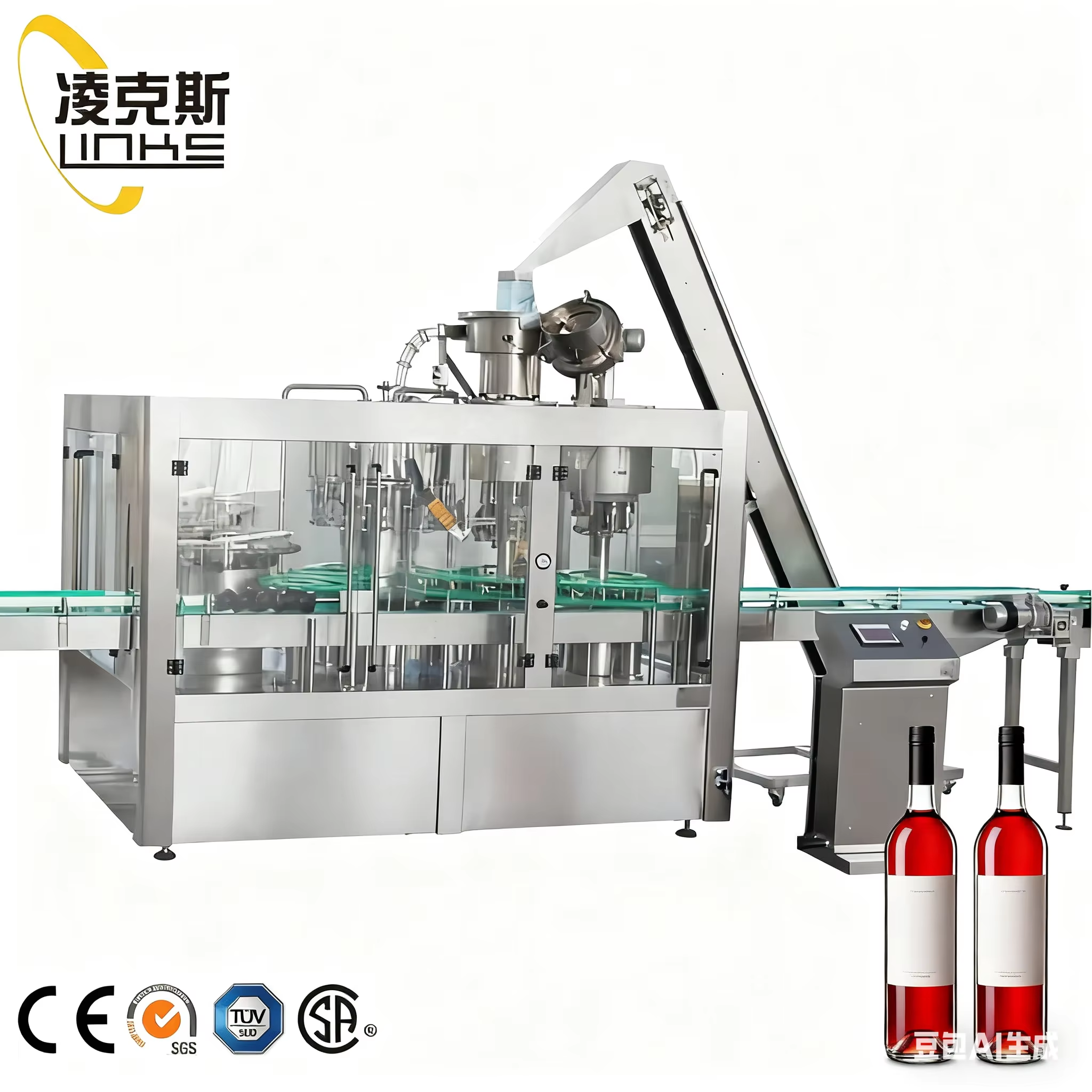
מילוי תחת לחץ נגדי: שימור פחמן וריח הופים
איך מילוי תחת לחץ אחורי ממזער את כמות החמצן המומס במהלך העברת הבירה הפוערת
מילוי תחת לחץ נגדי שומר על איכות הבירה על ידי הזרקת CO₂ לתוך הבקבוקים לפני העברת הנוזל, מה שיוצר סביבה חסרת חמצן המונעת חמצון ואובדן ריח הופים. המערכת המוגנת מאוזנת את הלחץ בין הטנק והכלי, מה שמאפשר זרימה חלקה ולא טורבולנטית. מסעדות בירה המשתמשות בשיטה זו מצליחות באופן עקבי להשיג רמות חמצן מומס (DO) מתחת ל-50 ppb — הרבה מתחת לסף של 100 ppb, אשר מעליו קצב התהליך המגרין עולה ב-300% (ASBC, שיטות ניתוח , 2023). על ידי שימור שלמות הפיחות לאורך תהליך המילוי, מערכות אלו מבטאות יציבות טעם מהייצור ועד לצריכה.
אשכולות ניהול הלחץ לשמירה על CO₂ ומונע אובדן צהובים במרחבים קטנים
שליטה מדויקת בלחץ היא חיונית לפעולות בקנה מידה קטן, שבהן חוסר עקביות גורם לבזבוז מוצר. המפעילים מסתמכים על שלוש טקטיקות מוכחות:
- סיווג לחץ הדרגתי : הפחתת CO₂ בצעדים של 0.2 בר מונעת הצתה אלימה של צהובים
- מילוי מלמטה למעלה : הכנסת הבירה מלמטה למעלה ממזערת את ההפרעה ואת פליטת ה-CO₂
- כיול שיעור זרימה : התאמה לפי כבדות סגולה ספציפית מבטאת שמירה יציבה על רמת הפיחות
ביחד, טקטיקות אלו מספקות שמירה על 98% מהפיחות בקבוקים בנפח 22 אונקיות, ודיוק במילוי של ±0.5%. עבור בירות חמוצות או בירות בעלות תוכן אלכוהול גבוה (ABV) — שבהן הצמיגות דורשת מילוי איטי יותר — פרופילים מתוכנתים של לחץ מתאמים באופן דינמי מבלי לפגוע בקצב הייצור.
טכנולוגיות בקרת החמצן במכונות מילוי בירה מודרניות
הסרת אוויר מראש, מילוי באזוט, ותהליך 'פובינג' — יעילות בהשגת ריכוז חמצן נמס <50 ppb
מכונות מילוי בירה מודרניות משולבות שלוש טכנולוגיות לשליטה בחמצן שמשלימות אחת את השנייה כדי להשיג באופן מהימן רמת חמצן נמוכה מ-50 ppb (חלקיקי חמצן למיליארד):
- השעיה מקדימה , אשר מסירה את האוויר הסביבתי מהבקבוקים לפני המילוי
- שטיפת חנקן , המחליפה את החמצן הנותר בגז אינרטי
- יצירת קצף , שיוצרת מחסום קצף שדוחה את האוויר במרחב העליון במהלך סגירת הבקבוק
כאשר הטכניקות הללו מסונכרנות, הן מדכאות תרכובות חמצון כגון טרנס -2-נוננל לרמות שלא ניתן לגבותן. מחקרים מאשרים שהשימוש המשולב בהן מפחית את התספוג הנגרם על ידי חמצן עד 60% בהשוואה למערכות שאינן עוברות שטיפה — ויחידות אוטומטיות עתידיות כבר משלבות אותן עם משוב בזמן אמת מסנсорים לביצוע עקבי בכל סוגי הפקקים: בקבוקים, פחים וחביתות.
מבחני ביצועים בעולם האמיתי של רמות חמצן מסולב (DO): מילוי בירה אוטומטי-חלקית לעומת מכונות מילוי אינליין ב-12 סדנאות ייצור בירה
נתוני שדה מ-12 סדנאות ייצור בירה מראים כי מכונות המילוי האינליין מ logות באופן עקבי רמות חמצן מסולב (DO) נמוכות מ-40 ppb, הודות למסלולי העברה סגורים ולמחזורי פירוק אוטומטיים. היחידות האוטומטיות-חלقيות הציגו ממוצע של 65 ppb (טווח: 50–120 ppb), כאשר התוצאות תלויות במידה רבה בטכניקת הפעלה של האופרטור. הגורמים העיקריים להחדרת חמצן משתנים בהתאם לעיצוב:
| סוג מכונה | ממוצע של רמות חמצן מסולב (DO) | מקור החמצן העיקרי |
|---|---|---|
| בשורה | <40 ppb | תקלות באיטמיות החיבורים |
| רכב רכב | 65 ppb | חשיפה עקב טיפול ידני |
מכונות מילוי אינליין עם מערכת סגורה הפחיתו את ההחדרה של חמצן ב-80% לעומת דגמי המילוי האוטומטי-חלקיים במהלך העברת הבקבוקים. סדנאות ייצור בירה שעדכנו למערכות אינליין עם פירוק חנקן משולב הרחיבו את תקופת הטריות של סגנונות בירה בעלי דגש על הקטניות (הופ) בארבעה שבועות.
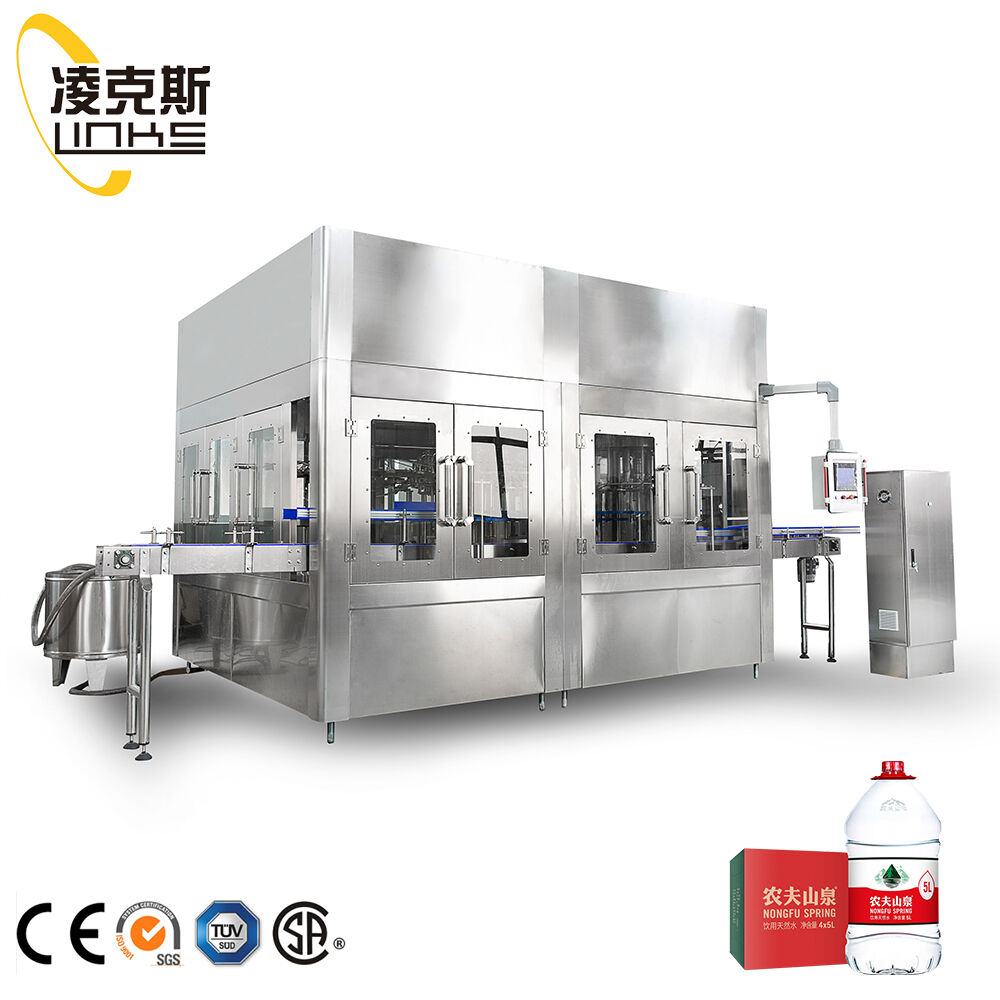
עיצוב היגייני ואיטמיות החיבורים לאיכות בירה עקבייה
תאימות ל-CIP ומדעי החומרים: פלדת אל חלד 316L לעומת פולימרים ברמת FDA בשסתומים של מכונות מילוי בירה
חומר השסתום משפיע ישירות על ההיגיינה, אורך החיים ודילול החמצן. פלדת אל-חלד 316L מספקת עמידות מעולה בפני קורוזיה כנגד בירה חומצית וכימיקלים אגרסיביים של CIP כמו סודה קאוסטית, תוך שמירה על שלמות פני השטח לאורך אלפי מחזורי חיטוי. המבנה הלא-נקבובי שלה מעכב היווצרות ביופילם ומבטל התפוררות טעם. פולימרים בדרגת FDA מציעים גמישות ובידוד תרמי חסכוניים אך נוטים לסדקים מיקרוסקופיים תחת עיקור חוזר ונשנה בטמפרטורה גבוהה. שני החומרים חייבים לעמוד בתקן חספוס פני השטח של <0.8 מיקרומטר Ra כדי למנוע הידבקות מיקרוביאלית - ולשמור על אטמים אטומים לדליפות המגבילים את חדירת החמצן ל-<10 ppb, דרישה לשימור תרכובות כשות נדיפות ולמניעת טעמי לוואי מעופשים.
בחירת מכונת מילוי בירה מתאימה לצרכים של מיקרו-בירה
איזון דיוק (±0.5%), גמישות אצווה ושימור CO₂ במילוי בקבוקים של 22 אונקיות
breweries ידניות זקוקות לציוד מילוי שמספק במקביל דיוק בנפח המילוי בתוך טווח של ±0.5%, טיפול גמיש בגודלי מטענים, ושימור CO₂ מעל 95% בקבוקים בני 22 אונקיות. מערכות חצי אוטומטיות מתאימות במיוחד למטענים קטנים (50–500 אריזות), ומאפשרות החלפת מהירה בין סוגי קבוקים תוך שמירה על רמת DO מתחת ל-50 ppb באמצעות ניקוז אינטגרלי באזוט. מכונות בשורה תומכות בתפוקה גבוהה יותר (מעל 200 קבוקים/שעה) עם חיישני נפח מודרכים בלייזר שמבטיחים עקביות של ±2 מ״ל. חשוב ביותר, שתיהן דורשות ראש מילוי עם יציבות לחץ כדי למנוע פליטת CO₂ — גורם שאינו ניתן לוותר עליו לצורך שימור הווולטילים של הקינמון וה느ימה בפה. בחירת החומרים — כולל שסתומים מפלדת אלחוט 316L ומחסומים מפולימרים באיכות FDA — מגינה נוספת מפני חדירת חמצן. בתי הזרע שמקדמים גמישות במטענים קטנים משיגים בדרך כלל רמות מיטביות של DO בטווח 30–45 ppb עם מערכות חצי אוטומטיות; מערכות בשורה תומכות בהרחבה, עם רמות DO מעט גבוהות יותר (40–55 ppb) בסביבות תפוקה גבוהה.