
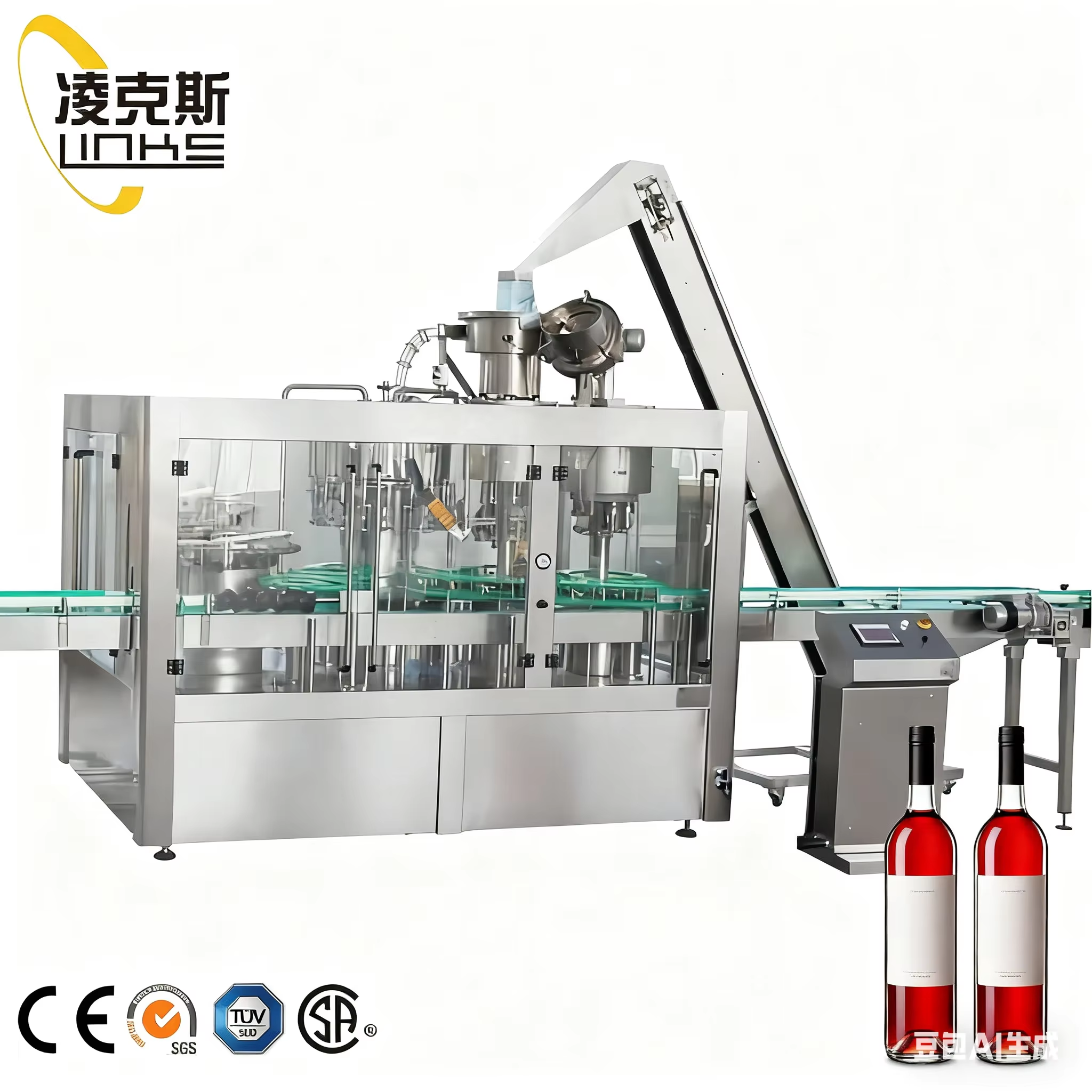
Why Stainless Steel Is the Gold Standard for Soft Drinks Bottling Hygiene
In soft drinks bottling operations, hygiene directly affects product safety and brand reputation. Stainless steel has become the default material for filling lines precisely because it resists bacterial growth and withstands aggressive cleaning routines.
Smooth, seamless surfaces that eliminate microbial harborage in soft drinks bottling lines
Microorganisms thrive in microscopic cracks and uneven surfaces. Stainless steel used in soft drinks bottling machinery is polished to a smooth, non-porous finish—leaving no crevices for bacteria, mold, or biofilm to take hold. This is especially critical where syrup concentrates and carbonated beverages contact equipment. A seamless interior surface also prevents residue accumulation, eliminating potential sources of decomposition and cross-batch spoilage. By removing microbial harborage points, stainless steel reduces reliance on harsh chemical sanitizers and shortens cleaning downtime—directly supporting lower contamination risk and consistent quality across high-speed production runs.
Sanitary-grade AISI 304/316 compliance with NSF-51 and ISO Class 8 cleanroom standards
Not all stainless steel is equal. For soft drinks bottling, manufacturers specify AISI 304 or 316 grades because they meet stringent industry certifications: NSF-51 ensures food-contact safety and prevents leaching of harmful substances, while ISO Class 8 cleanroom compliance guarantees surface finishes and manufacturing controls that limit particulate and microbial contamination. The key distinction lies in molybdenum content—AISI 316’s added molybdenum delivers superior resistance to chlorides from cleaning agents and acidic soft drinks, making it the preferred choice for citric-acid-based or carbonated formulations. Adherence to these standards helps producers pass regulatory audits and maintain compliance without sacrificing line speed or output integrity.
Corrosion Resistance and Long-Term Durability in Soft Drinks Bottling Environments
AISI 316 outperforms 304 in high-acidity, carbonated soft drinks applications
Carbonated soft drinks generate carbonic acid, while flavoring acids like citric and phosphoric further lower pH—creating a corrosive environment that challenges material integrity. Although AISI 304 offers good general corrosion resistance, it is vulnerable to pitting and crevice corrosion when exposed to chlorides (e.g., from sanitizers) or prolonged acidic contact. AISI 316, enhanced with molybdenum, maintains its passive oxide film under combined stressors: low pH, chlorinated cleaners, and elevated temperatures during pasteurization. As a result, it is the recommended grade for tanks, pipes, and valves handling high-acidity formulations—ensuring long-term reliability and minimizing unplanned maintenance.
TCO advantage: 3.2× longer service life vs. aluminum under daily CIP/SIP cycles
Aluminum may offer initial cost savings, but its performance deteriorates rapidly in soft drinks bottling environments due to susceptibility to acidic attack and galvanic corrosion. Daily CIP/SIP cycles—using hot caustic and acidic detergents—accelerate surface degradation, leading to pitting, roughness, and increased microbial retention. In contrast, AISI 316 stainless steel retains surface integrity over thousands of aggressive cleaning cycles. Independent lifecycle assessments confirm that 316 delivers a 3.2× longer service life than aluminum under typical CIP/SIP regimens. When accounting for reduced replacement frequency, fewer production stoppages, and lower maintenance labor, the total cost of ownership (TCO) of 316 becomes significantly lower than aluminum within the first two years—making the upfront investment both operationally prudent and economically justified.
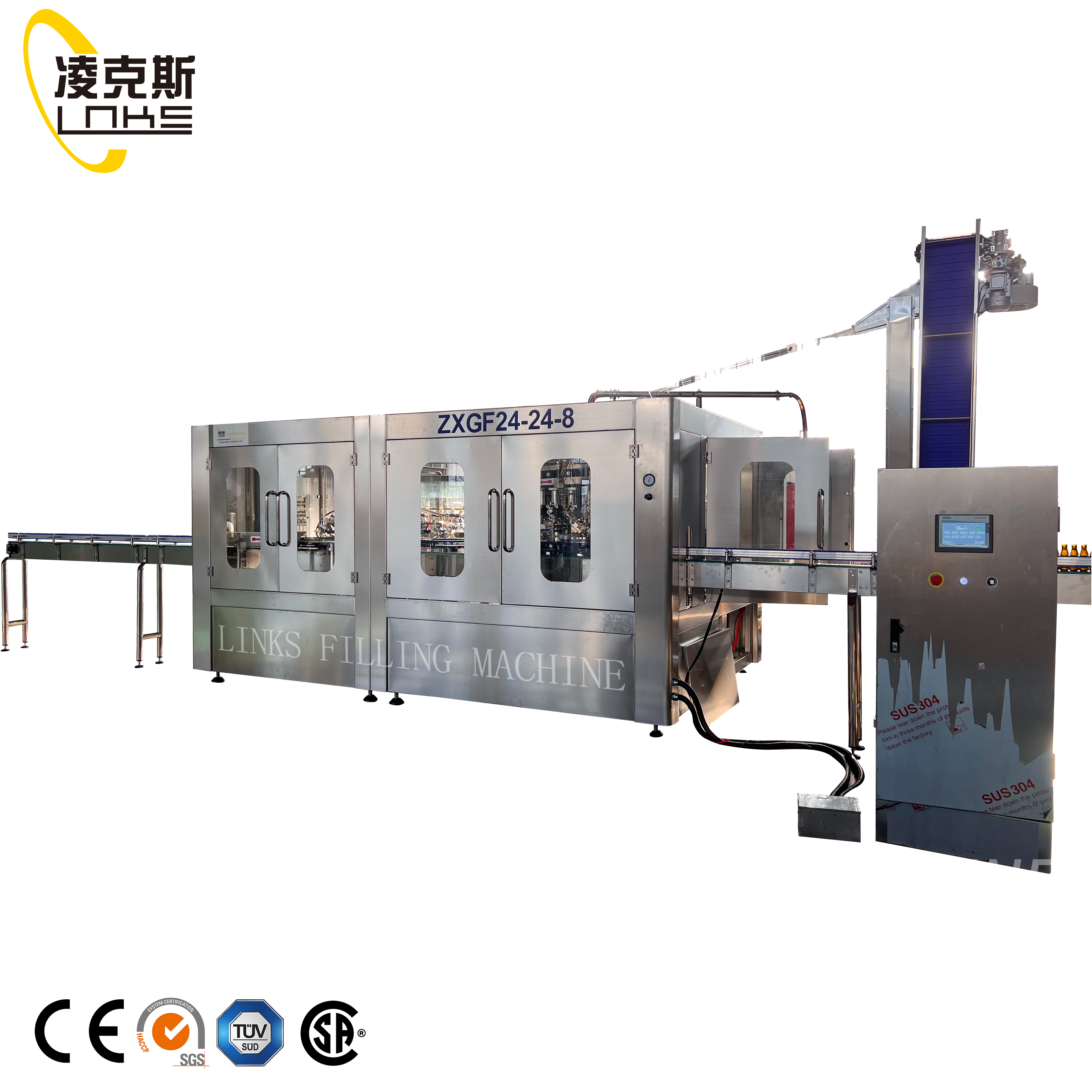
Design Features That Enable Rapid, Reliable Cleaning in Soft Drinks Bottling Machines
Sanitation-first engineering: zero-dead-leg piping, quick-release clamps, and tool-free disassembly
Sanitation isn’t just about material—it’s embedded in design. Three core features define modern soft drinks bottling equipment: zero-dead-leg piping eliminates internal crevices where microbes could accumulate; quick-release clamps allow fluid-path isolation in under 15 seconds; and tool-free disassembly removes opportunities for cross-contamination during cleaning validation. Together, these innovations reduce sanitation downtime by up to 40% compared to legacy systems—and are required by food-grade manufacturing standards to support rigorous daily CIP and SIP protocols.
| Design Feature | Hygiene Impact | Time Savings |
|---|---|---|
| Zero-dead-leg piping | Prevents microbial harborage | 25% faster SIP |
| Quick-release clamps | Enables component isolation in seconds | 30% labor reduction |
| Tool-free disassembly | Eliminates cross-contamination vectors | 50% faster audits |