How a High-Speed Labeling Machine Balances Speed, Precision, and Reliability
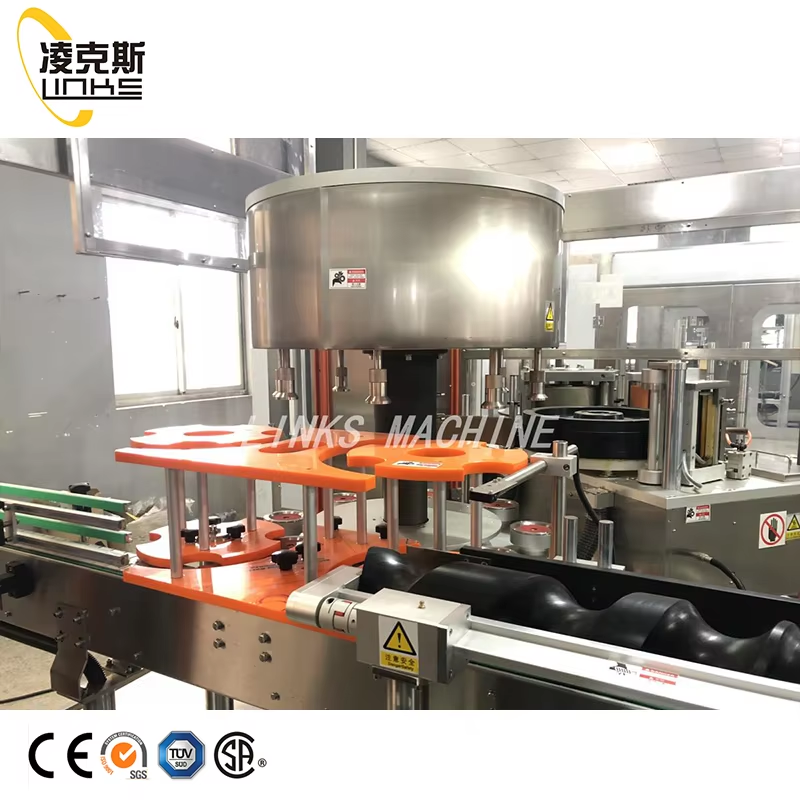
Resolving the Speed–Accuracy Trade-Off with Adaptive Motion Control
The latest generation of labeling machines has cracked the code on those old problems we used to see with traditional systems thanks to their adaptive motion control tech. These smart systems tweak both torque levels and speed as needed, responding instantly to what the sensors tell them. The result? Labels stay within about half a millimeter accuracy spot on, even when running at speeds above 300 bottles each minute. What makes these machines really stand out is how they keep adjusting themselves all the time for things that might throw off regular equipment - think weird shaped containers or those annoying vibrations from conveyors. No more having to choose between going fast or getting it right every single time. For folks making meds or packaged foods, this means almost no labels end up misplaced. And let's face it, nobody wants to deal with recalls that can burn through hundreds of thousands of dollars just because one label got messed up somewhere along the line.
Sub-Millimeter Placement Tolerance: Engineering Consistency at 300+ BPM
Three core technologies enable unprecedented precision at high speeds:
- Vision-guided servo actuators scan container surfaces 100 times per second, making micro-corrections during label application
- Anti-resonance frameworks dampen mechanical oscillations that cause placement drift
- Self-calibrating tensioners maintain exact ribbon pressure across temperature fluctuations
Performance validation across 10,000+ cycles shows consistent process capability indices (Cpk) exceeding 1.33—proving reliability where traditional systems falter. This engineering rigor allows beverage producers to scale operations without sacrificing the 99.98% accuracy demanded by retailers.
Core Technologies Enabling Precision in Modern Labeling Machines
Vision-Guided Servo Systems for Real-Time Label Position Correction
Vision systems integrated into modern production lines can take super sharp pictures at over 500 frames every second, spotting tiny position shifts even when things are moving fast. As soon as a product comes into the area where labels get applied, these smart systems figure out exactly where it is positioned along all three dimensions and move the label into place within just 5 milliseconds. That means labels stay accurate within about half a millimeter, even though the machine is running through 400 items each minute. Instead of relying on old fashioned metal guides that need constant adjusting, this new approach works automatically with containers of all different shapes and sizes, no matter how fast or slow they come along the belt. The results speak for themselves too - manufacturers report nearly flawless performance with defects happening less than twice out of every thousand products across industries ranging from medicine bottles to snack packages and beauty products.
ISO 9001-Certified Process Validation: Cpk ≥1.33 Across 10,000+ Cycles
When it comes to proving how reliable labeling machines really are, manufacturers rely on performance tests that follow ISO 9001 standards. These tests put machines through their paces with over 10,000 consecutive cycles that mimic actual factory conditions. Every 50 cycles, they check where everything is positioned to make sure nothing drifts out of place. The magic number here is a Cpk rating of at least 1.33, which basically means these machines stay within tight engineering specs most of the time - we're talking less than 0.003% chance of something going wrong during normal operations. They also subject equipment to extreme temperatures ranging from minus 5 degrees Celsius all the way up to 45 degrees, plus humidity levels reaching as high as 95% relative humidity. After all this testing, regular audits look at sensor calibrations and maintenance history to confirm that machines keep performing just as well after three years on the plant floor as they did right out of the box.
High-Speed Labeling Machine Integration: Eliminating Packaging Line Bottlenecks
Seamless PLC–MES Synchronization for End-to-End Traceability and Uptime
Today's labeling machines solve many of the old problems with throughput limits because they connect programmable logic controllers or PLCs right into Manufacturing Execution Systems known as MES. The way these systems work together lets information move back and forth in real time between the labeler itself and other equipment nearby like fillers and cappers. This helps avoid those frustrating speed differences that used to bring whole production lines to a halt. When everything works together properly, manufacturers typically see around 92% effectiveness from their equipment. The system automatically changes how labels get applied based on where containers actually end up, thanks to those little industrial IoT sensors watching things closely. Another big plus is that MES integration keeps track of everything related to labeling. It records all the important details like batch numbers and expiration dates with timestamps for regulatory purposes. Plus it helps predict when maintenance might be needed before something breaks down completely. One major drinks company saw remarkable results after implementing this setup. They cut unexpected downtime nearly in half at about 47% reduction and managed to boost their line speed to roughly 450 bottles per minute without needing anyone standing there to manually adjust things.
Proven Productivity Gains: Real-World Impact of High-Speed Labeling Machines
Case Study: 320% Throughput Increase in ASEAN Beverage Packaging Line
A Southeast Asian beverage company recently saw their output jump over three times what it was before they installed a new servo-controlled labeling machine that handles around 300 containers every minute. The real boost came when they stopped making those annoying manual mistakes during labeling and cut down on the time wasted switching between different product runs by almost four fifths. These machines have these super accurate sensors that keep labels perfectly aligned even when everything is moving at breakneck speed, so there's way less waste from messed up packages. What this shows is pretty clear actually - investing in good labeling tech turns what used to be a bottleneck in packaging lines into something that can scale up easily. Manufacturers who upgrade get to take on bigger contracts and stay ahead of those unpredictable shifts in what customers want.
FAQ
What are the main benefits of high-speed labeling machines?
High-speed labeling machines offer benefits such as enhanced speed, precision, and reliability, resulting in sub-millimeter accuracy and significant throughput increase. They also reduce downtime and improve traceability.
How do vision-guided servo systems improve label accuracy?
Vision-guided servo systems scan products in real-time, correct positions within milliseconds, and adapt to container shapes and sizes, maintaining accuracy even at rapid speeds.
What is the significance of anti-resonance frameworks?
Anti-resonance frameworks help dampen mechanical oscillations, ensuring stability and preventing label placement drift on high-speed production lines.
How does MES integration enhance machine performance?
MES integration allows seamless synchronization with other systems, enabling real-time data exchange, traceability of labeled products, and predictive maintenance, improving overall efficiency and uptime.
Table of Contents
- How a High-Speed Labeling Machine Balances Speed, Precision, and Reliability
- Core Technologies Enabling Precision in Modern Labeling Machines
- High-Speed Labeling Machine Integration: Eliminating Packaging Line Bottlenecks
- Proven Productivity Gains: Real-World Impact of High-Speed Labeling Machines
- FAQ